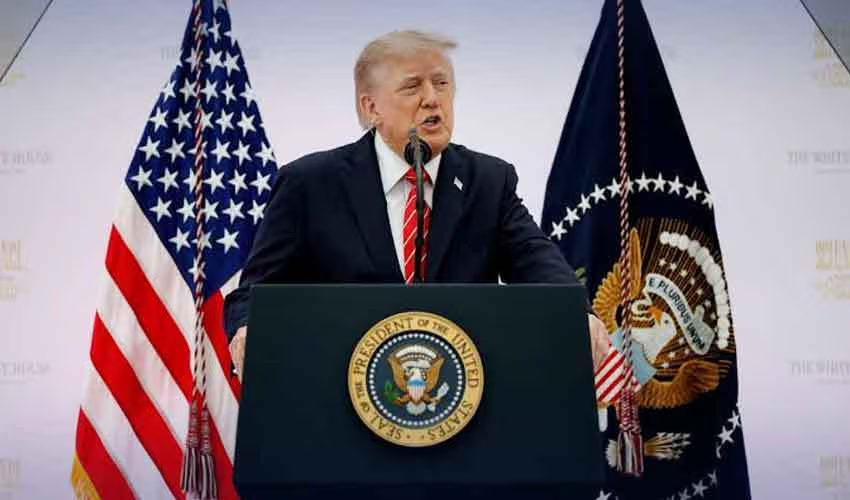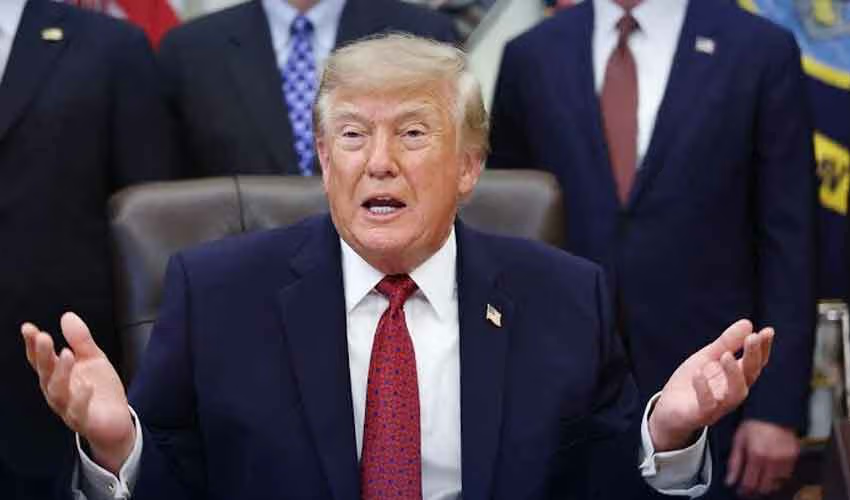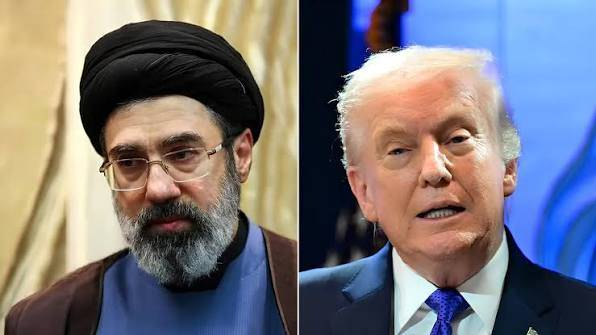
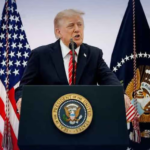
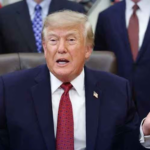
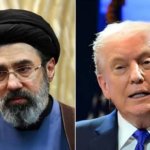
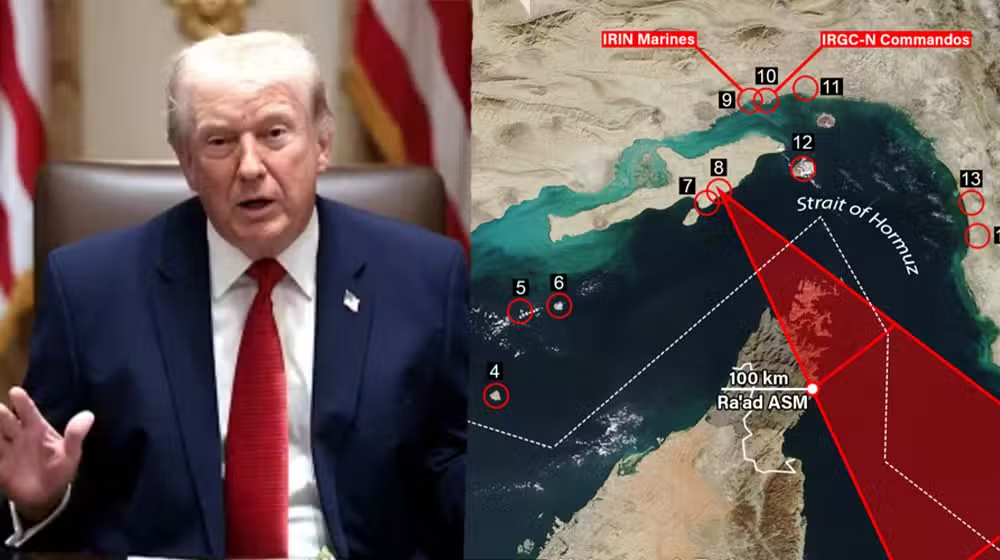
Washington, D.C. – Former US President Donald Trump has reportedly indicated that he would be willing to end military operations in Iran even if the Strait of Hormuz—a critical global oil route—remains closed. Sources cited by The Kobeissi Letter suggest that Trump and his senior aides have reassessed Washington’s strategic priorities in the ongoing Middle East conflict.
Strategic Reevaluation
According to insiders, Trump’s administration concluded that a large-scale mission to reopen the Strait of Hormuz could significantly prolong the war, potentially exceeding the preferred US timeline of four to six weeks. Military planners reportedly argued that attempting to regain control of the waterway would escalate hostilities and increase casualties.
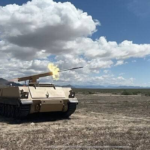
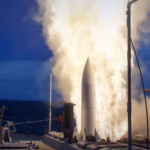
Instead, Trump and his team focused on more achievable objectives, including degrading Iran’s naval capabilities and targeting key missile stockpiles. These operations, according to the report, are intended to weaken Tehran’s military infrastructure while creating conditions for a phased reduction of US-led hostilities.
Military Focus on Iran’s Capabilities
The former president emphasized that the US military campaign aims to disrupt Iran’s ability to project power in the Gulf. By neutralizing missile stockpiles and limiting naval mobility, Washington hopes to reduce threats to allied nations in the region, including Saudi Arabia, Qatar, and the United Arab Emirates.
This approach marks a shift from earlier strategies that prioritized full reopening of the Strait of Hormuz, a vital chokepoint for nearly 20% of global oil shipments. Analysts note that this change could have far-reaching implications for global energy markets and regional security dynamics.
Implications for Middle East Diplomacy
Trump’s stance aligns with his broader messaging about the Middle East, including optimism about expanding the Abraham Accords and reducing Iranian influence across the region. By focusing on targeted military degradation rather than controlling strategic waterways, the former president appears to favor a balance of force and diplomacy to stabilize the Gulf.
Experts suggest that even if the Strait of Hormuz remains closed, a reduction in direct conflict could still improve the US position in negotiations with Tehran. This strategy may also limit escalation risks with other regional powers and reduce potential fallout in global oil markets.
A Pragmatic Endgame
While Trump has not provided detailed timelines or formal policy announcements, insiders indicate that the administration’s priority is achieving key military objectives that allow for a controlled cessation of hostilities. This measured approach reflects a strategic pivot toward minimizing prolonged warfare while maintaining leverage over Iran.