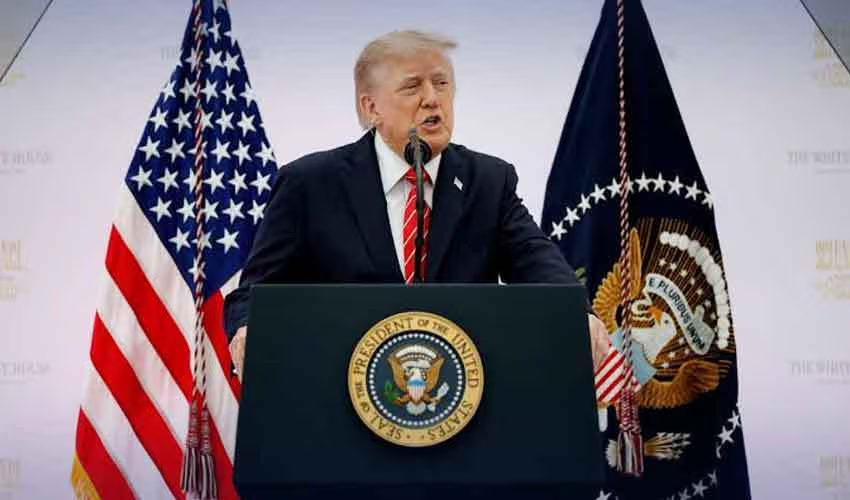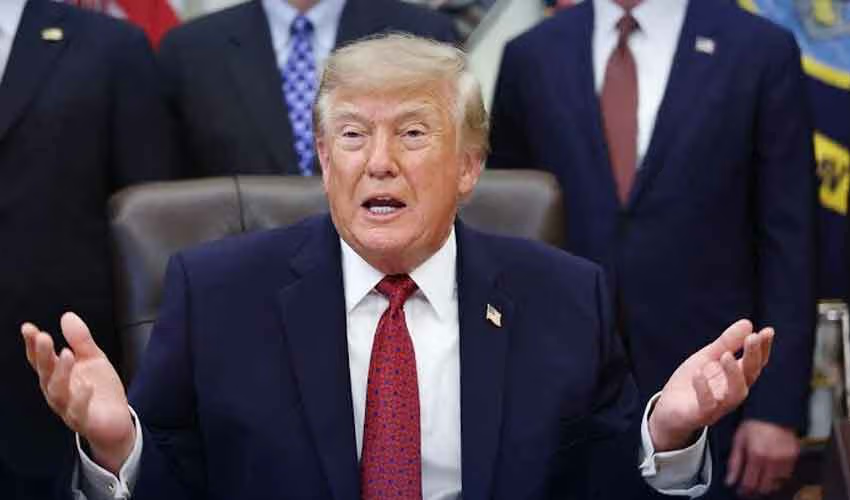
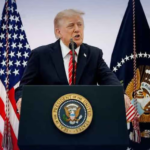
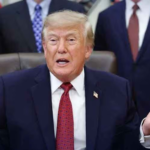
Washington, D.C. – Former US President Donald Trump has publicly suggested that the United States could consider leaving NATO after member countries reportedly refused to support Washington amid the escalating conflict with Iran.
Speaking in an interview with The Telegraph on Wednesday, Trump voiced sharp criticism of the alliance, calling its effectiveness into question. He said the bloc’s failure to back the US in the Middle East crisis underscores longstanding concerns about NATO’s relevance and cohesion.
Trump Criticizes NATO’s Response
Trump highlighted what he sees as a significant lack of decisive action from NATO during the Iran war. “I’ve always had my doubts about NATO,” he said, suggesting that even Russian President Vladimir Putin perceives the alliance as weakened. The former president argued that member nations have failed to meet their obligations, leaving the US to manage regional conflicts largely on its own.
The comments follow a series of Trump’s Middle East statements, including ongoing military operations targeting Iran’s naval and missile capabilities, and his broader warnings about escalating tensions in the Gulf region.
Frustration Over Global Security Commitments
Analysts note that Trump’s remarks reflect frustration over what he perceives as an imbalance in global security responsibilities. By questioning NATO’s support, he raised the possibility of a major shift in US foreign policy, potentially affecting decades of transatlantic cooperation and security arrangements.
Trump has repeatedly emphasized that allies who do not support the US in critical conflicts may face consequences, signaling a hardline approach to international partnerships. This rhetoric comes alongside praise for countries that have supported Washington’s Middle East strategy, including Saudi Arabia, Qatar, Türkiye, and the UAE.
Implications for NATO and Global Diplomacy
A potential US withdrawal from NATO would mark an unprecedented disruption in global alliances. Experts warn that such a move could embolden adversaries, including Russia and Iran, while challenging Europe’s collective defense mechanisms.
Trump’s warning underscores ongoing debates in Washington over the future of US commitments to international alliances. While some view NATO as essential for global security, others, including Trump, argue that the organization must demonstrate tangible support in crises before continuing to rely on American military leadership.
Strategic Leverage in the Iran Conflict
By threatening to leave NATO, Trump appears to be leveraging his influence to encourage stronger alliance support in the ongoing Iran conflict. The move could also signal a shift toward prioritizing direct US military objectives in the Middle East, independent of multilateral cooperation.