

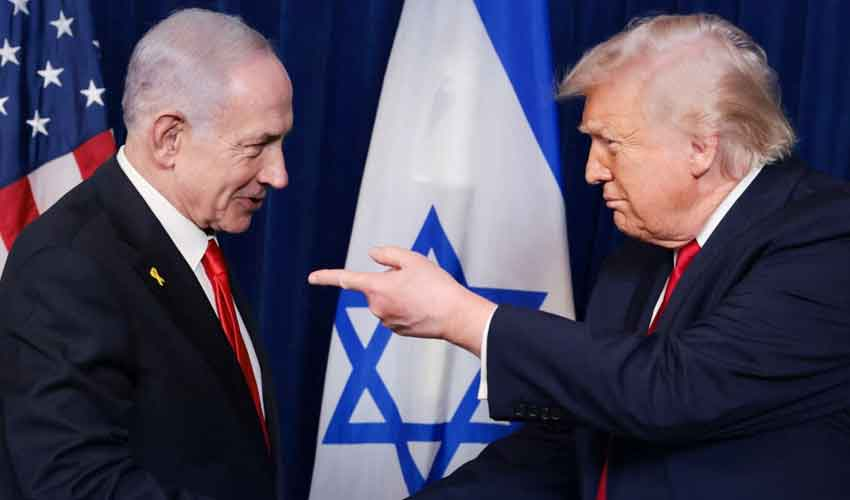
Netanyahu-TTrump Tensions Surface as Iran Peace Talks Face New Roadblock
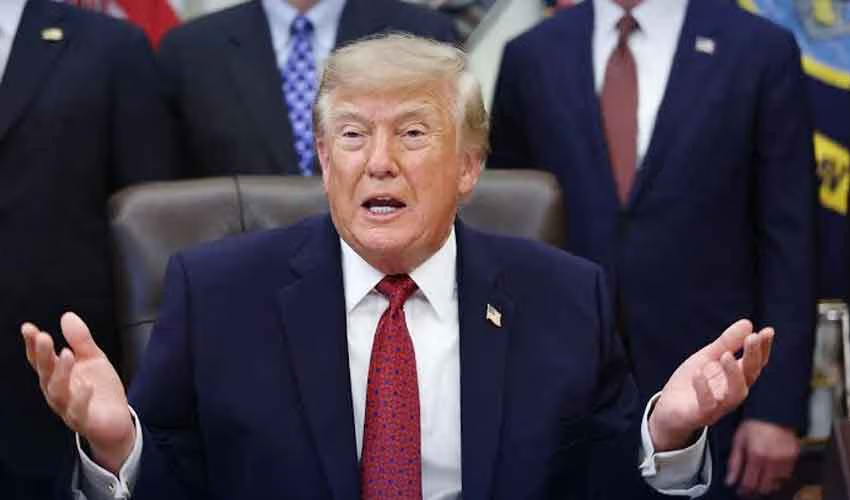
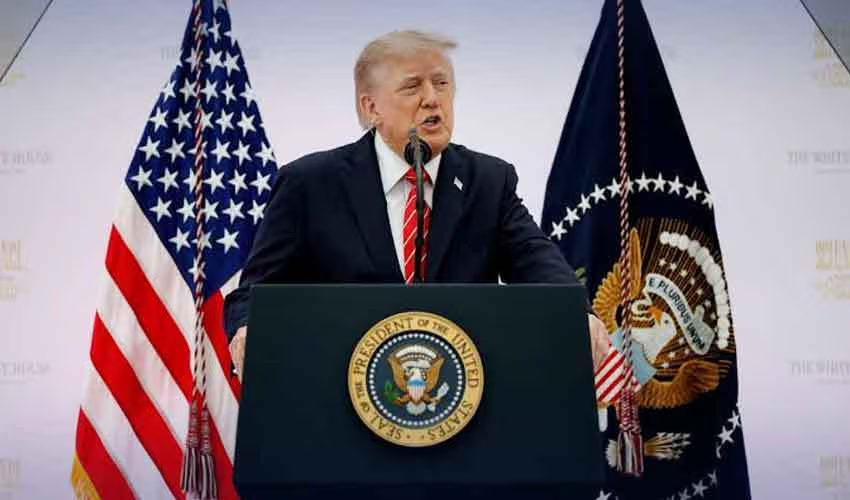
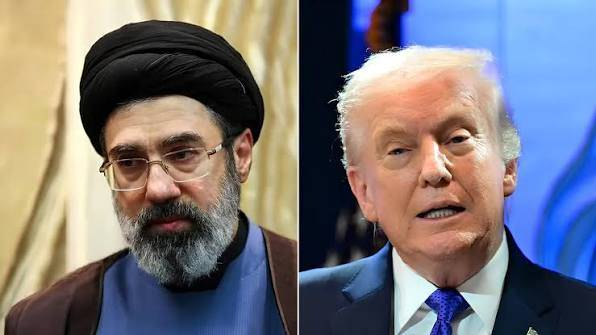
Israeli Prime Minister Benjamin Netanyahu is reportedly emerging as a major obstacle to ongoing peace efforts involving the United States and Iran, following a tense phone conversation with US President Donald Trump, according to a US newspaper report.
The development comes as multiple regional and international actors, including Pakistan and Qatar, continue working on a revised diplomatic framework aimed at reducing tensions and establishing a structured negotiation process between Washington and Tehran.
Pakistan and Qatar Draft New Mediation Framework
According to reports, Pakistan and Qatar have jointly contributed to drafting a new proposal intended to restart formal negotiations between the United States and Iran.
The framework is said to include a structured 30-day negotiation period following the signing of a preliminary draft agreement.
President Trump has reportedly confirmed that intermediary countries are actively involved in shaping a “letter of intent” designed to guide future talks.
The proposed discussions are expected to cover two major areas of dispute:
- Iran’s nuclear programme
- Security and navigation issues surrounding the Strait of Hormuz
Netanyahu Reportedly Opposes Negotiated Settlement
Sources cited in the report suggest that Netanyahu has expressed strong opposition to renewed diplomatic engagement with Iran.
Instead, the Israeli leadership is reportedly leaning toward continued military pressure and the possibility of further strikes, contrasting with Trump’s stated preference for a negotiated resolution.
The disagreement is said to have contributed to growing friction between Washington and Tel Aviv as diplomatic efforts intensify.
Possible Washington Visit by Netanyahu Under Discussion
Amid rising tensions, reports indicate that Benjamin Netanyahu may travel to Washington in the coming weeks for direct discussions with President Trump.
Such a visit could play a crucial role in aligning US and Israeli positions on Iran policy, especially as negotiations progress through indirect diplomatic channels.
Analysts say any high-level meeting could significantly influence the direction of the ongoing peace initiative.
Iran Reviewing Draft but Maintains Hardline Position
Iran’s Foreign Ministry has confirmed that it is currently reviewing the latest draft framework presented through mediators.
However, Tehran has not signaled major flexibility on key demands, maintaining its position on several long-standing issues.
Iranian officials are reportedly insisting on:
- Restoration of frozen Iranian financial assets
- A ceasefire agreement in Lebanon involving Israel
- Reduction of external military pressure during negotiations
These conditions remain major sticking points in reaching any comprehensive agreement.
Nuclear Programme and Strait of Hormuz Central to Talks
The proposed mediation framework places strong emphasis on two core issues:
- Iran’s nuclear enrichment activities
- Security and control over the Strait of Hormuz
The Strait remains one of the world’s most critical energy transit routes, with any instability in the region having immediate global economic consequences.
The draft reportedly envisions a phased negotiation approach, beginning with a temporary understanding followed by detailed talks over a 30-day period.
Diplomatic Efforts Continue Despite Rising Tensions
While disagreements persist among key stakeholders, diplomatic channels remain active through intermediaries including Pakistan and Qatar.
The United States is reportedly continuing to push for a structured agreement framework, while Iran and regional actors remain cautious about concessions without guarantees.
The situation remains fluid, with both diplomatic progress and political resistance shaping the next phase of negotiations.
Outlook Remains Uncertain Amid Competing Strategies
The emerging divide between diplomatic engagement and military-first approaches highlights the complexity of the current geopolitical landscape.
With multiple stakeholders involved and major disagreements unresolved, analysts say the outcome of ongoing mediation efforts will depend heavily on whether political differences—particularly between Washington and its regional allies—can be reconciled.