
Trump Holds Emergency Meeting as Iran Crisis Enters Critical Phase
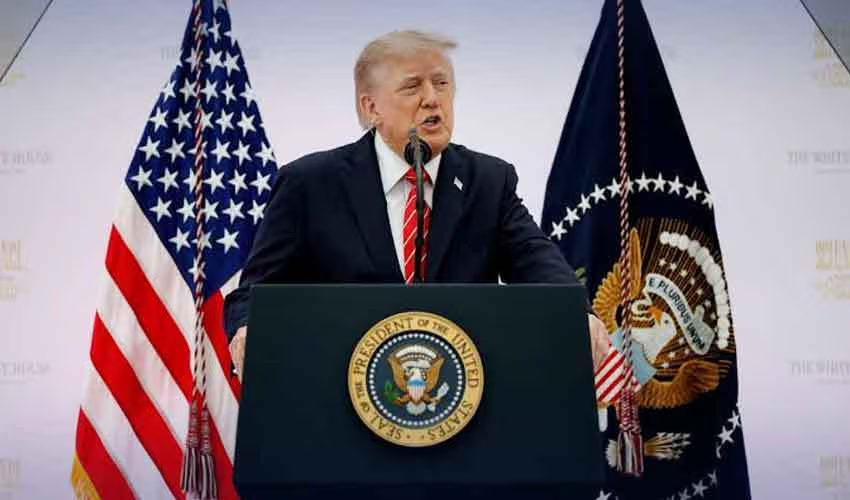
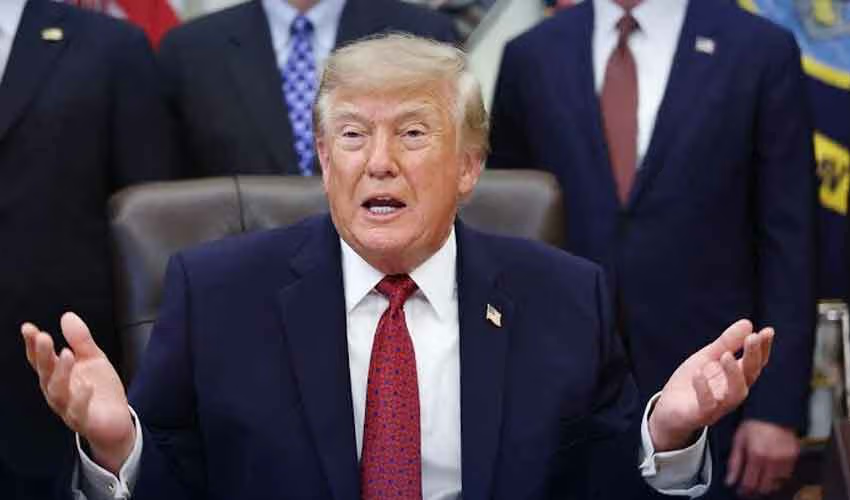
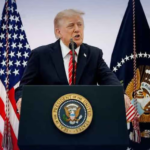
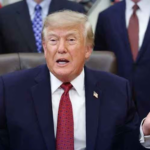
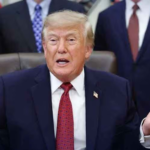
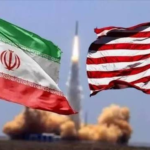
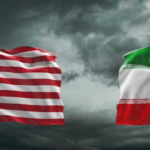
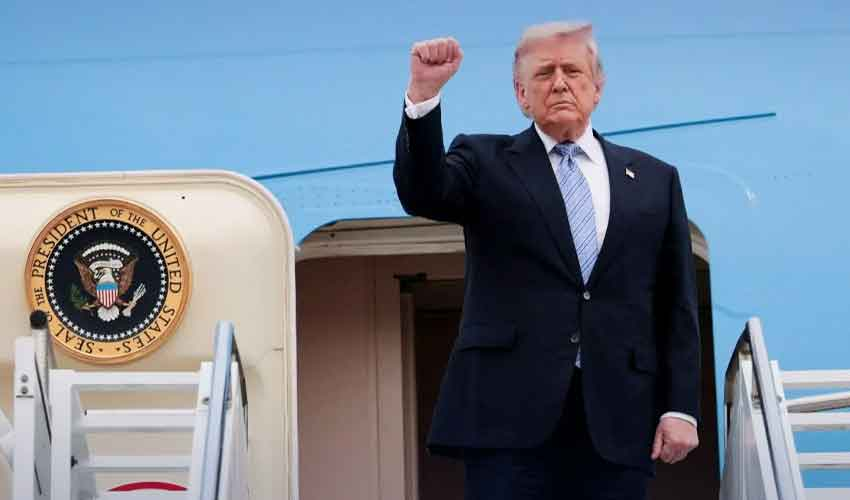
US President Donald Trump has held an emergency meeting with his top national security team as tensions surrounding the Iran conflict continue to escalate, raising concerns in Washington and across the Middle East over the possibility of renewed military action.
According to US media reports, the meeting brought together senior officials including Vice President JD Vance, Defense Secretary Pete Hegseth, and CIA Director John Ratcliffe. Secretary of State Marco Rubio was reportedly absent due to commitments in Europe.
Officials say the discussion focused heavily on possible next steps, including both diplomatic pathways and potential military escalation.
Military Action on the Table as Negotiations Stall
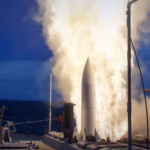
Sources familiar with the situation say Trump is actively reviewing the option of “decisive military action” against Iran, though the final decision has not been made and could shift depending on diplomatic progress.
The White House is reportedly frustrated with the slow pace of negotiations, with officials warning that the current diplomatic track may not be producing sufficient breakthroughs.
At the same time, advisers are weighing the risks of escalation, particularly the possibility of retaliatory strikes or broader regional instability if military action proceeds.
Despite the hardline posture, US officials say the door to diplomacy remains open if meaningful progress emerges in ongoing talks.
Pakistan and Qatar Intensify Mediation Efforts
As tensions rise, diplomatic channels have also gained momentum.
Field Marshal Asim Munir, Pakistan’s Chief of Army Staff, has reportedly arrived in Tehran for high-level discussions with Iranian leadership aimed at reducing tensions and supporting ongoing negotiations.
Separately, a Qatari delegation has also reached Iran, further signaling regional efforts to prevent escalation and push both sides toward a negotiated settlement.
These parallel diplomatic moves highlight growing international concern that the crisis could expand into a broader regional conflict if talks collapse.
Iran Says Talks Continue but Agreement Remains Elusive
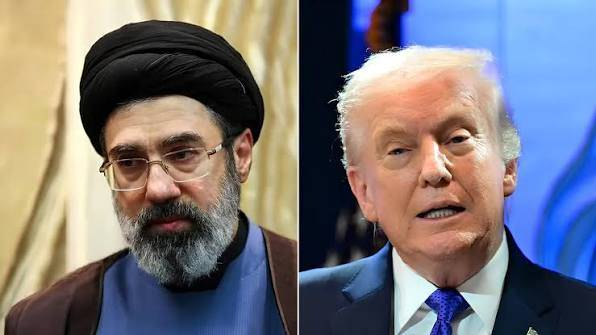
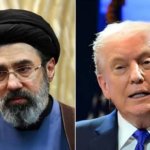
Iran’s Foreign Ministry has confirmed that negotiations are still underway but stressed that no final agreement has been reached.
Officials in Tehran say discussions are currently focused on ending hostilities and stabilizing the region, though major gaps remain between both sides.
Key sticking points reportedly include Iran’s nuclear program, sanctions relief, and security arrangements in the Strait of Hormuz — a strategic waterway vital to global energy shipments.
Rising Pressure as Strategic Decisions Loom
The latest developments come at a time of heightened global attention, with Washington weighing its next move amid competing pressures from military advisers and international mediators.
While the possibility of renewed strikes remains under consideration, diplomatic actors including Pakistan and Qatar continue to push for de-escalation and a negotiated resolution.
Analysts say the coming days may prove critical in determining whether the situation moves toward confrontation or a renewed diplomatic breakthrough.