
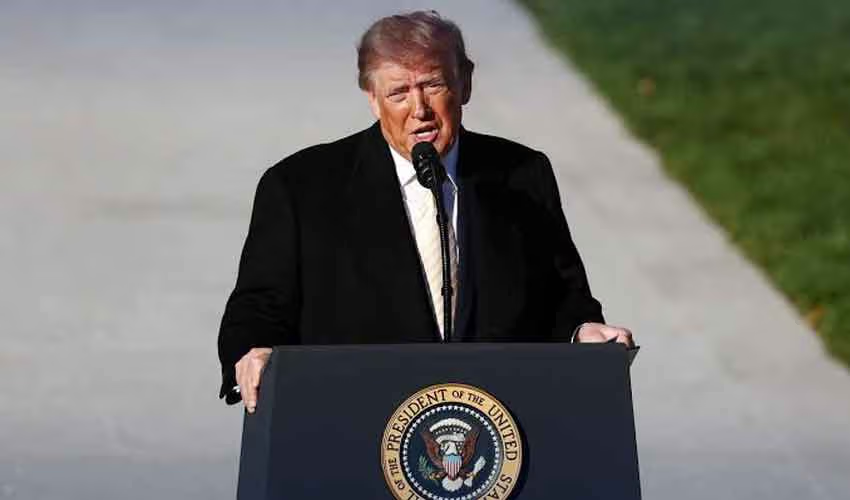
The Trump administration has proposed new tariffs ranging from 10% to 40% on imports from major trading partners, including China, India, Japan and the European Union, as Washington intensifies efforts to protect American manufacturers and address alleged unfair trade practices.
US President Donald Trump has announced another major step in his administration’s aggressive trade strategy, proposing new tariffs on imports from several major economies. The latest measures target countries accused by Washington of maintaining excessive industrial production and using government support to gain an advantage in international markets.
The proposed tariff rates could reach 40% for certain trading partners, although the United States Trade Representative (USTR) has indicated that lower rates would apply to countries covered by completed or ongoing trade agreements.
The announcement follows an eight-month investigation into industrial overcapacity and unfair trade practices. It also represents an effort by the Trump administration to strengthen its tariff policy after the US Supreme Court struck down the president’s broader global tariffs in February.
By relying on Section 301 of the Trade Act of 1974, the administration aims to establish a stronger legal foundation for additional trade restrictions.
China Faces the Highest Proposed Tariff Rate
China is expected to face the highest tariff ceiling under the new proposal, reflecting longstanding disagreements between Washington and Beijing over manufacturing, exports and industrial subsidies.
According to the USTR, Chinese imports could face a maximum tariff rate of 20% under the existing trade understanding between the two countries. This would be in addition to duties of approximately 25% imposed during Trump’s first presidential term.
However, the situation could become more complicated if the current US-China trade truce expires on January 10 without an extension. In that scenario, the proposed tariff ceiling on Chinese products could increase to 40%.
Washington has repeatedly accused Beijing of supporting domestic industries through subsidies and other economic policies that allow Chinese manufacturers to export products at highly competitive prices.
These concerns particularly involve steel, electric vehicles, solar panels and other manufactured goods.
China has rejected the allegations, arguing that its industrial success comes from manufacturing efficiency and international competitiveness rather than unfair government support.
A spokesperson for the Chinese Embassy in Washington described the overcapacity allegations as politically motivated and urged both governments to honor the agreements reached between Trump and Chinese President Xi Jinping.
India Could Face 25% Tariffs Without a Trade Agreement
India is another major economy affected by the latest US trade proposals.
The USTR has suggested a tariff ceiling of 17% on Indian goods if Washington and New Delhi successfully finalize a trade agreement. However, the proposed rate could rise to 25% if negotiations fail.
The development adds pressure to ongoing trade discussions between the two countries, which have been working to resolve disagreements over market access, import duties and other commercial issues.
India’s position is particularly important because it remains one of the major manufacturing and export economies in Asia.
Higher US tariffs could affect Indian businesses selling products to American consumers, while also influencing investment decisions and supply chain arrangements.
The proposed rates indicate that the Trump administration is willing to maintain pressure on trading partners while offering lower duties to countries that reach agreements with Washington.
Japan, European Union and Asian Economies Receive Lower Rates
Several other trading partners are expected to receive lower tariff ceilings under the proposal.
Japan, South Korea, Taiwan, the European Union and Switzerland would face a proposed maximum rate of 15%, including existing Most Favored Nation duties.
Meanwhile, Cambodia, Indonesia, Malaysia, Thailand and Bangladesh could receive tariff ceilings of 18%.
Singapore would be subject to a proposed maximum rate of 10%.
Vietnam’s position is more complicated. Its tariff rate could remain capped at 20% if a trade agreement is finalized with Washington. Without an agreement, the rate could increase to 35%.
Mexico and Norway were excluded from the latest proposals because investigations into their trade practices are still ongoing.
US Trade Representative Jamieson Greer said the proposed rates were consistent with agreements negotiated over the previous year. He also argued that these arrangements addressed several of the concerns identified during the industrial overcapacity investigation.
Separate Tariffs Target Brazilian Aircraft and Sugar
Alongside the broader trade announcement, the Trump administration has proposed additional tariffs targeting specific Brazilian imports.
The USTR recommended a new 10% duty on finished commercial aircraft manufactured by Brazilian company Embraer. It also proposed increasing tariffs on Brazilian sugar imports exceeding established quotas.
These products had previously been exempted from the 25% tariffs imposed on Brazilian goods in July under a separate Section 301 investigation.
Greer said the latest recommendations followed months of negotiations between Washington and Brasilia that failed to produce meaningful progress.
The measures could create additional challenges for Brazilian exporters, particularly in the aviation and agricultural industries.
New Tariffs Could Increase Pressure on Global Markets
The latest announcement has already raised concerns among investors about the possibility of renewed international trade tensions.
Major US stock market indexes opened lower on Wednesday as technology shares experienced another selloff. The Nasdaq Composite dropped more than 3%, while other major indexes also recorded losses exceeding 1%.
Market analysts have warned that uncertainty surrounding US trade policy could continue affecting investor confidence, particularly if negotiations with major economies fail.
Higher import duties can also increase costs for American companies that rely on overseas suppliers. Businesses may eventually pass some of those additional expenses to consumers through higher prices.
This issue has become politically important for Trump, as rising living costs and tariff-related concerns contributed to dissatisfaction among voters during the recent midterm elections.
Democrats Promise Resistance to Trump’s Trade Policy
The administration’s latest tariff proposals come after a major electoral setback for Republicans, with Democrats securing victories in both chambers of Congress.
A Reuters/Ipsos poll conducted following the midterm elections found that 62% of respondents supported efforts by Democrats to repeal Trump’s tariffs.
Oregon Senator Ron Wyden, who is expected to become chairman of the Senate Finance Committee in January, criticized the president’s decision to pursue additional trade restrictions.
Wyden argued that the tariffs could increase prices for American households and promised to use his position to challenge the administration’s trade agenda.
However, reversing the new measures may prove difficult because restrictions targeting excess industrial capacity, particularly in China, have received support from lawmakers across party lines.
Trade policy experts also warn that removing the tariffs could complicate existing agreements with international partners.
The proposed duties are not expected to take effect immediately. The USTR has scheduled a public hearing for January 25 before the measures can move forward, giving affected countries and businesses an opportunity to present their positions.
The outcome could influence future trade negotiations involving the United States, China, India and several other major economies.