
LONDON — The BBC issued a rare public apology on Monday over a Panorama documentary edit of a Donald Trump speech that, by its own admission, “gave the impression of a direct call for violent action” ahead of the January 6, 2021 Capitol attack. The row triggered the resignations of Director-General Tim Davie and BBC News CEO Deborah Turness, deepening a crisis over impartiality at Britain’s public broadcaster.
In a letter to UK lawmakers, BBC chairman Samir Shah called the edit an “error of judgement” and said the corporation would strengthen editorial oversight. Shah’s note followed days of headlines and political blowback as the controversy spilled across the Atlantic and into U.S. politics.
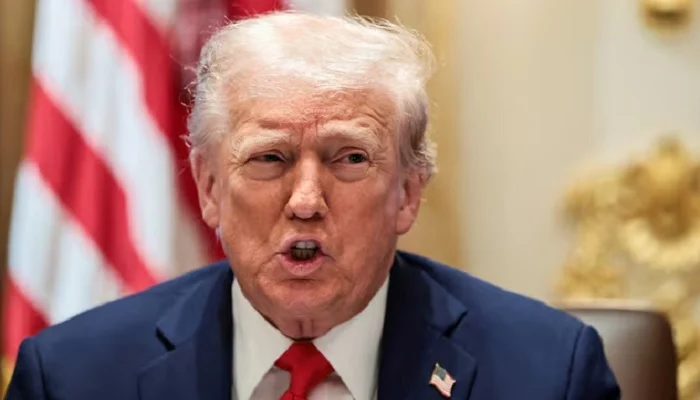
The disputed segment spliced together lines from Trump’s January 6 remarks that were delivered nearly an hour apart, omitting language where he told supporters to protest “peacefully and patriotically,” according to accounts of the internal review and contemporaneous reporting. The edit first surfaced in a Panorama episode aired shortly before the 2024 U.S. election, reigniting debate about how broadcasters portray Trump’s rhetoric.
Leadership shock and political fallout
Davie and Turness submitted their resignations on Sunday, saying the furore had damaged trust and acknowledging mistakes even as they defended the BBC’s wider record. Their departures arrive just as the BBC heads into sensitive talks over its charter and funding model, raising the stakes for its leadership transition.
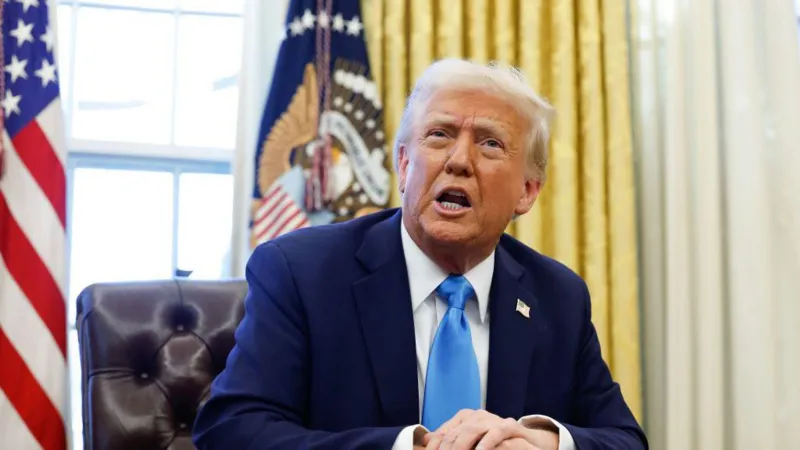
The White House welcomed the apology but also rebuked the broadcaster, while Donald Trump threatened legal action and labeled the BBC “corrupt.” UK Prime Minister Keir Starmer’s office pushed back on that characterization, arguing the BBC remains vital in an era of disinformation—so long as it acts swiftly to correct errors.
The storm intensified after reports that a former external standards adviser, Michael Prescott, had raised impartiality concerns in a memo that later leaked to the press. Shah said the corporation had mishandled aspects of the review but rejected claims of a cover-up or systemic bias.
Why it matters for U.S. audiences
For American readers, the dispute lands amid continuing scrutiny of how major outlets platform and contextualize Trump’s words in the 2024–2025 news cycle. The BBC is not a U.S. network, but its brand carries global weight; critics on the right and left have seized on the edit to argue about media trust, “fake news,” and the line between aggressive editing and misrepresentation. The resignations underscore how editorial mistakes can cascade into governance crises—especially when they involve Trump and January 6.
Shah said the BBC will tighten editorial guidance, bolster senior oversight, and pursue disciplinary steps where appropriate. The corporation is also bracing for a contentious charter review before the current settlement expires in 2027—another arena where questions of impartiality and funding will collide with politics.