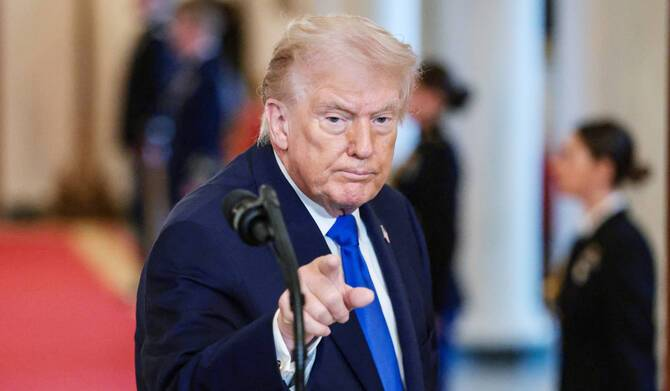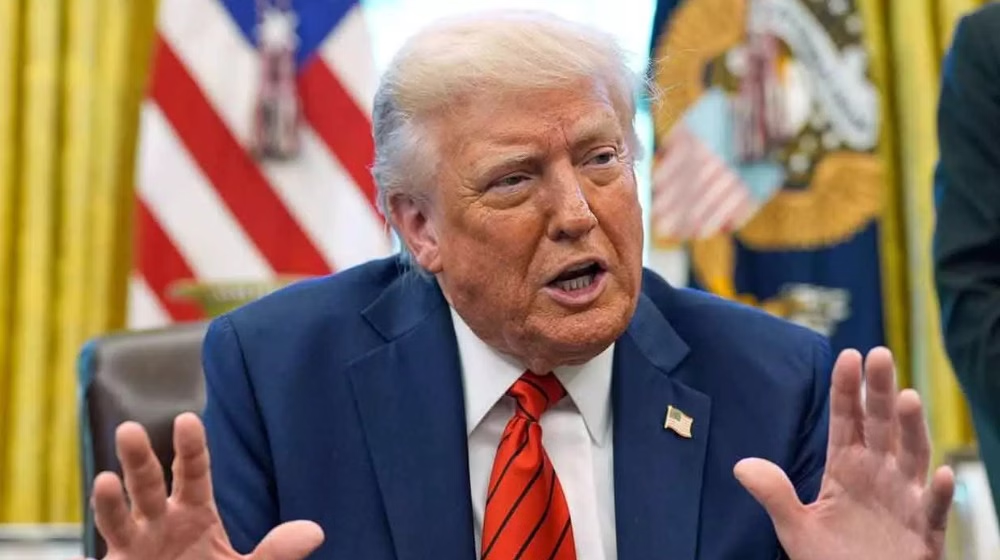



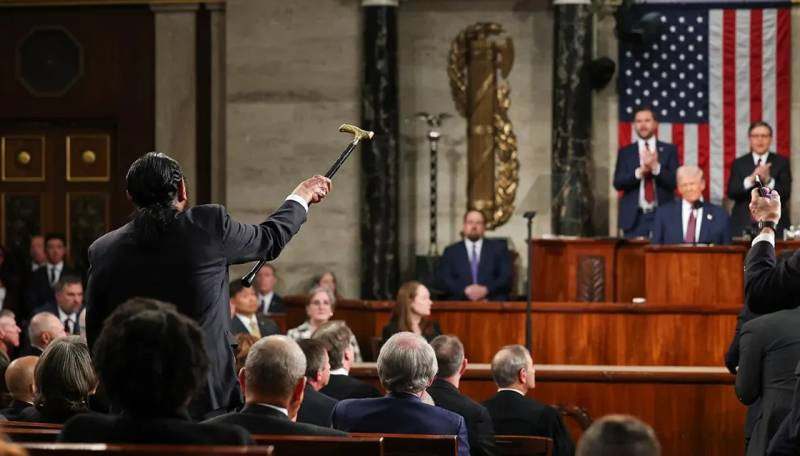
Around 30 Democratic lawmakers chose to skip President Donald Trump’s annual State of the Union address on Tuesday, instead attending a counter-event dubbed the “People’s State of the Union” on the National Mall.
Senator Chris Murphy, addressing a crowd gathered in front of the US Capitol, criticized the president, saying,
“He makes a mockery of this institution and he does not deserve an audience.”
Trump, now in his second term, used the official address to defend his administration’s record and outline priorities for the coming year. Meanwhile, the Democrats’ alternative event aimed to spotlight individuals and communities impacted by Trump’s policies.
Voices at the People’s State of the Union
Participants at the event included:
- An alleged victim of convicted sex offender Jeffrey Epstein.
- Families affected by immigration enforcement and deportations.
- Public health researchers who lost their jobs due to budget cuts.
Attendees held signs reading “Protect Our Democracy” and “No Money for ICE,” signaling strong opposition to Trump’s immigration policies and federal enforcement practices.
Another concurrent event, called the “State of the Swamp,” attracted celebrities and additional Democratic politicians, highlighting widespread criticism of Trump’s administration among progressive and liberal circles.
Political Symbolism and Growing Polarization
Skipping the official State of the Union is a symbolic protest, reflecting deepening partisan divisions in Washington. Democrats have increasingly used alternative events to amplify their message and bring attention to issues they feel are ignored by the Trump administration.
Political analysts note that such demonstrations serve both as a form of protest and as media strategy, ensuring national coverage while reinforcing party unity among opposition members.
The dual events underscore the highly polarized environment of American politics, where official addresses and public dissent often occur simultaneously, offering contrasting narratives of the nation’s priorities and challenges.