
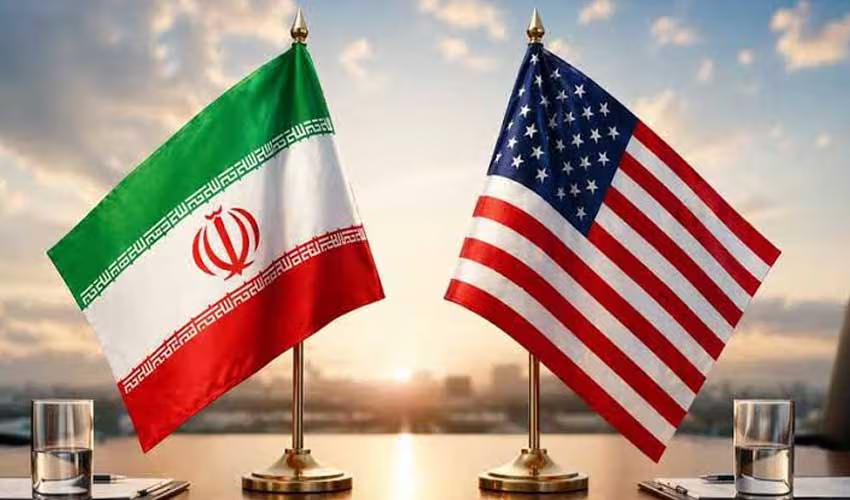
Iran is seeking to accelerate negotiations with the United States through a proposed four-day agreement aimed at reducing tensions, reopening the Strait of Hormuz and preventing another round of military strikes. Regional mediators are reportedly working to arrange a meeting in Turkey before November 4 as diplomatic efforts intensify.
According to sources cited by Al Arabiya English, Tehran wants to shorten the implementation period of its proposed agreement from seven days to four. The plan reportedly addresses several major disputes, including the US naval blockade on Iranian ports, international inspections of nuclear facilities and arrangements for restoring maritime traffic through the Strait of Hormuz.
The diplomatic initiative comes amid continuing disagreements between Washington and Tehran over Iran’s nuclear programme and the conditions required for a lasting settlement. Mediators are attempting to bring the two sides closer together before tensions escalate further.
Iranian Foreign Minister Abbas Araghchi said Tehran remained in contact with regional intermediaries to discuss ways to implement the proposed agreement in less than a week. He had previously indicated that the seven-day plan could facilitate the reopening of the Strait of Hormuz if the necessary conditions were met.
Turkey Meeting Could Revive US-Iran Negotiations
Regional mediators are exploring the possibility of bringing Iranian and American representatives together in Turkey before November 4. The proposed meeting is intended to restart negotiations and establish a framework for implementing the measures under discussion.
According to an Axios report, Qatar is leading the mediation effort with support from Saudi Arabia, Pakistan, Egypt and Türkiye. These countries are reportedly working to narrow differences between Washington and Tehran and identify terms that both sides could accept.
Qatari negotiator Ali al-Thawadi reportedly travelled to Tehran this week for discussions with Iranian officials about a possible agreement with the administration of US President Donald Trump.
One of the central challenges is deciding which side must take the first steps. Washington wants Iran to relinquish its stockpile of enriched uranium, while Tehran is seeking the lifting of the US naval blockade and the release of frozen Iranian assets.
Mediators have reportedly warned Iranian officials that progress on the proposals could help reduce the risk of renewed US and Israeli military action after the November 3 US midterm elections.
Sources cited by Axios said Iranian officials intended to seek approval from Supreme Leader Mojtaba Khamenei for the proposals in the coming days. The outcome will depend on whether Iran and the United States can agree on the terms and timing of their commitments.
Nuclear Inspections and Sanctions Relief Under Discussion
The proposed agreement also seeks to address international concerns about Iran’s nuclear activities. One option reportedly involves restoring an arrangement reached between Tehran and the International Atomic Energy Agency (IAEA) in Cairo in September 2025.
The agreement established a framework for international inspectors to resume visits to Iranian nuclear facilities. However, implementation was reportedly suspended after the United Nations reimposed sanctions on Iran the following month.
IAEA Director General Rafael Grossi has suggested that restoring the Cairo framework could provide a basis for renewed inspections, including at nuclear facilities damaged during previous US and Israeli strikes.
Under the proposal now being discussed, Iran could receive limited sanctions relief that would allow it to export oil. Some frozen Iranian funds could also be released for purchasing food and other humanitarian supplies.
In return, Tehran would permit IAEA inspectors to visit affected nuclear facilities, according to the reported outline of the plan.
The proposed arrangement could provide a way to resume monitoring of Iran’s nuclear programme without immediately requiring the country to surrender its enriched uranium stockpile. For Washington, renewed inspections could offer greater visibility into Iran’s nuclear activities, while Tehran could gain limited economic relief.
However, the scope of inspections, the amount of financial relief and the sequence of commitments remain unresolved.
US and Israel Reportedly Consider Renewed Military Action
Despite the diplomatic initiative, concerns about another military escalation remain significant. US and Israeli officials cited by Axios reportedly discussed a potential operation involving approximately one week of intensive strikes against Iranian leadership, energy infrastructure, nuclear facilities and other targets.
These reported military options have increased the urgency of efforts to arrange negotiations before the proposed November deadline. The possibility of renewed attacks could complicate diplomatic efforts and increase uncertainty across the Middle East.
Saudi Arabia has reportedly urged Washington to give negotiations additional time rather than move quickly toward another military campaign. According to a US official cited by Axios, Riyadh asked Trump to allow diplomatic efforts to continue.
Regional governments have strong reasons to seek a settlement, as renewed hostilities could threaten energy infrastructure, shipping routes and commercial activity throughout the Gulf.
The Strait of Hormuz is particularly important because it serves as a major route for international oil and gas shipments. Any prolonged disruption could affect energy prices, transportation costs and supply security in countries that rely on imports from the region.
Trump Says Talks With Iran Are Continuing
Trump told Axios on Wednesday that negotiations with Iran were taking place through intermediaries, although he expressed uncertainty about whether the discussions would produce an agreement.
The president said Washington wanted to “finish the job”, either through a negotiated settlement or by other means.
His remarks underline the uncertainty surrounding the diplomatic process. While regional governments are working to arrange a meeting in Turkey, the United States continues to press Iran over its nuclear programme, and Tehran is seeking changes to the blockade and the status of its frozen assets.
The proposed four-day timetable would accelerate Iran’s earlier seven-day plan, potentially allowing the parties to address immediate disputes more quickly. However, shortening the timeline alone would not resolve the substantive disagreements over nuclear restrictions, sanctions relief and maritime security.
For mediators, the immediate priority is to secure enough progress to bring Washington and Tehran back to direct negotiations and establish a workable sequence for implementing any agreement.
Whether a meeting in Turkey takes place before November 4 remains uncertain. Neither a final settlement nor an agreement to implement the reported four-day proposal has been confirmed in the supplied material.