






Decoding a Climate Mystery
The source of a mysterious 1831 volcanic eruption that caused global cooling has finally been identified. Researchers traced the event to the Zavaritskii caldera on Simushir Island in the Kuril archipelago.
Tracing the Eruption’s Impact
This massive eruption released huge quantities of sulfur dioxide, leading to a temporary global temperature drop. Historical records note unusual weather patterns, including frosts during summer, crop failures, and disrupted ecosystems.
Science Behind the Discovery
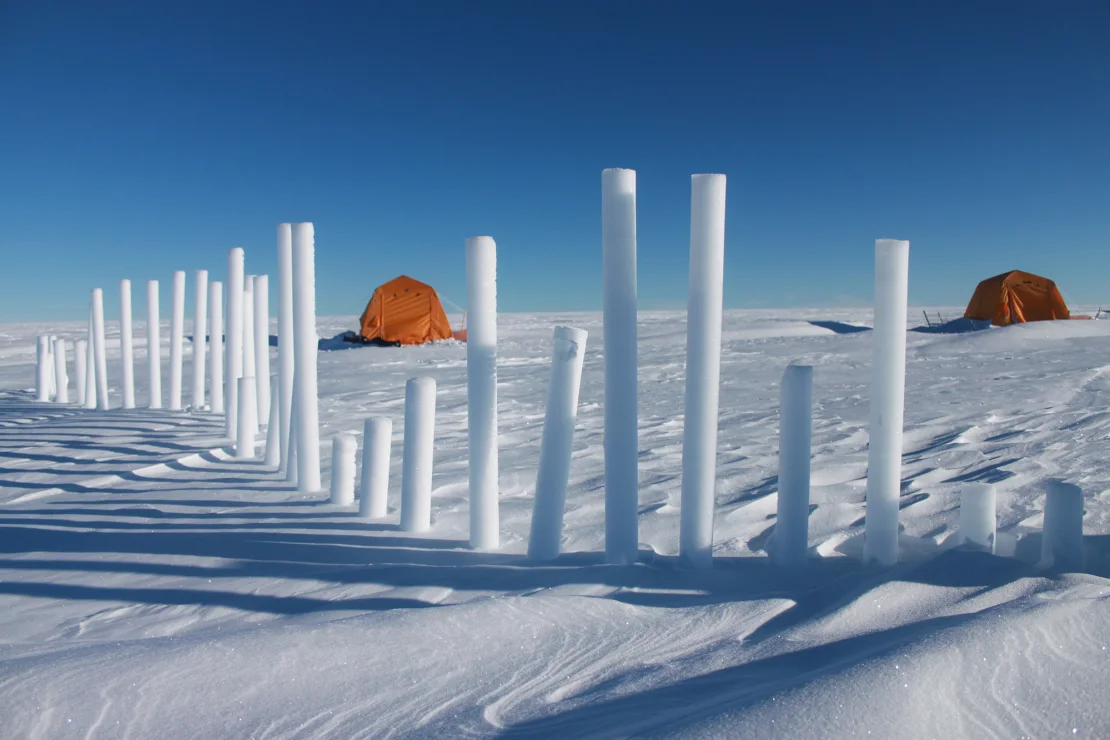
Scientists analyzed Greenland’s ice cores, searching for volcanic ash and sulfur isotopes that matched the eruption. Advanced geochemical techniques allowed researchers to pinpoint the exact caldera responsible.
Why It Matters
Understanding this eruption offers new insights into how volcanoes influence climate systems. It also highlights the need to monitor even remote volcanic regions, as their activity can have profound global consequences.
A Step Forward for Climate Research
This discovery provides valuable data to refine climate models, offering a clearer picture of how natural disasters shape Earth’s environmental history. It’s a reminder of our planet’s interconnected systems and the importance of continued scientific vigilance.