






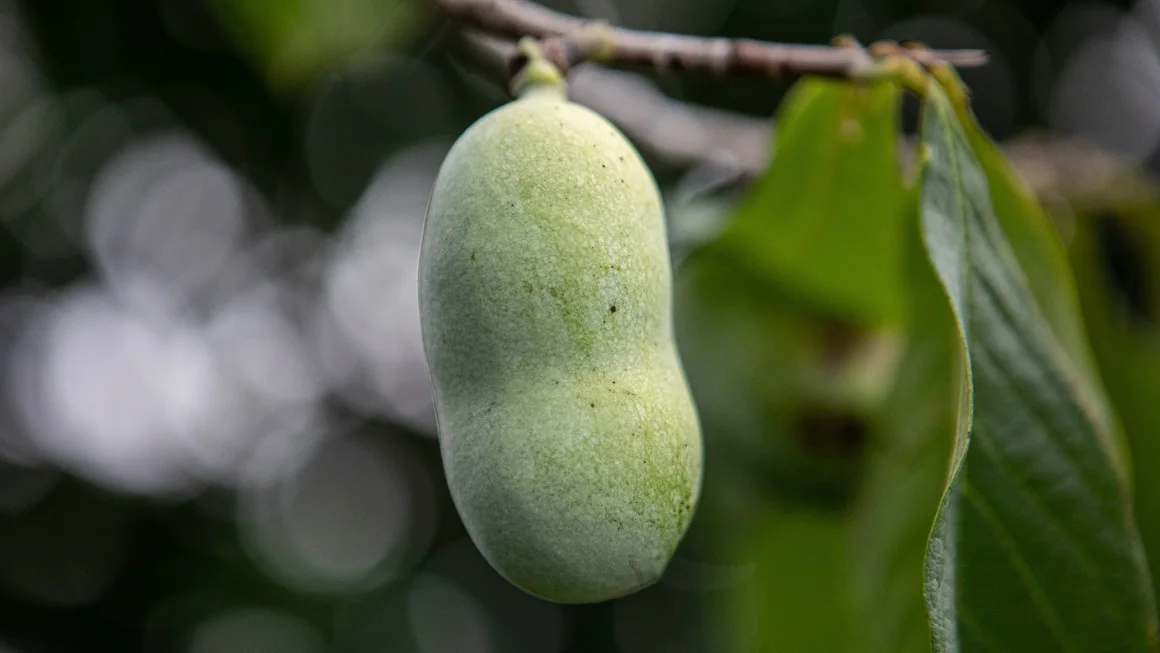
In the face of extreme weather fueled by climate change, native fruits such as pawpaws and beach plums are drawing attention for their potential to adapt to shifting conditions. The pawpaw, native to the eastern United States, offers a tropical-like flavor profile reminiscent of mango and banana, but recent droughts and erratic weather patterns in states like Ohio and Kentucky have posed significant challenges to its cultivation. Farmers report earlier harvests, reduced yields, and smaller, bitter fruit due to extreme heat and inconsistent rainfall
These climatic shifts are reshaping how growers manage their orchards. In Washington Court House, Ohio, a farmer observed pawpaw trees dropping fruit weeks earlier than usual, an anomaly linked to heat stress. These challenges are compounded by invasive species and diseases that exploit weakened trees. Pawpaw growers are exploring adaptive strategies, such as selective breeding for resilience, to ensure the survival of this culturally significant fruit
Similarly, beach plums, traditionally grown in coastal regions, face rising sea levels and saltwater intrusion that threaten their natural habitats. However, their drought tolerance makes them a candidate for sustainable farming in arid conditions. Organizations and agricultural researchers are investigating ways to integrate these hardy fruits into local diets as part of broader efforts to address food security in the face of climate extremes
Beyond resilience, pawpaws hold cultural importance. Native American tribes historically cultivated the fruit, which still carries a legacy of indigenous knowledge and practices. Today, advocates push for wider awareness and commercial availability, hoping that pawpaws can transition from niche farming to mainstream recognition, contributing to both biodiversity and the culinary landscape in the U.S.
As these native fruits adapt to climate pressures, they highlight the broader challenges and opportunities in sustainable agriculture. Through innovation and respect for ecological history, native species like pawpaws and beach plums could play a key role in the future of American food systems.