



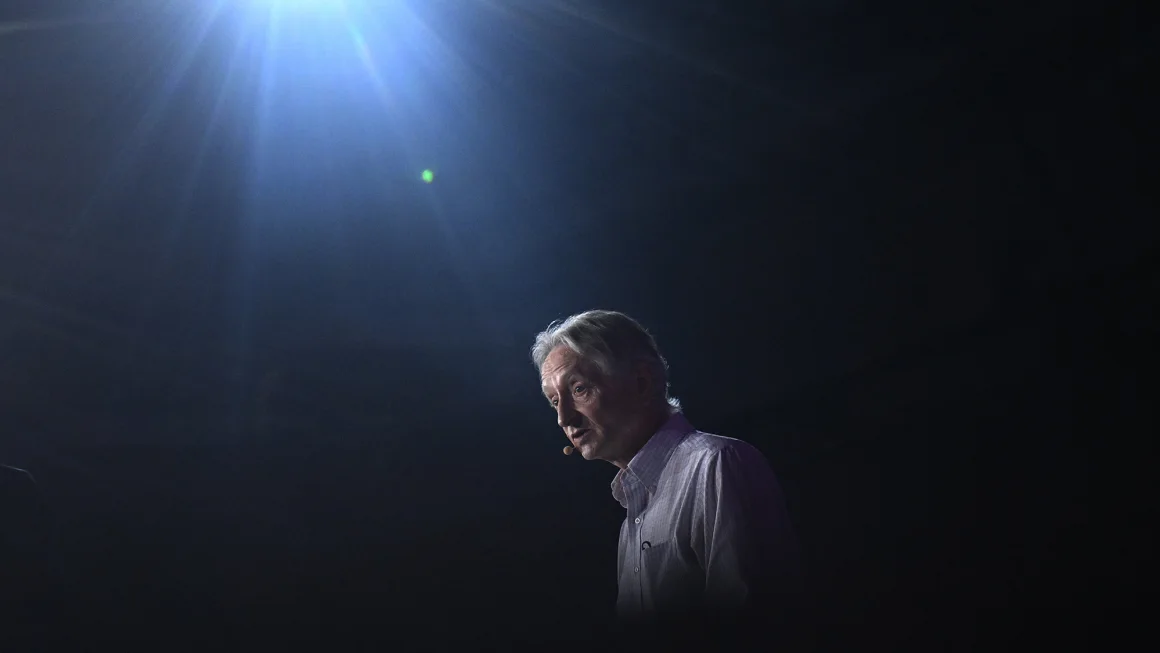
On October 14, 2024, a newly crowned Nobel Prize winner in physics, Dr. John Harrison, joined a growing list of laureates who have expressed concern about the potential dangers of artificial intelligence (AI). During his acceptance speech, Harrison, recognized for his groundbreaking work in quantum computing, highlighted the unintended consequences of AI advancements. He cautioned that, without proper safeguards, AI systems could surpass human control and pose significant risks to society.
This warning echoes concerns raised by other Nobel laureates, including experts in economics and peace studies, who have also acknowledged the dual-edged sword of technological progress. In the U.S., these concerns have gained traction as AI continues to transform industries, from healthcare to military defense. Policymakers are increasingly focused on AI regulation, and Harrison’s comments add momentum to the debate about ethical AI use.
The laureate’s cautionary remarks resonate with growing public and academic discussions about AI safety. In Silicon Valley, AI leaders are already working on “AI alignment” projects, aiming to ensure that AI systems operate within the bounds of human ethics and governance