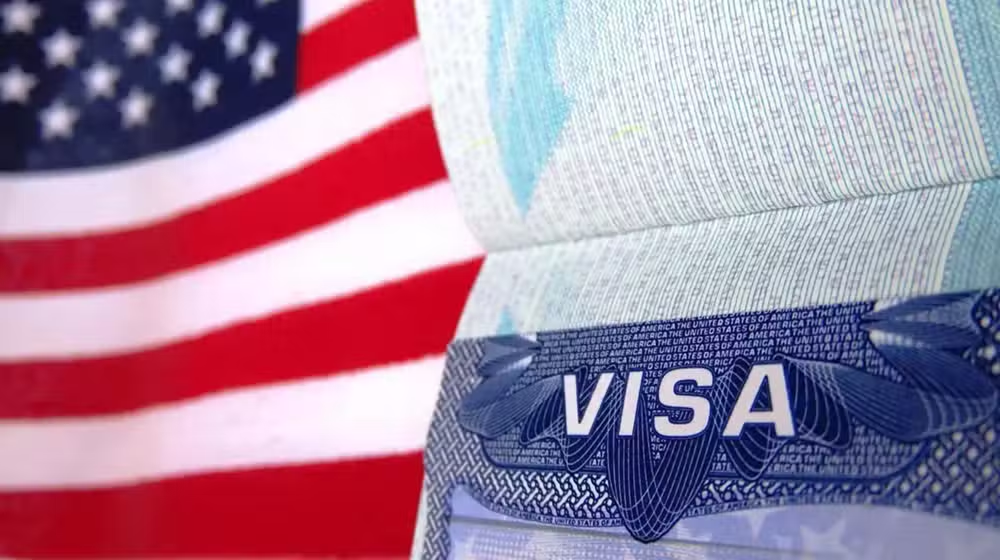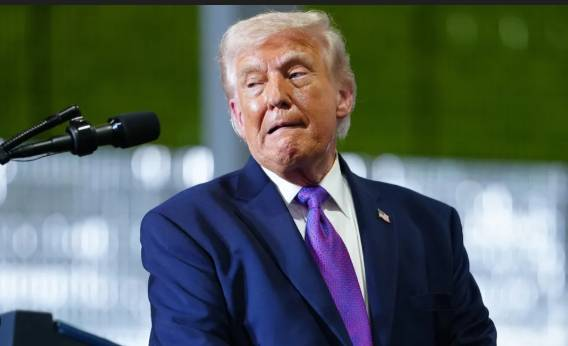


Washington, D.C. — A coalition of immigrant rights groups and U.S. citizens has filed a federal lawsuit challenging the Trump administration’s controversial freeze on immigrant visa processing for nationals of 75 countries, including Pakistan, Bangladesh, Brazil, and Albania.
The policy, which took effect on January 21, indefinitely pauses immigrant visa issuance while allowing nonimmigrant visas to continue. Critics argue that the freeze disproportionately targets certain nationalities and undermines longstanding principles of U.S. immigration law.
Legal Challenge Claims Discrimination
The plaintiffs allege that the policy unlawfully discriminates based on nationality and race, effectively reversing decades of settled immigration precedent. “This policy is not only arbitrary but strikes at the core of American values by treating individuals differently solely because of where they were born,” the coalition said in a statement.
The lawsuit seeks to block the visa freeze and compel the government to resume processing immigrant visas without the imposed restrictions. Legal experts say the case could set a significant precedent regarding executive power in shaping U.S. immigration policy.
Widespread Impact
The freeze affects tens of thousands of potential immigrants and their families, creating uncertainty for those who had already secured visa approvals or were in the application process. Many of the affected countries have longstanding immigration ties to the United States, including family reunification and employment-based visas.
Nonimmigrant visas, such as tourist, student, and business visas, remain exempt from the freeze, further highlighting the administration’s selective approach. Immigration advocates have criticized the policy for creating chaos and deepening the backlog in an already complex immigration system.
Broader Immigration Context
This lawsuit comes amid a series of immigration policies implemented by the Trump administration, including travel bans and stricter enforcement measures targeting undocumented immigrants. Immigration advocacy groups argue that these policies collectively erode protections historically afforded to immigrants and refugees under U.S. law.
Observers say the federal courts will play a critical role in determining whether the administration overstepped its authority with the visa freeze. The outcome could influence future immigration policy, executive authority, and the legal interpretation of anti-discrimination protections in U.S. law.