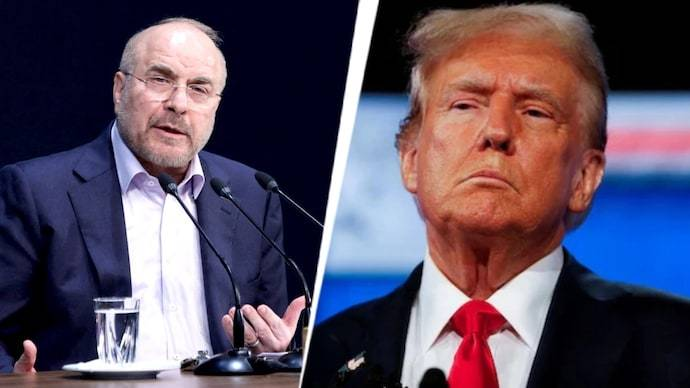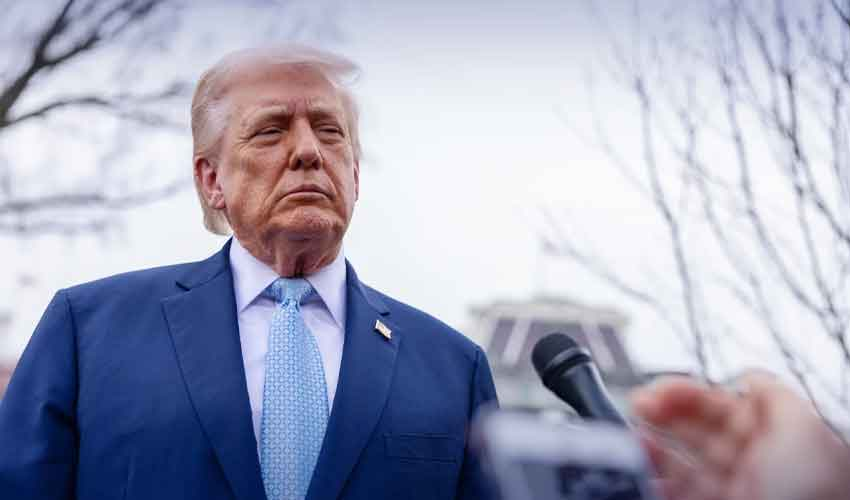
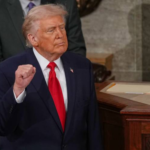
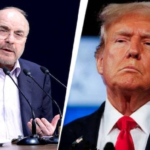
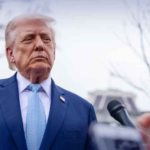

As the conflict in West Asia entered its 27th day, U.S. President Donald Trump made a startling claim at a Republican fundraiser, suggesting that Iran’s leadership had informally offered him the country’s top position—a proposal he says he firmly declined.
“Iran Wants a Deal, But Is Afraid to Admit It”
Speaking Wednesday night in Washington, Trump said that Iran was desperate to negotiate an end to the war but unable to publicly acknowledge it due to fears for their lives.
“They are negotiating, by the way, and they want to make a deal so badly, but they’re afraid to say it because they figure they’ll be killed by their own people. They’re also afraid they’ll be killed by us,” Trump said.
The president claimed that during these informal discussions, Iranian officials suggested he become their next supreme leader.
“We’d like to make you the next supreme leader. No, thank you, I don’t want it,” he remarked, adding, “There’s never been a head of a country that wanted that job less than being the head of Iran.”
Leadership Vacuum in Iran
Trump’s comments come amid ongoing uncertainty about Iran’s leadership following the killing of Ali Khamenei last month. His son, Mojtaba Khamenei, was elevated as Supreme Leader but has not appeared publicly since the war began, with reports suggesting he may have been injured during U.S.-Israeli strikes.
Despite Trump’s claims, Iranian authorities have officially denied that any negotiations are taking place to end the conflict, highlighting the ongoing information war alongside military operations.
Trump Reiterates Military “Victory”
The U.S. president once again characterized American actions as a “military decimation” of Iranian capabilities, asserting that the United States holds a dominant position in the region. He also hinted that backchannel talks are ongoing, claiming Iran is eager for a ceasefire but restrained by fear of internal reprisals.
The remarks underscore Trump’s continued efforts to frame the conflict as a decisive U.S. success while portraying himself as a central figure in any potential diplomatic resolution.