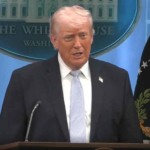
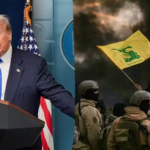
Washington, D.C. – US President Donald Trump has claimed that American military forces have begun clearing naval mines in the Strait of Hormuz, a strategic global shipping route, marking a significant escalation in already heightened tensions across the Middle East.
The statement was posted on Truth Social, where Trump also alleged that Iranian naval assets have been destroyed and accused Tehran of placing sea mines in the vital waterway used for global energy transport.
US “Starting the Process” of Clearing Strait of Hormuz
Trump said the United States has begun “the process” of clearing mines from the Strait of Hormuz, describing the operation as a service to multiple countries dependent on the route for oil shipments and energy security.
He claimed the effort is being carried out “as a favor” to nations including China, Japan, South Korea, France, Germany, and others that rely heavily on Gulf energy supplies passing through the narrow maritime corridor.
The Strait of Hormuz remains one of the world’s most critical chokepoints, with a significant share of global crude oil shipments passing through it daily.
Allegations of Iranian Naval Destruction
In the same statement, Trump alleged that Iranian naval vessels capable of laying mines had been destroyed in recent operations. He further claimed that “all 28” Iranian mine-deploying boats were now “at the bottom of the sea.”
However, no independent verification has confirmed these assertions, and neither US defense officials nor international monitoring agencies have publicly corroborated the scale of the destruction described by the president.
Trump has repeatedly maintained that US operations have severely weakened Iran’s military capabilities, including its navy, missile systems, and broader strategic infrastructure.
Rising Pressure on Global Shipping Routes
The Strait of Hormuz has become a central flashpoint in the ongoing conflict, with growing fears that further disruptions could significantly impact global energy flows.
Recent weeks have already seen shipping delays and heightened insurance costs, as commercial carriers avoid the region amid security concerns. The situation has contributed to increased volatility in global oil markets and rising fuel prices in several countries, including the United States.
Energy analysts warn that any sustained disruption in the Strait could have immediate ripple effects on inflation, transportation costs, and supply chains worldwide.
Diplomatic Talks Continue Amid Ceasefire Fragility
Despite the military escalation, diplomatic efforts are reportedly continuing in the background. Representatives from the United States and Iran have engaged in discussions in Islamabad, hosted by Pakistani officials as part of broader mediation efforts.
These talks are taking place within a fragile ceasefire environment, where ongoing military activity and competing strategic claims continue to complicate negotiations.
Observers note that while diplomatic channels remain open, the parallel escalation in maritime operations and public statements risks undermining trust between the parties involved.
Uncertain Path Forward
As tensions intensify around one of the world’s most important shipping lanes, the situation remains highly fluid. Trump’s claims signal a more aggressive posture in securing maritime routes, while regional diplomacy struggles to keep pace with developments on the ground and at sea.