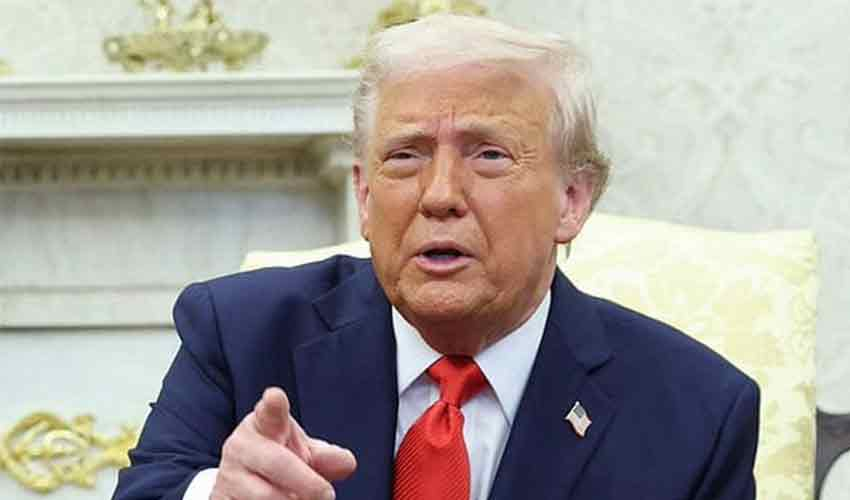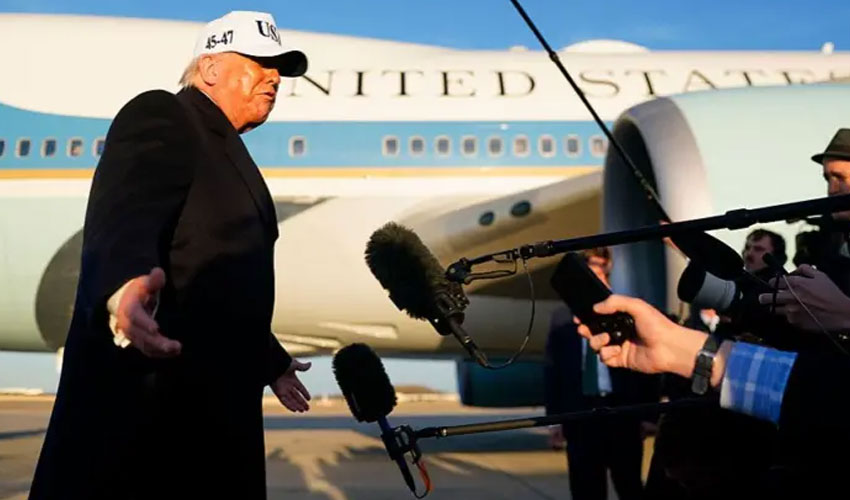

President Donald Trump is confronting a growing impasse in the ongoing war with Iran, as military strikes have weakened Tehran but no clear exit strategy or diplomatic solution has emerged. Weeks into the conflict, the U.S. president has struggled to define objectives, sell the war to the American public, and secure support from allies.
Military Gains, But Iran Remains Defiant
Trump has repeatedly claimed that Iran has been decimated by American and Israeli airstrikes since February 28, 2026, targeting the Iranian navy, ballistic missile systems, and top leadership. However, despite these heavy losses, Tehran has shown no willingness to surrender, and U.S. officials acknowledge that Iran retains the ability to retaliate across the region.
“They weren’t supposed to go after all these other countries in the Middle East,” Trump admitted. “Nobody expected that. We were shocked.”
The conflict has already spread beyond Iran, affecting Lebanon, Iraq, and Gulf nations, and prompting attacks on the U.S. embassy in Baghdad. Rising oil prices and maritime disruptions in the Strait of Hormuz have added economic pressure to the ongoing military campaign.
Diplomatic Stalemate and Lack of Allied Support
Trump has faced significant pushback from global allies, particularly in Europe. Germany, Spain, and Italy declined to send warships to secure the Strait of Hormuz, citing legal mandates and a lack of consultation prior to the conflict.
“The longer this war goes on, the more the balance between its costs and benefits shifts toward the former,” said Richard Haass, president emeritus of the Council on Foreign Relations, highlighting the rising strategic and economic risks for the United States.
Trump initially sought allied support but later suggested that the U.S. could act independently to secure key maritime routes. Still, frustrations among allies remain high, as European leaders stress that the conflict is not a NATO responsibility.
Experts Urge Negotiated De-Escalation
Analysts emphasize that military action alone may not restore regional stability. Sina Toossi, senior fellow at the Center for International Policy, called for a negotiated de-escalation that allows all sides to claim success:
“The U.S. can claim it degraded Iran’s capabilities, while Iran claims it absorbed the pressure and demonstrated it can retaliate,” Toossi said.
Similarly, Mona Yacoubian, Middle East program director at the Center for Strategic and International Studies, described the situation as the region’s “nightmare scenario”, stressing that Gulf nations will need to acknowledge Iran’s enduring regional presence to move forward.
Strategic and Economic Stakes
The conflict has heightened concerns over global energy supplies, as the Strait of Hormuz remains partially blocked, and oil prices have surged. U.S. objectives include restoring maritime traffic, degrading Iran’s military capabilities, and preventing further attacks on regional neighbors.
Experts note that the path forward is narrow, with few clean options. A diplomatic resolution will likely depend on Iran’s willingness to negotiate, as well as continued engagement by U.S. and Israeli leadership to define achievable objectives.