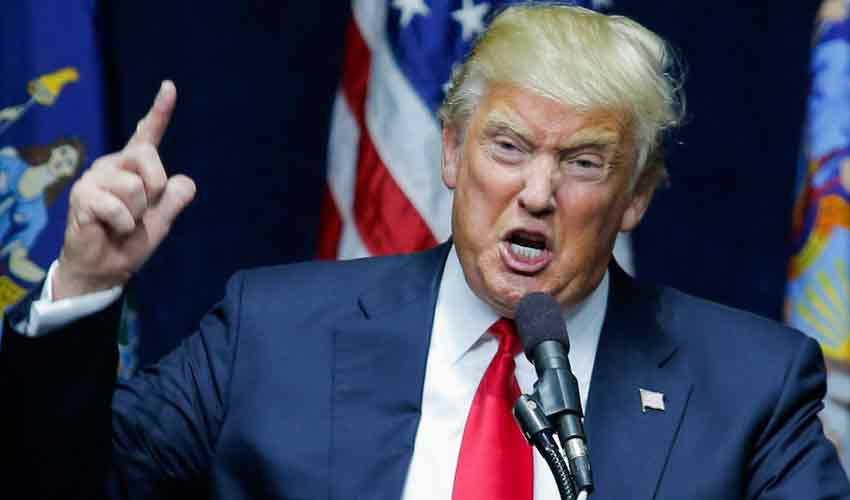
US President Donald Trump has suggested that once the United States concludes its ongoing military operations against Iran, Washington could shift its attention toward Cuba, raising fresh questions about future American foreign policy in the Western Hemisphere.
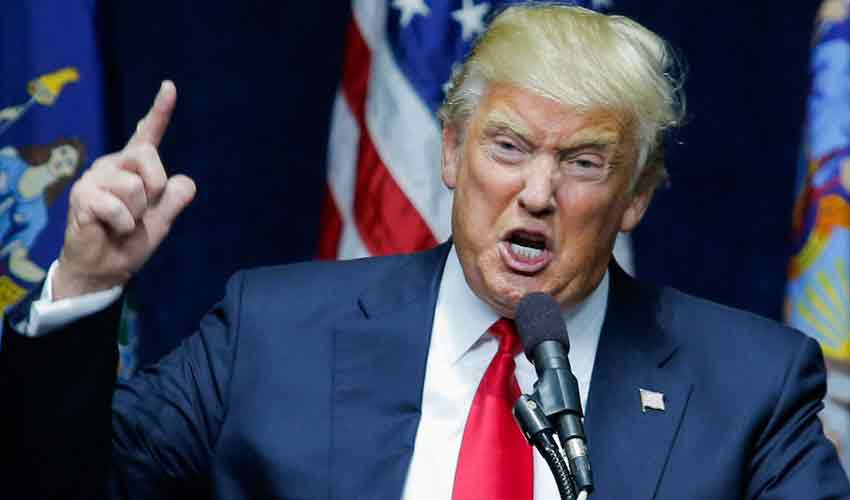
Speaking during a White House event this week, which also featured a celebration for Inter Miami CF—the Major League Soccer champions—Trump stressed that finishing the conflict in Iran is the current priority for his administration. But he added that “it will be just a question of time before… you’re going back to Cuba.”
Trump Suggests Cuba Is Eager for a Deal
The president claimed Cuba is ready to “make a deal so badly,” hinting at potential diplomatic or strategic engagement once the situation in the Middle East stabilizes. Trump’s remarks referenced Washington’s broader goals toward Cuba, including longstanding tensions over the communist government in Havana.
Trump also pointed to the work of Secretary of State Marco Rubio, a Cuban‑American, saying Rubio has been doing a “fantastic job” on Cuban policy—a comment that underscores the administration’s focus on shifting priorities post‑Iran conflict.
What the Comments Signal
Although no formal policy shift has been announced, Trump’s remarks are being interpreted as a hint that Cuba could become a new target of U.S. diplomatic or political strategy once military operations in Iran conclude. Analysts note that the comments come amid heightened tensions in the Middle East and ongoing U.S. sanctions and pressure on the Cuban government, including energy blockades that have deepened economic strain on the island nation.
Much of the speculation stems from how Trump tied both international issues together during a relatively light‑hearted White House event honoring soccer achievements, blending domestic celebration with high‑stakes geopolitical commentary.
Cuba in the Crosshairs
Reports indicate that Cuba is already experiencing severe economic difficulties, partly due to a U.S. energy blockade imposed earlier this year, which has led to fuel shortages and transportation disruptions. Many in both Havana and abroad view Trump’s remarks as a sign that U.S. pressure could intensify or lead to renewed efforts aimed at regime change or negotiation with the Cuban government.
Republican allies and conservative commentators have cheered Trump’s suggestion of a tougher U.S. foreign‑policy stance, while critics argue it could escalate tensions in the region and divert attention from other pressing national issues.
As the U.S. continues its military campaign in Iran, Trump’s hint that Cuba could be next now adds another layer of geopolitical intrigue for foreign policy watchers and global markets alike.