
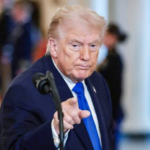


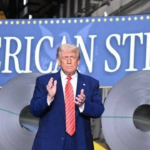
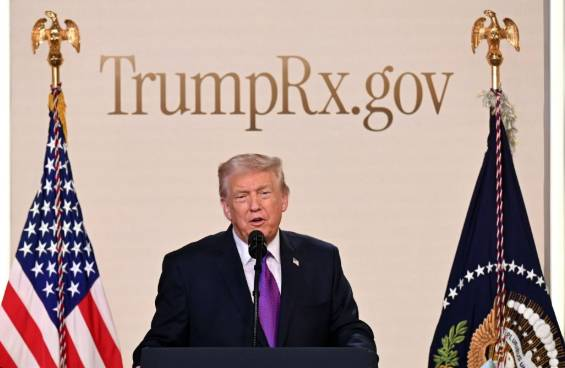
US President Donald Trump on Wednesday launched a fiery attack on Hollywood actor Robert De Niro, calling the Oscar-winning star “sick and demented” following his latest criticism of the administration.
De Niro, best known for iconic films like Taxi Driver and The Godfather, has long been a vocal opponent of Trump. In his recent podcast appearance on The Best People with Nicolle Wallace, the 82-year-old actor urged Americans to “resist” the president, saying:
“The story is our country, and Trump is destroying it, and who knows what his reasons are, but it’s sick. People have to resist, resist, resist, resist, resist. That’s the only way.”
Trump Fires Back
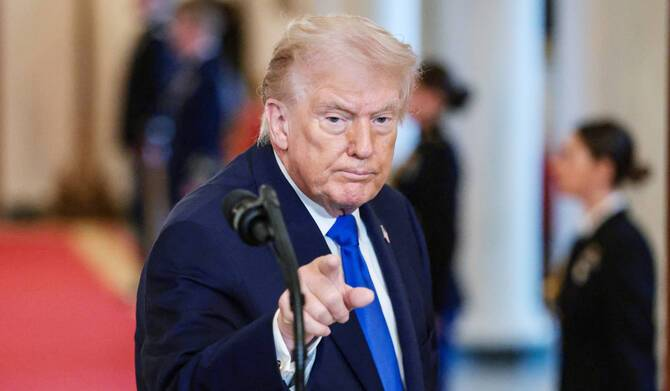
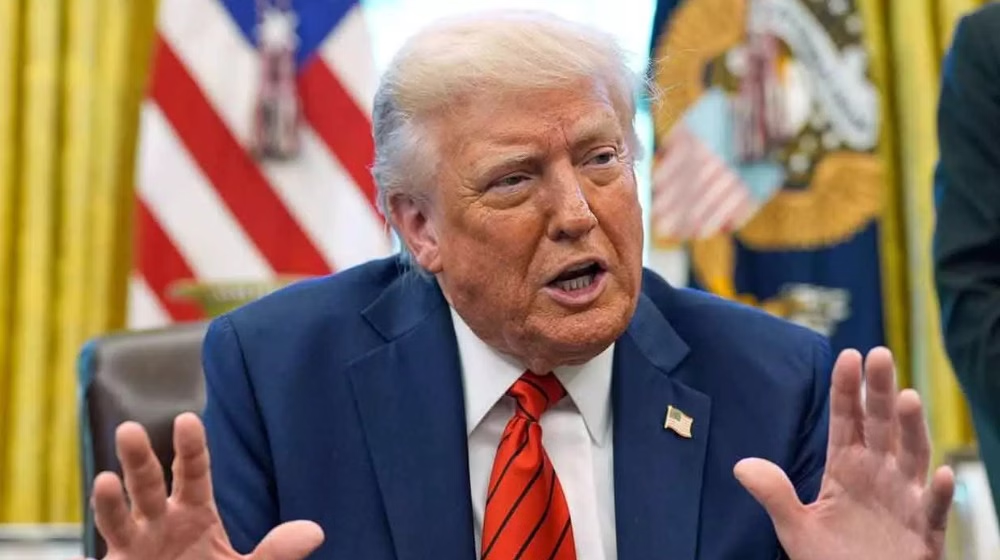
Responding on his social media platform Truth Social, Trump wrote a lengthy post targeting De Niro:
“Trump Deranged Robert De Niro, another sick and demented person with, I believe, an extremely Low IQ, who has absolutely no idea what he is doing or saying — some of which is seriously CRIMINAL!”
Trump’s post did not stop with the actor; he also singled out Democratic lawmakers Ilhan Omar and Rashida Tlaib, continuing his pattern of combative rhetoric against political and cultural critics.
De Niro’s History of Criticism
De Niro has repeatedly used his public appearances to voice opposition to Trump. At the Cannes Film Festival last year, he criticized the president during his lifetime achievement award speech, calling him a “philistine” and warning about what he views as the administration’s negative impact on American society.
Political commentators note that the clash is part of a broader trend where Trump regularly engages in social media feuds with high-profile critics, often amplifying media attention around cultural and political disputes.
Cultural and Political Impact
The exchange highlights the ongoing intersection of Hollywood and politics, with major entertainers like De Niro taking strong stances against the president, while Trump leverages these attacks to rally his base. Analysts suggest that these public feuds serve as both a cultural flashpoint and a political messaging tool, reinforcing the highly polarized environment in the United States.
The confrontation also underscores the tension between celebrity influence and political authority, as well as the ways social media platforms are used to amplify personal attacks in modern American politics.