Washington, D.C. – US President Donald Trump has expressed renewed optimism that a peace deal with Iran may be within reach, even as continued Israeli strikes in Lebanon threaten to undermine a fragile ceasefire framework aimed at de-escalating the wider Middle East conflict.
The comments come at a critical moment, with diplomatic and military developments unfolding simultaneously across multiple fronts, including upcoming high-level talks led by US Vice President JD Vance in Pakistan.
Trump Says Iran Deal Is “Very Close”
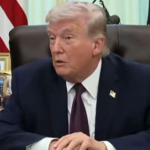
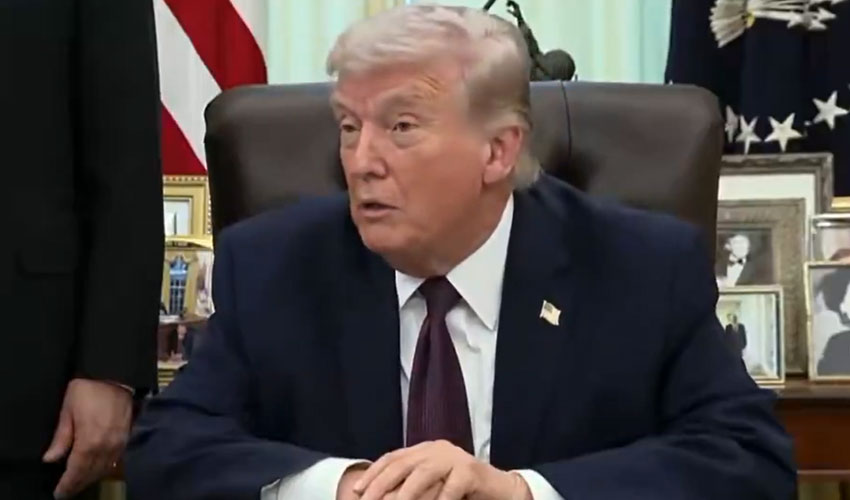
In a phone interview with NBC News, Trump said he is “very optimistic” that a breakthrough agreement with Iran could soon be reached, claiming that Tehran’s leadership has been more flexible in private negotiations than in public statements.
“They’re much more reasonable… they’re agreeing to all the things that they have to agree to,” Trump said, while warning that failure to reach a deal would carry severe consequences.
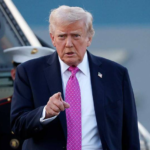
“If they don’t make a deal, it’s going to be very painful,” he added.
The US president also suggested that diplomatic momentum is building behind closed doors, even as public tensions remain high and military operations continue across the region.
JD Vance Heads to Pakistan for High-Stakes Talks
Diplomatic efforts are set to intensify as Vice President JD Vance prepares to travel to Pakistan for negotiations aimed at ending the ongoing US-Israeli conflict with Iran.
Officials describe the talks as a key step in attempting to stabilize the region, with Pakistan playing a mediating role between multiple stakeholders involved in the ceasefire discussions.
Despite the optimism, analysts caution that the situation remains highly unstable due to continuing military activity on several fronts.
Israel Continues Strikes in Lebanon Despite Ceasefire Pressure
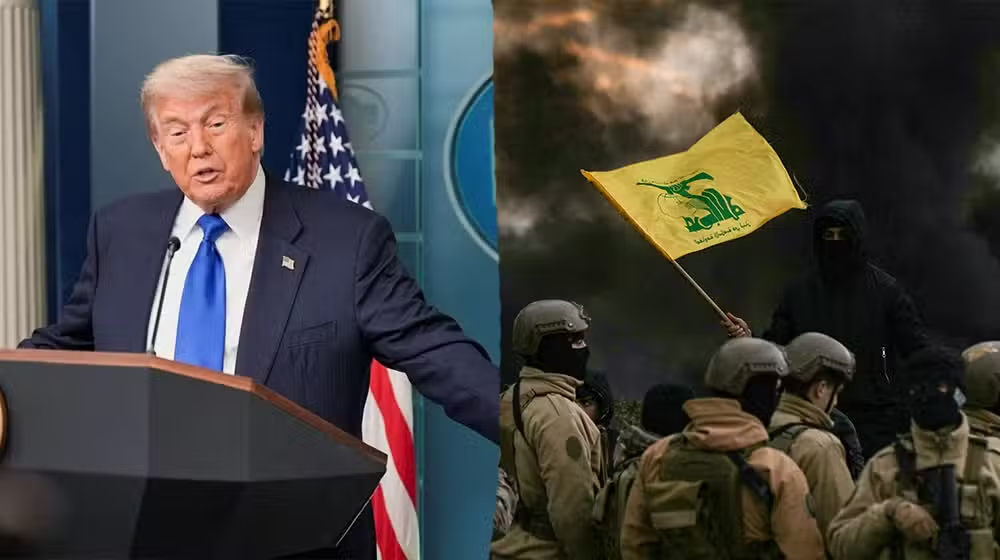
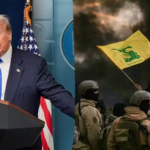
Even as ceasefire diplomacy advances, Israel has continued military strikes in southern Lebanon, targeting Hezbollah positions. The operations have raised concerns that the broader de-escalation effort could collapse if fighting continues outside the main Iran-related agreement.
Trump reportedly spoke directly with Israeli Prime Minister Benjamin Netanyahu, urging restraint.
“I spoke with Bibi and he’s going to low-key it… we have to be sort of a little more low-key,” Trump said, referencing efforts to reduce escalation and support ongoing negotiations.
Vice President Vance also echoed calls for restraint, suggesting Israel may need to “check themselves a little bit” in Lebanon as diplomatic talks progress.
Netanyahu Signals Talks but Maintains Military Pressure
Israeli leadership has indicated openness to diplomacy while continuing military operations. Netanyahu confirmed that Israel is prepared for direct negotiations with Lebanon, but stressed that operations against Hezbollah would not stop immediately.
“I insisted that the temporary ceasefire with Iran not include Hezbollah,” Netanyahu said, adding that Israel would continue striking the group “forcefully.”
He also described US-Israel relations under Trump as transformative, saying the partnership is “changing the face of the Middle East.”
Iran Pushes Lebanon Condition in Ceasefire Talks
Iranian officials have also weighed in on the escalating situation, emphasizing that stability in Lebanon is essential for any lasting regional agreement.
President Masoud Pezeshkian and Parliament Speaker Mohammad Baqer Qalibaf both stressed that attacks on Lebanon must stop for the ceasefire framework to hold.
Their remarks highlight the interconnected nature of the conflict, where developments in Lebanon, Iran, and the broader Gulf region remain tightly linked despite ongoing diplomatic efforts.
Ceasefire Under Strain as Regional Stakes Rise
With negotiations underway and military operations continuing, the Middle East remains in a highly volatile phase. While Trump projects confidence in an imminent breakthrough, continued strikes in Lebanon and unresolved disagreements among key parties underscore how fragile the path to peace remains.