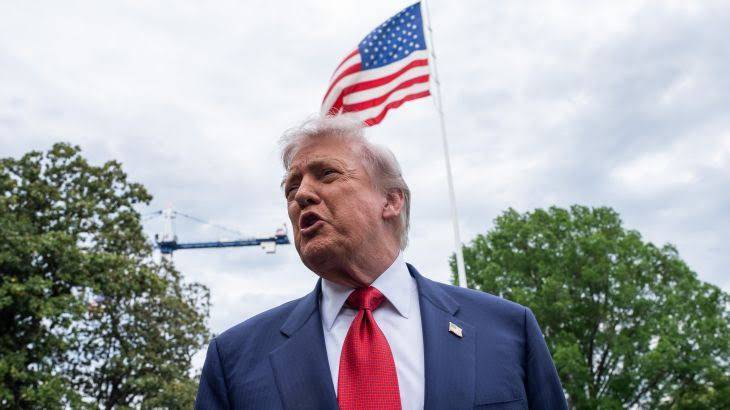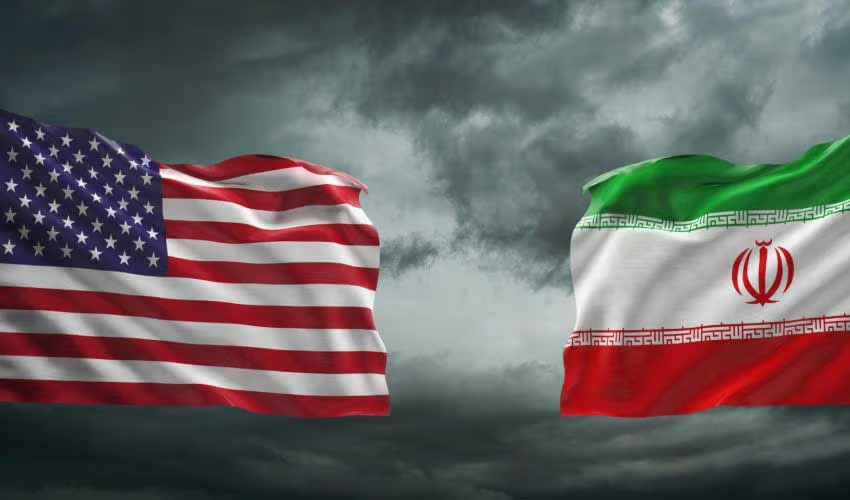
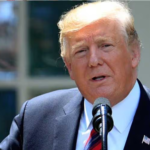
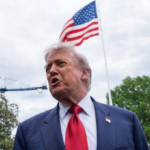
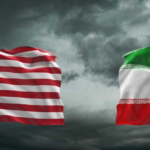
President Donald Trump says he expects the conflict between the United States and Iran to end soon, while declining to rule out additional American military strikes before the US midterm elections.
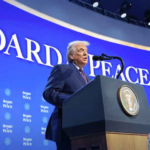
Trump made the comments during an interview with Fox News and later while attending the PGA Tour Presidents Cup. He said the United States was succeeding through both military action and economic pressure, while again insisting that Iran must not be allowed to obtain a nuclear weapon.
The president also linked the eventual end of the conflict to global energy prices, predicting that oil prices could fall significantly once fighting stops.
Trump Predicts Lower Oil Prices After War
Trump said he believed the United States would “win” the war in the near future and argued that the end of hostilities would have an immediate effect on the oil market.
According to Trump, crude oil prices could fall substantially and return toward levels seen before the conflict began.
His comments come as continued tensions involving Iran and the broader Middle East have created uncertainty for energy markets. The region is home to some of the world’s most important oil-producing countries and shipping routes.
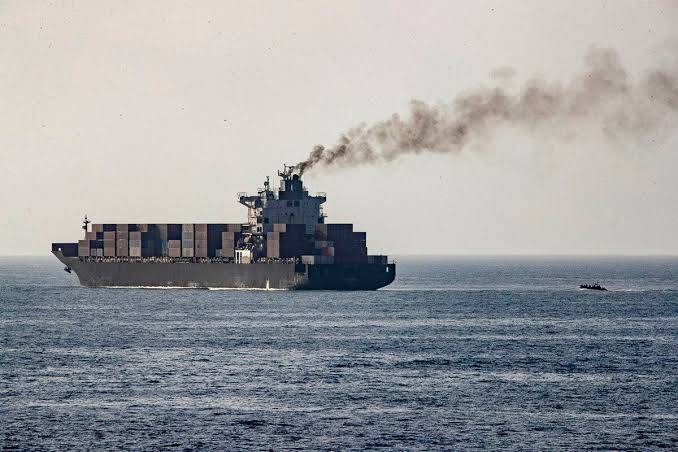
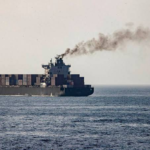
The Strait of Hormuz has been a particular focus during the conflict because of its role in transporting crude oil and petroleum products to international markets.
Trump Says US Has Military Advantage
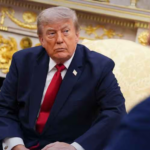
During his Fox News interview, Trump was asked whether Washington was gaining the upper hand through military operations or economic pressure.
He said the United States was succeeding on both fronts.
Trump claimed that the US had already achieved what he described as a military victory, although he emphasized that this did not mean American military activity had necessarily stopped.
The president also described Iran’s economy as being under severe strain.
Trump claimed that Iran was experiencing extremely high inflation and said the country’s currency had lost much of its value. He cited an inflation figure approaching 300 percent, while acknowledging that the figure he had heard could be as high as 318 percent.
Trump attributed Iran’s economic difficulties to the pressure campaign being applied by Washington.
He also claimed that Iran’s military capabilities had suffered extensive damage, pointing to the country’s economy, currency and armed forces as evidence of the impact of US actions.
Additional US Strikes Remain Possible
Trump was also questioned about whether the United States could conduct additional strikes against Iran before the upcoming midterm elections.
Rather than ruling out military action, the president said further strikes were possible but declined to provide details.
Trump did not say when additional operations might take place or what circumstances could trigger another round of attacks.
His comments leave open the possibility of continued US military activity as Washington maintains pressure on Tehran.
The issue is particularly significant because Trump has previously discussed the possibility of negotiations with Iran while simultaneously demanding major changes to Tehran’s nuclear and regional policies.
Iran’s Nuclear Program Remains Central
Trump again emphasized that preventing Iran from obtaining a nuclear weapon remains a central US objective.
He described nuclear deterrence as a key part of the conflict and said Iran would not be permitted to acquire a nuclear weapon.
Trump also claimed that Iran’s nuclear capabilities had been destroyed and argued that the situation no longer presented the same level of concern.
Iran has maintained its own position regarding its nuclear activities, while negotiations between Tehran and Washington have repeatedly faced disagreements over sanctions, nuclear restrictions, security guarantees and regional issues.
Operation Economic Outcast and Iran’s Economy
Trump referred to the US economic pressure campaign as Operation Economic Outcast, presenting it alongside military operations as part of Washington’s broader strategy toward Tehran.
The administration has sought to restrict Iran’s access to international markets and reduce revenue from energy exports.
Trump said the economic campaign had severely weakened Iran’s financial position.
The president’s statements also connect the economic pressure campaign with his broader argument that Washington has significant leverage over Tehran.
Meanwhile, the conflict continues to affect international concerns over energy supplies, shipping routes and oil prices.
Developments around the Strait of Hormuz remain particularly important because disruptions there can affect crude shipments and global energy markets.