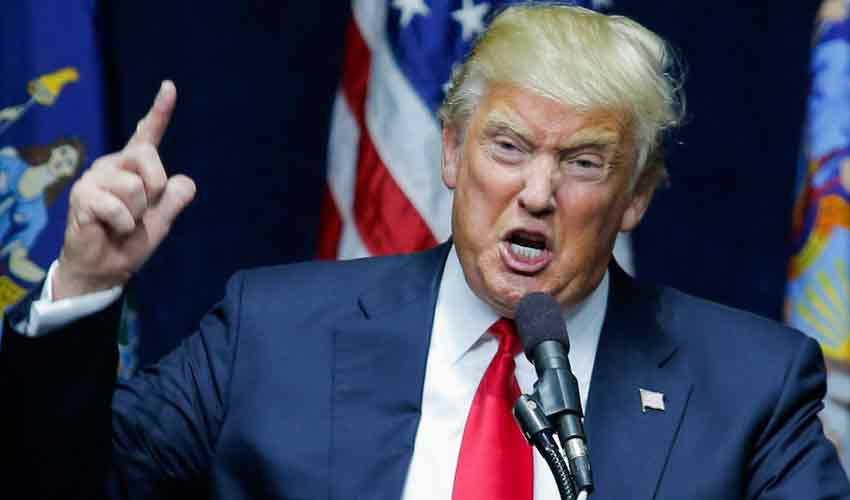


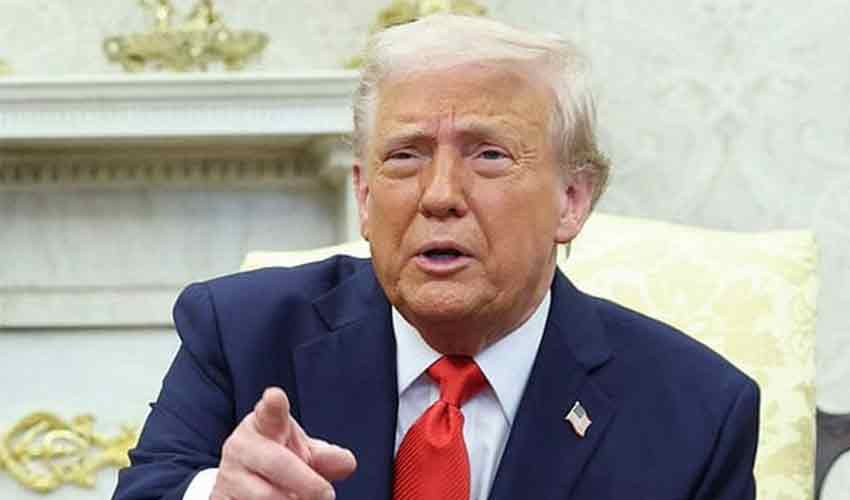
U.S. President Donald Trump indicated that he could be open to talks with Iran, depending on the terms, while sharply criticizing the country’s newly appointed supreme leader, Mojtaba Khamenei. The comments came amid ongoing military strikes targeting Iranian nuclear facilities and escalating tensions across the Middle East.
In an interview with Fox News on Monday evening, Trump said he had heard that Tehran “wanted to talk badly” and that he might consider negotiations under conditions favorable to U.S. interests. However, he emphasized that any potential discussions would be contingent on Iran accepting terms aligned with American priorities.
“We could talk, but only if it benefits the United States and ensures Iran no longer poses a threat,” Trump said, highlighting the administration’s uncompromising stance on Iranian nuclear ambitions.
Criticism of Mojtaba Khamenei
Trump strongly criticized the appointment of Mojtaba Khamenei following the killing of his father, Ayatollah Ali Khamenei, in recent Israeli strikes. He described the selection as “a big mistake” and suggested he would have preferred a leader capable of fostering “harmony and peace” in Iran.
While previously hinting at wanting influence over Iran’s next leadership, Trump provided no specifics on potential U.S. involvement, instead focusing on the military successes of ongoing operations.
Military Successes and Regional Tensions
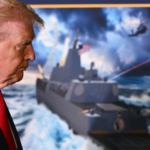
Trump claimed that U.S. military strikes in Iran had produced results “way beyond expectation”, even as Iranian missile and drone attacks targeted Gulf countries. The administration has repeatedly stressed that its goal is Iran’s “unconditional surrender” and the elimination of any threats to U.S. security.
White House Press Secretary Karoline Leavitt reiterated that success would be achieved when Iran “no longer poses a threat to the United States of America.” Trump defended previous strikes on Iranian nuclear sites, citing Tehran’s refusal to abandon its nuclear ambitions.
Impact on Energy Markets
The conflict has disrupted oil production and shipping across the Middle East, with gasoline prices in the U.S. rising nearly 17% since February 28, 2026. Tensions in the Strait of Hormuz, a critical global energy route, continue to threaten tanker operations and maritime security, raising concerns for global energy markets.
The president’s remarks suggest that while military pressure remains a priority, negotiations with Iran could be considered if the terms serve U.S. strategic interests, signaling a possible shift in the ongoing conflict’s approach.