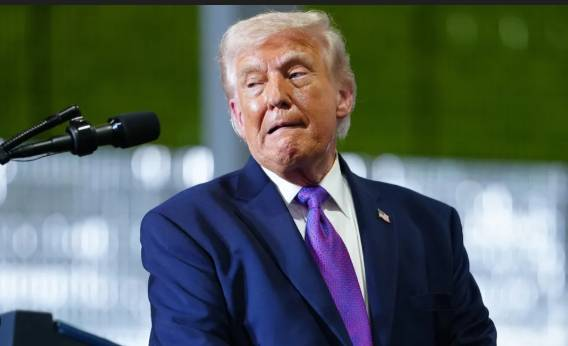
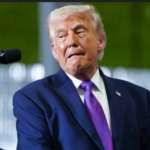

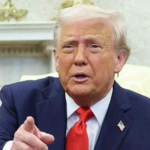
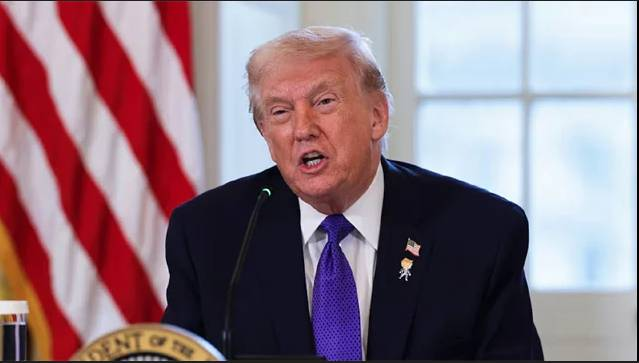
Washington, D.C. — US President Donald Trump announced Monday that he is raising tariffs on South Korean goods, including automobiles, lumber, and pharmaceuticals, from 15% to 25%. The move comes amid accusations that South Korea has failed to implement a previously agreed-upon trade deal with the United States.
“South Korea’s Legislature is not living up to its Deal with the United States,” Trump said in a statement on his Truth Social platform. He added that the increase was necessary because “the Korean Legislature hasn’t enacted our Historic Trade Agreement, which is their prerogative.”
Seoul Scrambles to Respond
South Korea’s presidential office confirmed that it had not been informed in advance about the tariff hike. In response, Seoul convened an emergency meeting on Tuesday, with Trade and Industry Minister Kim Jung-kwan participating remotely from Canada.
“Our government intends to convey its commitment to implementing the tariff agreement to the US side, while responding in a calm and measured manner,” the statement read. Plans are underway for Minister Kim to travel to Washington to meet with US Commerce Secretary Howard Lutnick for further discussions.
A Deal in Limbo
The Trump administration’s decision marks a sharp pivot following a trade and security deal signed with South Korea last October. The agreement, finalized after a meeting between Trump and South Korean President Lee Jae Myung, included promises of South Korean investment and US tariff cuts, particularly lowering car tariffs from 25% to 15%.
However, the deal has been stalled in South Korea, with the presidential office insisting it does not require parliamentary approval, as it is considered a memorandum of understanding rather than a legally binding treaty.
A senior official confirmed on Tuesday that authorities were reviewing whether the trade pact had been formally submitted to parliament but declined to provide further details.
Impact on South Korea’s Exports
South Korea’s automotive industry, which accounts for 27% of exports to the US, could face serious setbacks if tariffs return to 25%. Nearly half of South Korean car exports are shipped to the United States, and higher levies could weaken the country’s competitiveness compared with Japan and the European Union, both of which maintain 15% US tariffs on cars.
Trump’s Trade Offensive Continues
This latest tariff escalation is part of a broader trend of aggressive trade actions from President Trump. Over the weekend, he threatened Canada with a 100% tariff on goods if it finalized a trade deal with China. Earlier in January, European nations faced potential tariffs over unresolved Greenland negotiations, though Trump later softened that stance.
The US administration has not yet issued formal notices to implement the new tariffs, leaving South Korea and global markets closely monitoring potential developments.