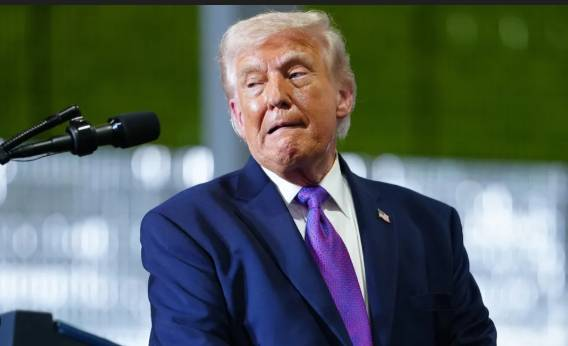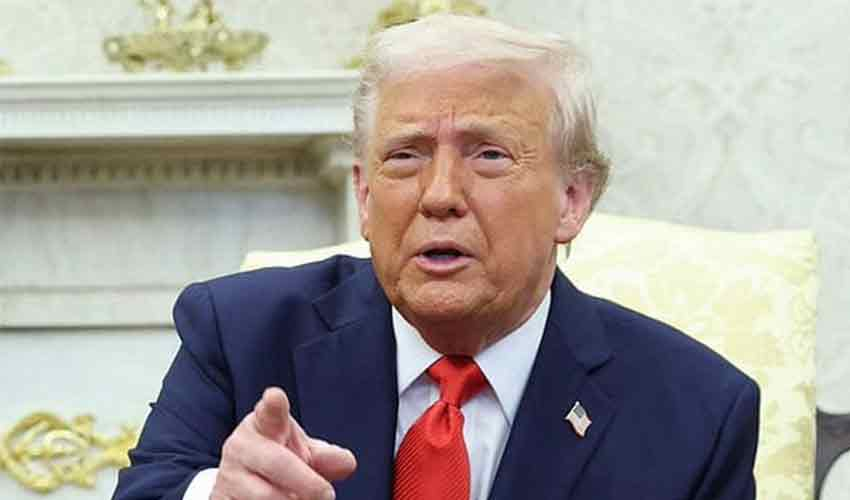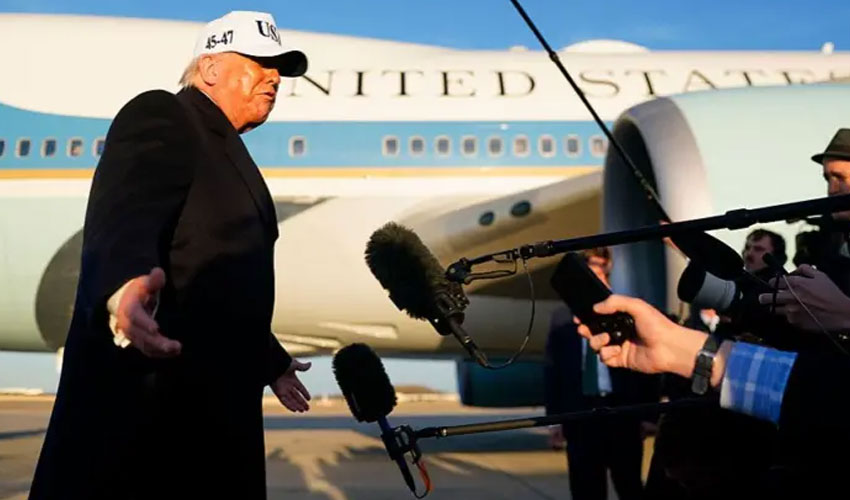

The United States government has introduced a new security bond requirement for visa applicants from 12 additional countries, as part of broader immigration measures under the administration of Donald Trump.
The visa bond, which can range from $5,000 to $15,000, is aimed at ensuring applicants comply with U.S. entry rules and return home after their visit. The requirement applies primarily to B-1 (business) and B-2 (tourist) visa applicants.
Tiered Bond System
The bond amount will be set in three tiers during the visa interview process:
- $5,000 – for low-risk applicants
- $10,000 – for moderate-risk applicants
- $15,000 – for high-risk applicants, as determined by consular officers
The U.S. Department of State emphasized that this measure is part of ongoing efforts to strengthen immigration security and ensure compliance with visa regulations.
Impact on Visa Applicants
The expanded bond requirement is expected to affect travelers from countries that have been identified as higher risk for overstaying or violating visa conditions. Applicants will need to pay the bond prior to visa approval, which will be refunded upon lawful completion of their stay.
Officials note that this policy is not a blanket denial of entry but rather a mechanism to mitigate potential immigration risks.
Context
This latest policy follows a series of immigration measures aimed at tightening U.S. borders, particularly for temporary visitors. Observers say the bond requirement may increase scrutiny of visa applicants and add financial barriers for some travelers.
Critics argue that such measures could discourage tourism and business travel while disproportionately affecting individuals from certain regions.