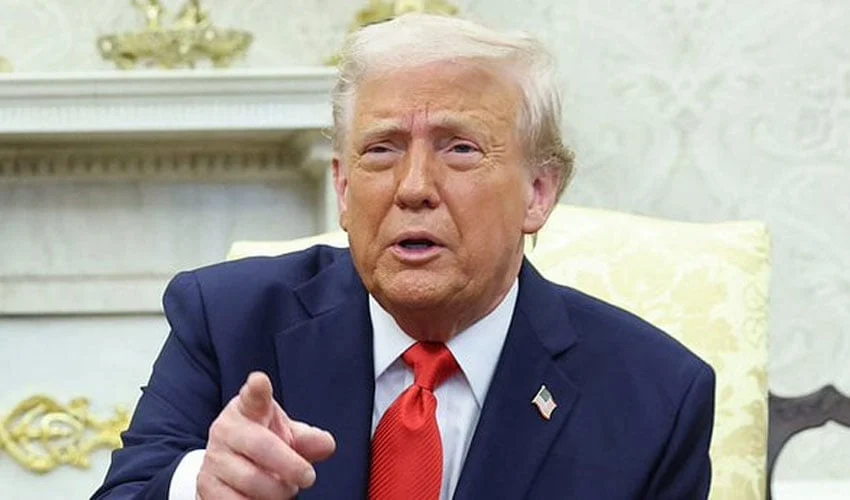



Washington, D.C. — The US Supreme Court on Wednesday struck down former President Donald Trump’s sweeping global tariffs, ruling that he exceeded his authority by using an emergency law not intended for broad trade measures.
In a 6-3 decision, the court underscored that the power to impose tariffs primarily rests with Congress, not the president, marking a major setback for Trump’s unilateral trade policies.
“The law invoked by the former president does not authorize the imposition of tariffs,” Chief Justice John Roberts wrote for the majority.
Background
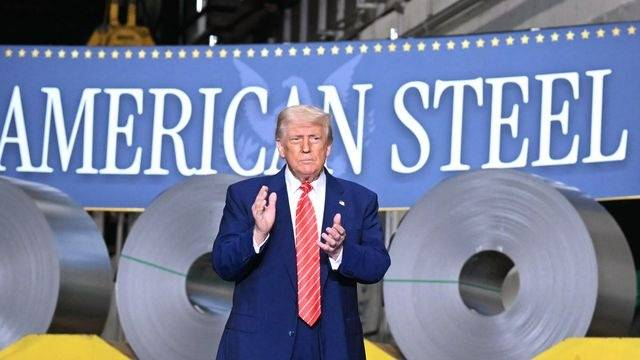
Trump’s tariffs, introduced during his second term, imposed duties on hundreds of billions of dollars of imports from allies and trading partners, including the European Union, Canada, and China. The measures were part of his “America First” trade strategy, aimed at protecting domestic industries and reducing trade deficits.
Critics argued the tariffs violated the Constitution’s separation of powers by circumventing Congress, which holds primary authority over trade and tariffs. Businesses across the US had also criticized the tariffs for raising costs, disrupting supply chains, and straining international trade relationships.
Legal and Economic Implications
The Supreme Court’s ruling sets a precedent limiting presidential authority to impose trade measures without legislative approval. Experts say the decision could:
- Prevent future presidents from unilaterally imposing wide-ranging tariffs using emergency powers.
- Strengthen Congressional oversight of trade policy.
- Potentially roll back some ongoing tariffs or prompt renegotiations with trading partners.
Economists also note that US importers and manufacturers could see relief as the ruling may lead to lower costs on previously tariffed goods.
Dissenting Opinion
The three dissenting justices argued that presidents have historically used emergency powers to respond to national economic threats, and Trump’s actions fell within that scope.
However, the majority opinion emphasizes that emergency laws were never intended to function as general trade instruments, ensuring that Congress retains its constitutional role in regulating commerce.