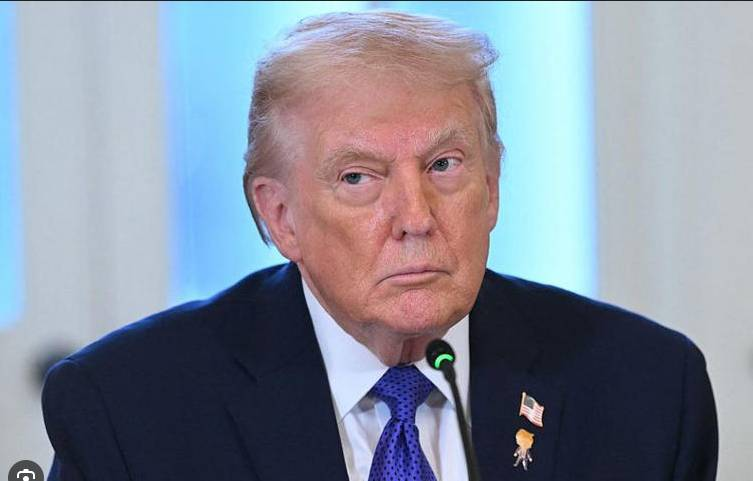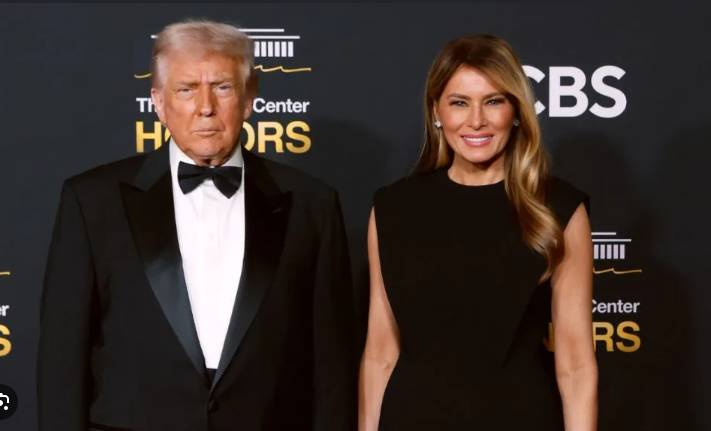


WASHINGTON, D.C. — Venezuelan opposition leader Maria Corina Machado says she personally presented her Nobel Peace Prize medal to former U.S. President Donald Trump, describing the moment as emotional and symbolic amid rapidly shifting U.S. policy toward Venezuela.
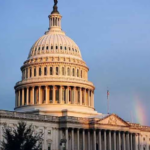
Machado made the remarks after a high-profile visit to Washington that included a private lunch with Trump at the White House and meetings with members of Congress. Speaking to reporters outside the U.S. Capitol, she said the gesture was meant to honor Trump’s role in what she called the fight for Venezuelan freedom.
“I presented the president of the United States the medal of the Nobel Peace Prize,” Machado said. “It was recognition for his unique commitment to our freedom.”
Trump later praised the move on social media, calling it a “wonderful gesture of mutual respect.” The exchange drew attention because Trump has repeatedly argued that he should have received the Nobel Peace Prize himself, citing his claims of stopping multiple global conflicts.
Nobel Medal Raises Legal and Diplomatic Questions
It remains unclear whether Trump accepted or kept the medal following the closed-door meeting. The Norwegian Nobel Committee has long maintained that Nobel medals cannot be transferred, making the presentation largely symbolic rather than official.
Machado won the 2024 Nobel Peace Prize after years of leading opposition to former Venezuelan President Nicolás Maduro, whose government she accused of election fraud and widespread repression. She collected the award in Oslo last month after a dramatic escape from Venezuela by boat.
At the ceremony, Machado dedicated her Nobel Prize to Trump, a move that surprised many international observers and signaled her desire to secure Washington’s backing.
Trump Chooses a Different Venezuelan Partner
Despite Machado’s outreach, Trump has so far chosen to work with Venezuela’s vice president, Delcy Rodríguez, a former Maduro loyalist now leading an interim government following the January 3 U.S. military operation that captured Maduro.
The White House confirmed that Trump and Rodríguez spoke by phone earlier this week, with officials saying the former president “likes what he’s seeing” from Venezuela’s current leadership, particularly regarding cooperation on oil exports.
Trump has publicly questioned Machado’s level of support inside Venezuela, suggesting she lacks the political base needed to stabilize the country despite her popularity among exiles and Western governments.
Oil, Power, and U.S. Strategy in Venezuela
Since Maduro’s capture, the United States has tightened its grip on Venezuela’s energy sector. Trump has said the U.S. will effectively “run” Venezuela for now, using naval pressure, tanker seizures, and oil negotiations to secure strategic interests.
On Thursday, U.S. forces seized a sixth Venezuelan oil tanker, part of an expanding campaign to control the flow of crude from the oil-rich nation. A U.S. official also confirmed that the first U.S.-brokered sale of Venezuelan oil, valued at approximately $500 million, has been finalized.
Rodríguez announced plans for legal reforms to Venezuela’s oil industry that could allow more foreign involvement, though details remain limited.
Opposition, Prisoner Releases, and Regional Fallout
Machado, who has campaigned for years against Maduro’s socialist government, was greeted by cheering supporters as she exited the White House. White House Press Secretary Karoline Leavitt described her as “a remarkable and brave voice for many of the people of Venezuela.”
While Trump has said he hopes Venezuela will hold elections “one day,” the administration has not provided a timeline.
Washington has welcomed the recent release of dozens of political prisoners, though human rights groups say hundreds remain detained.
The regional consequences of Maduro’s removal continue to unfold. In Cuba, officials held a ceremony honoring 32 soldiers killed during the U.S. operation, some of whom were assigned to Maduro’s security detail. Former Cuban leader Raúl Castro attended the tribute.