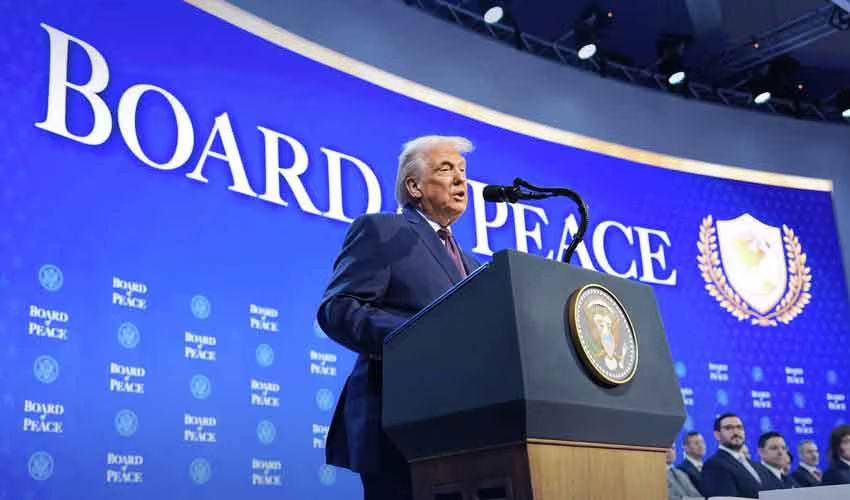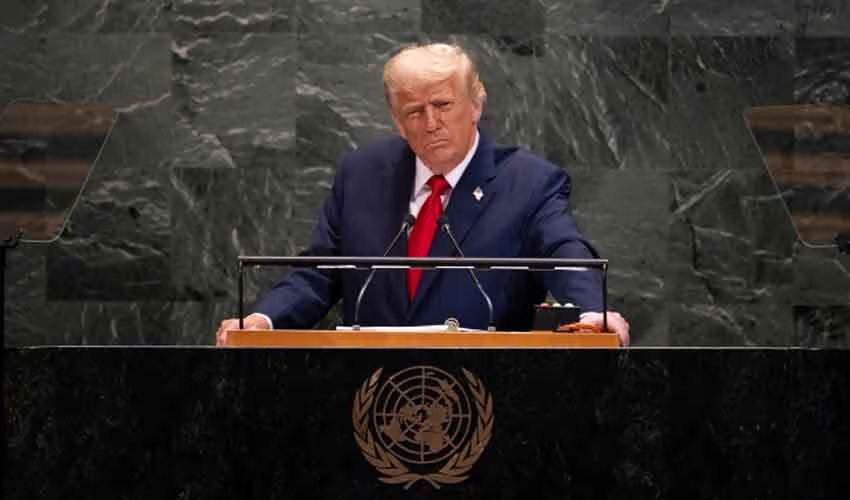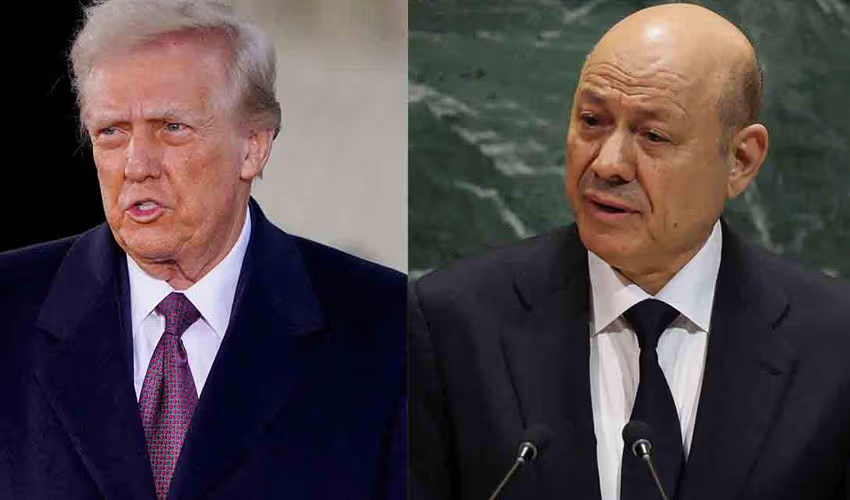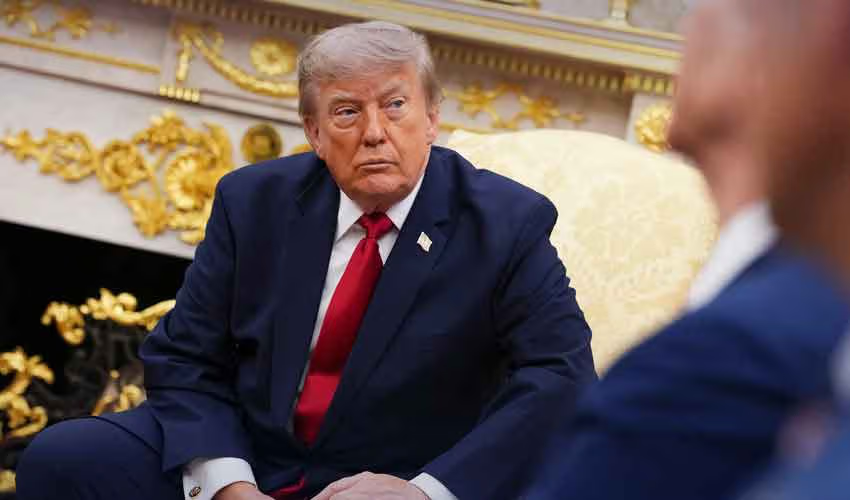
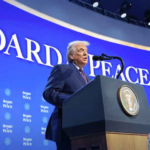
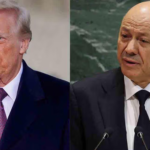
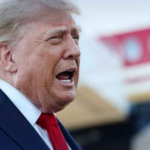
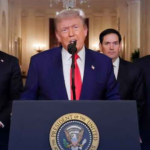

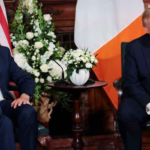

WASHINGTON / DAVOS — US President Donald Trump has threatened to impose 200 percent tariffs on French wine and champagne, sharply escalating trade tensions with Europe while openly pressuring French President Emmanuel Macron to join a US-led diplomatic project known as the Board of Peace.
Speaking to reporters, Trump linked the tariff threat directly to Macron’s apparent refusal to participate in the initiative, which the White House says is intended to resolve major global conflicts, beginning with Gaza and potentially expanding worldwide. The proposal has raised concerns among diplomats about overlapping with or undermining the role of the United Nations.
“He’ll join, but he doesn’t have to join,” Trump said, adding that a massive tariff on French wine and champagne would be imposed regardless. He also dismissed Macron’s political future, claiming the French leader would be “out of office very soon.”
Macron Keeps Distance as Davos Meetings Loom
Macron is scheduled to attend the World Economic Forum in Davos on Tuesday before returning to Paris the same evening. According to officials at the Élysée Palace, there are no plans for him to extend his stay, despite Trump’s own arrival in Davos the following day. A source close to Macron said the French president intends to decline the invitation to join Trump’s Board of Peace.
Trump intensified his criticism by publicly sharing what he described as a private message from Macron questioning US actions over Greenland, an issue that has already unsettled European allies. France is set to hold a presidential election in 2027, when Macron’s second and final term ends.
Trade Pressure Part of Broader EU Confrontation
The tariff threat is the latest salvo in Trump’s broader dispute with the European Union. At present, wines and spirits exported from the EU to the United States face a 15 percent tariff, a level French officials and industry leaders have been pushing to reduce to zero since Trump and European Commission President Ursula von der Leyen reached a trade understanding last summer.
The United States remains the largest export market for French wine and spirits, with shipments totaling €3.8 billion in 2024. Industry leaders warn that a 200 percent tariff would devastate producers and distributors on both sides of the Atlantic.
Gabriel Picard, chairman of France’s wine and spirits export group FEVS, said the sector had already suffered a 20 to 25 percent decline in US activity in the second half of last year due to earlier trade measures.
French Government Pushes Back
French officials reacted sharply to Trump’s comments. An Élysée aide said Paris took note of the remarks but stressed that using tariffs to influence another country’s foreign policy was unacceptable.
French Agriculture Minister Annie Genevard described the threat as “brutal,” accusing Washington of economic blackmail. Speaking on TF1, she said Europe must be prepared to respond decisively.
“We have the tools. Europeans must take responsibility,” Genevard said, adding that the EU cannot allow further escalation without consequences.
European governments are reportedly considering a €93 billion tariff response, as well as possible use of the bloc’s Anti-Coercion Instrument, a powerful trade defense mechanism designed to counter economic pressure from foreign powers.
Board of Peace Raises Diplomatic Concerns
Trump’s proposed Board of Peace has been met with caution across Europe and beyond. Diplomats say the plan could complicate existing international frameworks and weaken multilateral institutions. A draft charter circulated by the US administration reportedly asks member countries to contribute $1 billion in cash for memberships extending beyond three years.
Trump has previously floated similar tariff threats against European alcohol imports, including in March last year, when transatlantic trade relations were already strained.
As Macron and other European leaders weigh their next steps, the dispute underscores how trade policy, diplomacy, and geopolitics are becoming increasingly intertwined under Trump’s renewed confrontational approach.