

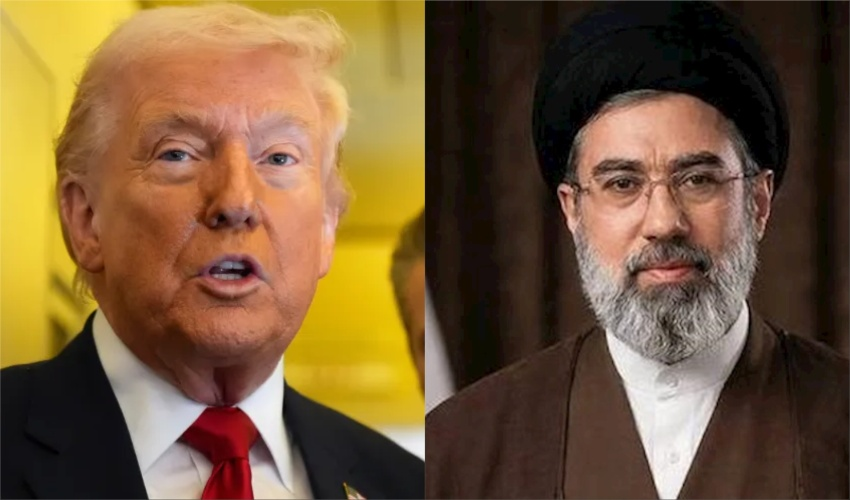
Trump Reviews Long-Term Iran Port Blockade Strategy With Energy Leaders
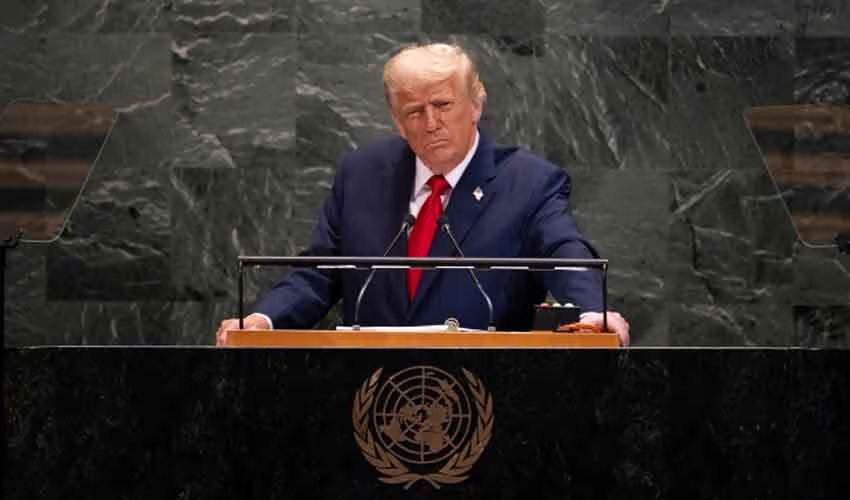
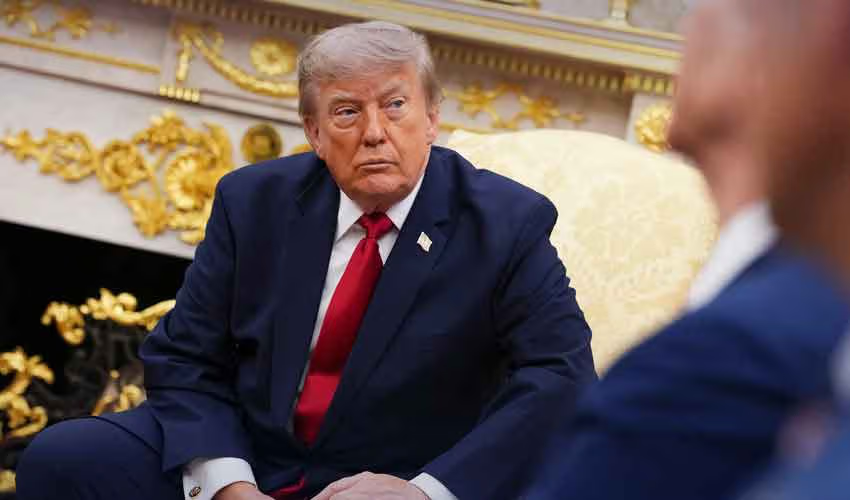
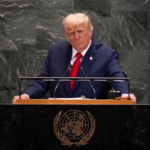
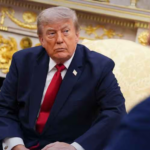
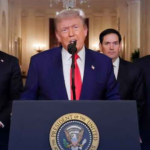
U.S. President Donald Trump has held discussions with major oil industry executives about managing the economic impact of a potential months-long blockade of Iranian ports, according to a White House official.
The talks, which reportedly took place on Tuesday, focused on stabilizing global energy markets while Washington continues its pressure campaign against Tehran over the ongoing conflict and nuclear tensions.
The White House official said the discussions included “steps to alleviate global oil market disruption” while maintaining pressure on Iran’s oil exports through a sustained maritime blockade strategy.
US Pushes for International Support in Strait of Hormuz Operations
Amid rising tensions, the United States is reportedly urging allied nations to assist in reopening and securing the Strait of Hormuz, a critical global shipping lane through which a large portion of the world’s oil supply flows.
According to diplomatic communications cited in reports, Washington is proposing the formation of a multinational maritime initiative designed to coordinate shipping protection, intelligence sharing, and sanctions enforcement.
The initiative, described as the “Maritime Freedom Construct,” would aim to ensure safe passage for commercial vessels while maintaining pressure on Iran’s maritime operations.
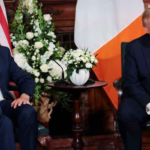
European allies including France and the United Kingdom have reportedly shown cautious interest but emphasized that any involvement would depend on de-escalation of active hostilities.
Iran Threatens Continued Disruption of Oil Shipping Routes
Iran has responded by warning it will continue to disrupt shipping through the Strait of Hormuz as long as it remains under military and economic pressure.
Tehran’s position underscores growing risks to global energy stability, as the Strait serves as a key chokepoint for international oil transportation.
Iranian officials argue that the blockade strategy represents economic warfare, while maintaining that the country will resist what it calls external coercion.
Oil Prices Surge as Markets React to Blockade Risk
Global oil markets reacted sharply to the escalating tensions, with prices rising more than 6% in a single trading session.
Benchmark Brent crude reached its highest level in a month, driven by fears that prolonged disruption of Iranian exports and shipping routes could significantly tighten global supply.
Energy analysts warn that continued instability in the Gulf region could keep prices volatile, particularly if maritime traffic remains restricted for an extended period.
Trump Expands Consultations on Economic and Military Options
According to U.S. officials, Trump has also been reviewing contingency strategies that combine economic pressure with potential military options.
A Pentagon briefing is expected to outline updated scenarios for the administration, including possible escalation paths if diplomatic negotiations remain stalled.
The administration has emphasized that Iran must abandon any nuclear weapons ambitions, while Tehran continues to insist its nuclear program is intended for civilian energy purposes.
Iran Faces Internal Economic Strain Amid Ongoing Conflict
Inside Iran, the prolonged conflict is taking a visible toll on the economy. Reports indicate the national currency has fallen to record lows, while inflation has surged sharply in recent months.
Human rights monitors have also raised concerns about domestic instability, citing arrests and executions linked to national security charges since the start of the conflict.
Economic pressure has intensified public uncertainty, with rising living costs and currency depreciation adding strain to an already fragile domestic situation.
Diplomatic Channels Remain Open Despite Stalled Talks
Despite heightened tensions, diplomatic backchannels remain active through mediators, including Pakistan, which has reportedly been facilitating indirect communication between Washington and Tehran.
Iran is said to be seeking a formal end to the conflict before addressing nuclear negotiations, while the United States insists nuclear discussions must begin immediately.
Both sides have exchanged proposals, but no agreement has been reached, and deadlines for responses remain fluid.
Strategic Strait of Hormuz Remains Global Flashpoint
The Strait of Hormuz continues to be one of the most strategically sensitive waterways in the world, with any disruption having immediate global economic consequences.
As tensions escalate, international observers warn that prolonged instability in the region could reshape global energy flows, increase shipping costs, and deepen geopolitical divisions between major powers.