
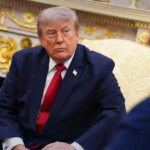
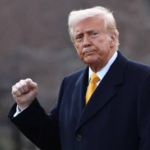
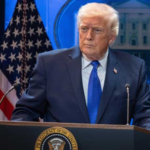
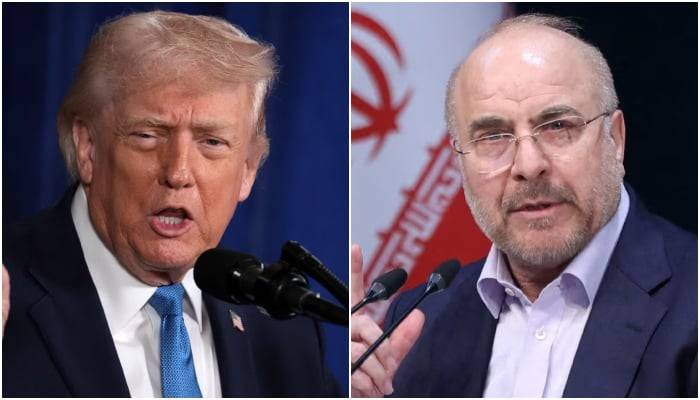
Washington / Islamabad / Muscat – US President Donald Trump has abruptly ordered American envoys to cancel their planned trip to Pakistan, halting a scheduled round of in-person discussions with Iranian representatives as diplomatic efforts to end the ongoing conflict continue to shift rapidly across multiple countries.
The decision comes at a critical moment in regional negotiations, with Iran’s Foreign Minister Abbas Araghchi already completing high-level meetings in Islamabad before departing for Oman, and later expected to travel to Russia as part of continued diplomatic outreach.
Trump Says Envoys Will Not Travel: “We Have All the Cards”
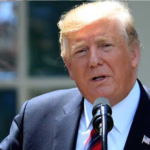
In comments to Fox News, Trump confirmed he instructed US negotiators not to proceed with the Pakistan visit, dismissing the need for extended talks abroad.
“I’ve told my people a little while ago they were getting ready to leave, and I said, ‘Nope, you’re not making an 18-hour flight to go there,’” Trump said.
“We have all the cards. They can call us anytime they want, but you’re not going to be making any more 18-hour flights to sit around talking about nothing.”
The remarks signal a more hardline negotiating posture from Washington, even as indirect diplomatic channels remain active through regional mediators.
Iran Foreign Minister Completes High-Level Talks in Islamabad
Earlier, Iranian Foreign Minister Abbas Araghchi concluded a series of meetings in Islamabad with Pakistan’s top leadership, including Prime Minister Shehbaz Sharif and Field Marshal Asim Munir.
According to Pakistani officials, discussions lasted nearly two hours and focused on the regional security situation, de-escalation efforts, and revival of US-Iran negotiations.
Prime Minister Shehbaz Sharif described the exchange as “warm and cordial,” stating that both sides discussed strengthening Pakistan–Iran bilateral relations and promoting regional stability.
Deputy Prime Minister Ishaq Dar said the talks emphasized the importance of dialogue and diplomacy in resolving ongoing tensions.
Pakistan’s Role as Diplomatic Bridge Expands
Pakistan continues to position itself as a key intermediary between Washington and Tehran. Officials in Islamabad say discussions remain active behind the scenes, with efforts focused on restarting stalled negotiations linked to the broader Middle East conflict.
Sources familiar with the process say Pakistan is helping facilitate communication channels even as direct US-Iran engagement remains uncertain.
Iranian officials have indicated that Islamabad could serve as a neutral bridge for proposals, rather than a final negotiation venue.
Iran Rejects Direct Talks With US Envoys
Despite US plans for high-level engagement, Iranian state media has reiterated that direct talks with American envoys are not currently planned.
Instead, Tehran has suggested that Islamabad may act as a conduit for exchanging proposals between the two sides, rather than hosting face-to-face negotiations.
This position contrasts with Washington’s earlier signals that emissaries Steve Witkoff and Jared Kushner would engage in direct discussions with Iranian representatives.
Ceasefire Holds Amid Fragile Regional Calm
A fragile ceasefire across parts of the region continues to hold, though tensions remain high. Israeli strikes in southern Lebanon were reported even as diplomatic efforts intensified, underscoring the volatility of the situation.
Meanwhile, Iran has maintained pressure in maritime zones, including restrictions around the Strait of Hormuz, a key global energy corridor that has become central to negotiations.
Global Stakes Rise as Energy and Markets React
The geopolitical uncertainty has had immediate global economic effects. Oil prices fluctuated as markets reacted to shifting diplomatic signals, while analysts warned that prolonged instability in the Strait of Hormuz could further disrupt global energy supply chains.
At the same time, financial markets showed mixed reactions, with some indices rising on hopes of renewed negotiations, while energy sectors remained volatile.
US Military Presence Expands in Region
The United States continues to maintain a significant military presence in the Middle East, including the deployment of multiple aircraft carrier strike groups. US Central Command confirmed increased naval capacity in the region, citing the need for strategic readiness amid ongoing tensions.
Uncertain Diplomatic Path Ahead
With US envoys now redirected and Iran continuing its diplomatic tour through Oman and Russia, the structure of negotiations remains fluid. While mediation efforts continue, no clear timeline has emerged for a formal US-Iran breakthrough.
For now, both sides remain engaged through intermediaries, even as direct talks face delays and strategic disagreements persist over maritime security, sanctions, and nuclear-related issues.