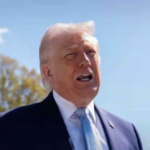
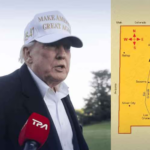
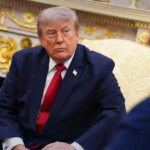
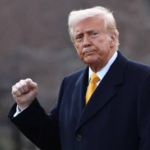
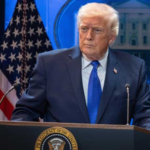
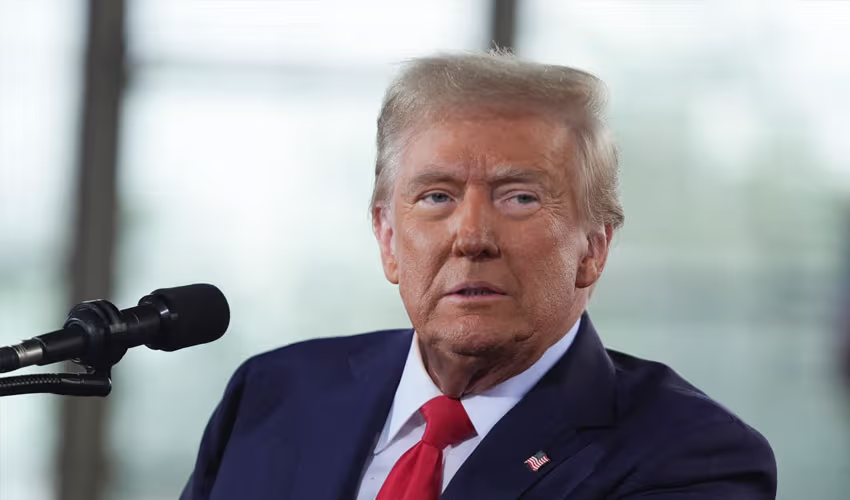
US President Donald Trump has made Saudi Arabia’s participation in the Abraham Accords a key condition for approving a proposed civilian nuclear cooperation agreement between Washington and Riyadh.
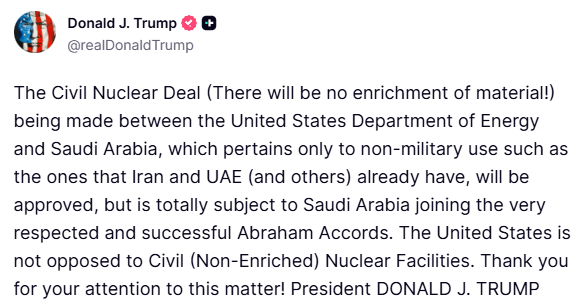
Trump said the United States is prepared to support Saudi Arabia’s nuclear energy plans but stressed that the programme must remain strictly peaceful and cannot include uranium enrichment capabilities that could potentially be used for developing nuclear weapons.
In a statement shared on social media, Trump said the agreement would focus only on civilian purposes, including electricity production and energy development. He made clear that Saudi Arabia would not be permitted to enrich uranium under any future nuclear cooperation framework with the United States.
“Saudi Arabia will not be allowed to enrich uranium,” Trump stated, adding that Washington supports civilian nuclear programmes only when they do not create pathways toward nuclear weapons development.
The announcement comes as the US and Saudi Arabia continue discussions over a long-term nuclear energy partnership aimed at expanding the kingdom’s energy sector and reducing dependence on traditional fossil fuels.
Saudi Nuclear Programme Must Remain Peaceful
Trump’s comments highlight Washington’s position that any nuclear cooperation with Saudi Arabia must include strict safeguards and international oversight.
The US president said peaceful nuclear technology can help countries meet growing energy demands, but nuclear agreements must prevent the spread of enrichment capabilities that could increase security risks in sensitive regions.
The proposed deal has attracted attention because Saudi Arabia is one of the Middle East’s most influential countries, and any expansion of its nuclear capabilities could have major geopolitical implications.
Trump also connected the nuclear agreement to Saudi Arabia joining the Abraham Accords, a US-backed initiative that established diplomatic relations between Israel and several Arab countries.
The Abraham Accords were launched during Trump’s first administration and resulted in normalization agreements between Israel and countries including the United Arab Emirates and Bahrain.
Israeli Officials Raise Security Concerns
The potential Saudi nuclear agreement has faced criticism from some Israeli political figures and former security officials who fear it could contribute to a regional nuclear competition.
Former Israeli Prime Minister Naftali Bennett called the possibility of Saudi uranium enrichment a serious strategic concern, warning that it could create long-term security challenges for Israel.
Former Israeli Defence Minister Avigdor Lieberman also criticized the proposal, arguing that a civilian nuclear programme could eventually create opportunities for military applications.
Lieberman urged Israeli officials to raise their concerns with members of the US Congress, which will have a role in reviewing any final nuclear cooperation agreement.
Another former Israeli defence minister, Benny Gantz, said any Saudi civilian nuclear programme should be connected with wider regional security arrangements and diplomatic progress with Israel.
US Congress Approval Still Needed
The United States and Saudi Arabia have been negotiating possible civilian nuclear cooperation for several years under both Republican and Democratic administrations.
While discussions have continued, the agreement cannot move forward without approval from the US Congress. Lawmakers are expected to examine issues including nuclear safeguards, regional security concerns, and commitments from Saudi Arabia.
The potential deal remains part of broader US efforts to strengthen relations with Saudi Arabia while encouraging diplomatic ties between Israel and Arab nations.
The outcome of negotiations could influence energy cooperation, Middle East diplomacy, and the future direction of nuclear technology partnerships in the region.