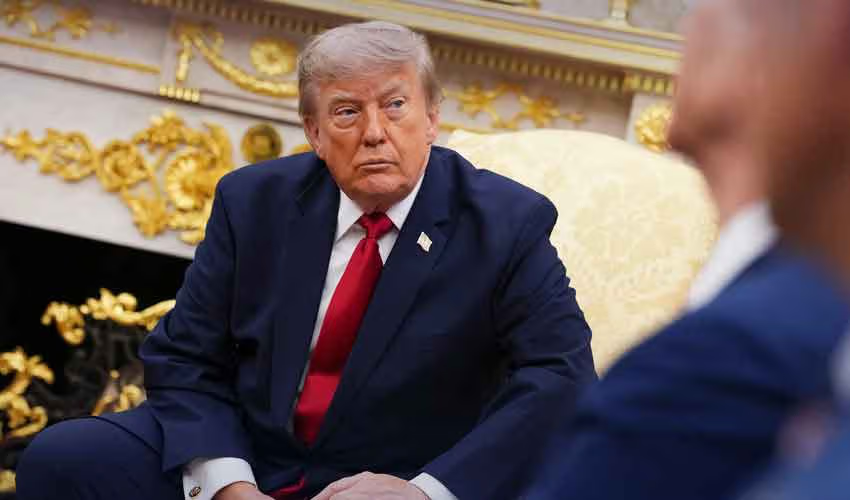
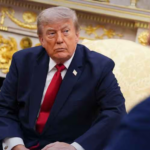



US President Donald Trump has said negotiations between Washington and Tehran are making progress, raising hopes that a diplomatic breakthrough could soon reopen the Strait of Hormuz, one of the world’s most important energy shipping routes.
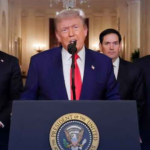
Trump said on Tuesday that US and Iranian officials held “very good discussions” during a full day of talks, suggesting that an agreement to restore maritime traffic through the strategic waterway could be close.
The comments increased optimism across global markets, with oil prices declining and Asian stocks gaining momentum as investors reacted to the possibility of reduced tensions in the Middle East.
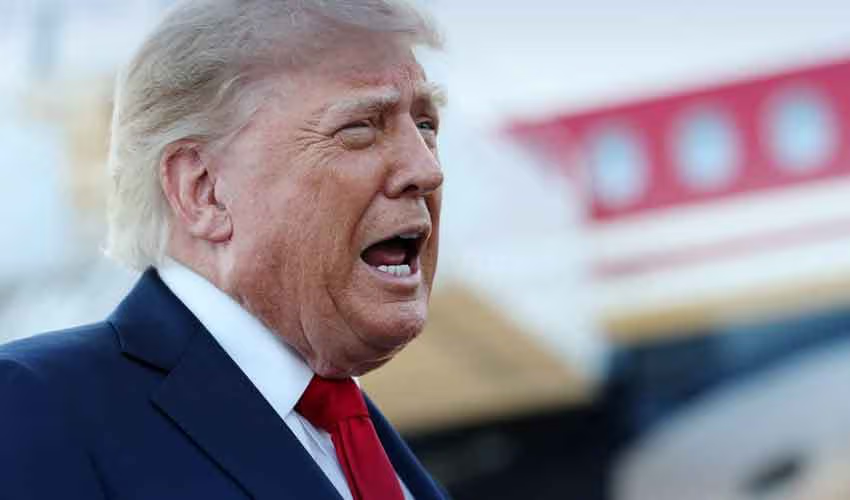
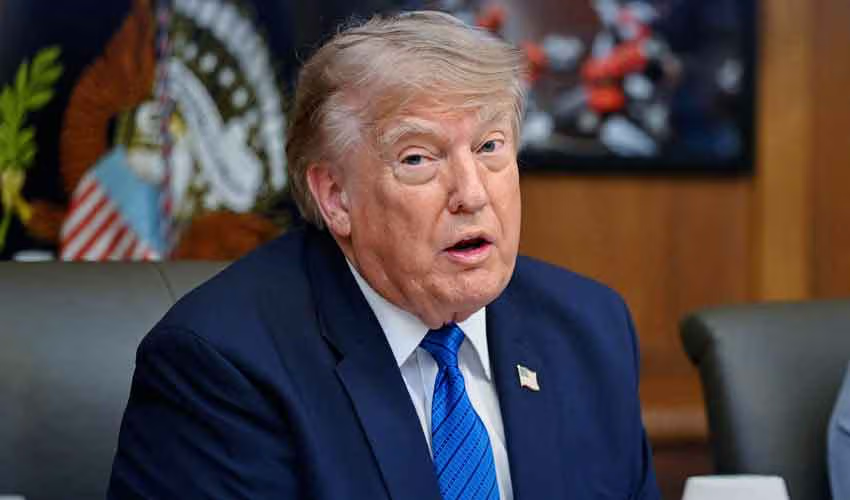
Speaking during an interview with Fox News’ “@ Night” program, Trump confirmed that negotiations had continued throughout the day and described the discussions as productive.
“They had an all-day negotiation,” Trump said, adding that the United States was involved in “very good discussions” with Iran.
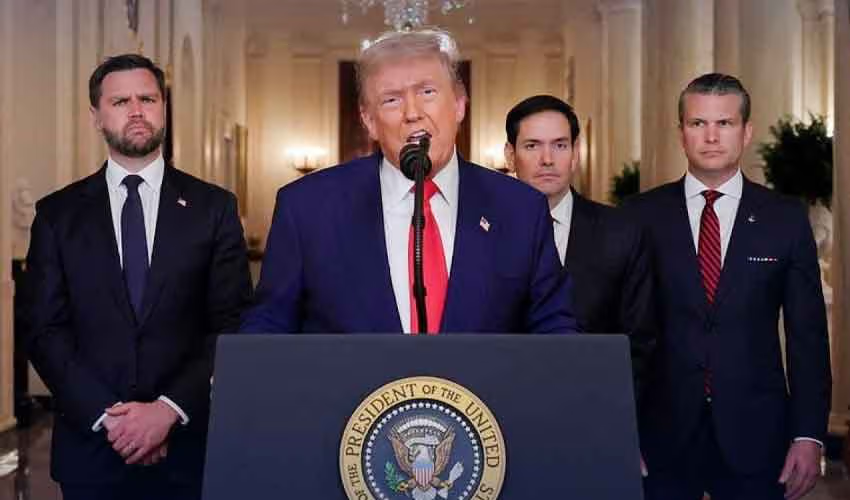
The president also expressed confidence that the Strait of Hormuz would reopen soon but warned Tehran against abandoning the negotiations.
“The Strait of Hormuz is going to be open very soon,” Trump said. “If they back out again, they are going to get hit really hard.”
Global Markets Watch Strait of Hormuz Developments
Financial markets responded positively to signs of possible diplomatic progress between the United States and Iran.
Oil prices dropped as traders anticipated that shipping restrictions could ease and global energy supplies could stabilize. Asian stock markets also moved higher after Wall Street reached record levels, driven partly by expectations that tensions surrounding the critical maritime route may decrease.
The Strait of Hormuz is considered a vital global trade route because it handles approximately one-fifth of the world’s oil and liquefied natural gas shipments. Any prolonged disruption in the waterway can create uncertainty for energy markets and increase costs for consumers worldwide.
US and Iran Reportedly Near Interim Hormuz Agreement
According to reports, Washington and Tehran may be moving closer to an interim agreement aimed at reopening the Strait of Hormuz with support from regional mediators.
The agreement reportedly involves Oman, which has historically played a role in facilitating communication between Iran and Western countries.
Sources cited by Axios said US officials hope a deal could be announced soon, potentially allowing commercial shipping to resume under new security arrangements.
However, Iranian officials have expressed concerns over continued US military threats. Iranian state media reported that Tehran believes progress could remain limited while Washington continues warning of possible military action.
Qatar and Oman Lead Diplomatic Mediation Efforts
Qatar and Oman have continued efforts to reduce tensions and bring both sides closer to an agreement.
Qatar’s leadership said discussions were held between Trump and Qatari Emir Sheikh Tamim bin Hamad Al Thani regarding efforts to reduce disagreements between Washington and Tehran and support a long-term resolution.
Meanwhile, Iranian Foreign Ministry spokesperson Esmaeil Baghaei said talks with Oman regarding safe transit through the Strait of Hormuz were continuing in a positive direction.
Iran has previously argued that it should share responsibility for managing security in the strategic waterway alongside Oman, which sits across from Iran near the passage.
Conflict Continues Despite Diplomatic Optimism
Although recent talks have created hope for a reduction in tensions, several major disagreements remain unresolved.
The Trump administration has previously outlined broader objectives, including limiting Iran’s nuclear capabilities, reducing its regional military influence, and increasing pressure on Tehran’s leadership.
The current crisis began after US and Israeli military strikes against Iran, followed by Iranian retaliatory attacks targeting Israel and US-linked facilities in the region.
The situation has also affected maritime security beyond the Persian Gulf. Yemen’s Iran-aligned Houthi movement has increased pressure on shipping routes in the Red Sea, creating additional challenges for international trade.
A recent attack near Yemen reportedly involved an Indian-flagged vessel that was struck and sank, although all crew members were rescued.
Humanitarian Concerns Grow Amid Regional Tensions
The prolonged conflict has resulted in significant casualties and displacement across the region.
Iran has reported thousands of deaths since military operations began, including casualties from strikes on Iranian territory. The United States has also reported military fatalities during the conflict.
Human rights groups and international legal experts have criticized repeated threats of attacks on civilian infrastructure, warning that targeting facilities essential for civilian life could violate international humanitarian law.
The possibility of reopening the Strait of Hormuz remains a key focus for governments, businesses, and global energy markets as diplomatic efforts continue.