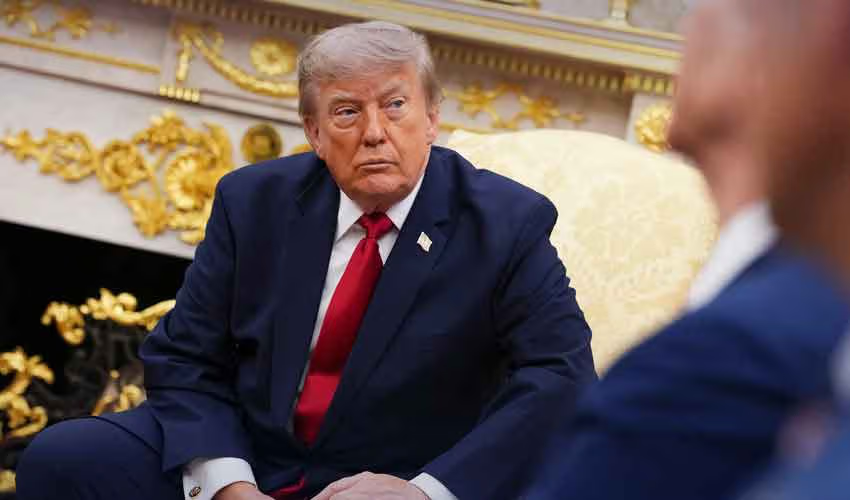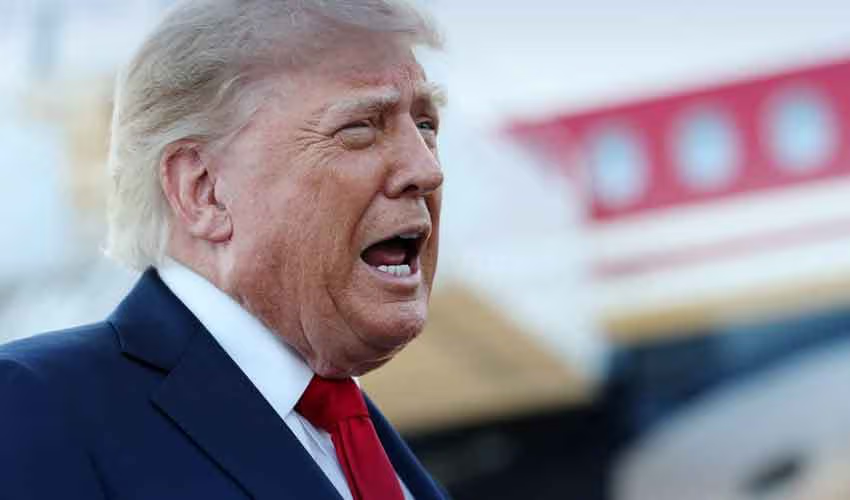



US President Donald Trump has said negotiations with Iran are making significant progress, raising hopes that the Strait of Hormuz could soon reopen after months of heightened tensions in the Middle East.
Trump said his administration was encouraged by the latest discussions with Tehran and suggested that a deal could be reached within days. However, he warned Iran that the United States would respond forcefully if Tehran decided to abandon the negotiation process.
Speaking during an interview on the FOX5 1-ON-1 program with FOX5 Las Vegas journalist Tom Durian, Trump described the talks as productive and said diplomatic efforts were moving in the right direction.
“I hear they are doing very well,” Trump said, adding that the negotiations “seem to be working out quite well.”
The US president said his administration was focused on diplomacy because it wanted to prevent further casualties and avoid a wider military confrontation.
“We have to make a deal with Iran. We don’t want to kill people,” Trump said, emphasizing that his goal was not to destroy Iran but to reach an agreement through negotiations.
Strait of Hormuz Becomes First Priority in Talks
Trump said the immediate goal of the negotiations is reopening the Strait of Hormuz, a strategically important waterway that plays a major role in global energy shipments.
The passage connects the Persian Gulf with international shipping routes and handles a significant share of the world’s oil and natural gas transportation. Any disruption in the area has raised concerns about energy prices, supply chains, and global markets.
Trump said reopening the waterway would represent the first stage of a broader agreement between Washington and Tehran.
“The opening of the waterway is the first step,” Trump said, adding that the Strait of Hormuz “is going to be open very soon.”
After attending a Republican National Committee fundraising event in Los Angeles, Trump suggested that progress could happen quickly.
“It could happen. Tomorrow or the next day,” he said, claiming that major progress had already been achieved.
He also previously told Fox News that US and Iranian representatives had participated in an “all-day negotiation” and described the discussions as positive.
Nuclear Issue Expected to Follow Hormuz Agreement
Trump said that once the Strait of Hormuz issue is addressed, the next phase of negotiations would focus on Iran’s nuclear program.
The president reiterated that the United States would not accept Iran developing nuclear weapons and said diplomatic efforts were the preferred solution.
“The hard hit is yet to come, and hopefully we won’t have to use it,” Trump said while warning that Washington would take action if necessary.
Trump has previously used a combination of diplomatic offers and military warnings while dealing with Iran, creating uncertainty over whether negotiations or confrontation would shape future relations between the two countries.
Trump Claims Iran Requested Negotiations
During the interview, Trump claimed that Iranian officials reached out and requested talks with Washington.
“Iran said very politely, ‘Please, can we talk?’” Trump recalled.
He said he agreed to negotiations, responding: “Yes, we can talk. Let’s get it done.”
Trump has repeated similar statements in recent public appearances. However, Iranian officials have often rejected or minimized claims of direct negotiations, with regional mediators including Oman reportedly playing an important role in facilitating communication.
President Warns Iran Against Leaving Negotiations
Despite his positive comments about the talks, Trump issued a strong warning to Tehran.
“If they back out again, they’re going to get hit really hard,” he said.
Trump also highlighted US military strength, saying America has significant defense capabilities and continues to expand weapons production.
In a social media post, the president said the United States maintains large reserves of military equipment and is increasing production through new defense facilities.
The post also addressed concerns over classified information leaks, with Trump saying authorities were searching for individuals responsible for what he described as damaging disclosures.
JD Vance Says US Policy on Iran Remains Unified
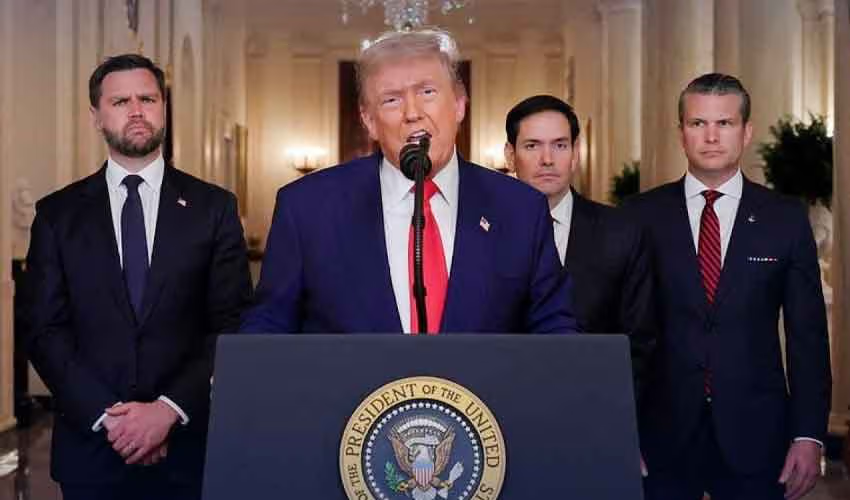
US Vice President JD Vance also commented on the negotiations, saying there were no disagreements between him and Trump regarding Iran policy.
Vance said the United States would use all available resources to achieve its objectives and repeated that Washington would not allow Iran to obtain nuclear weapons.
He added that the United States and Israel continue to coordinate closely on regional security issues.
The vice president also noted that Iran’s internal political situation could influence the direction of negotiations, suggesting that divisions within Tehran may play a role in future developments.
As diplomatic efforts continue, the possible reopening of the Strait of Hormuz remains a major focus for global energy markets and governments watching the US-Iran relationship. Any agreement could become the starting point for wider discussions on nuclear issues and regional stability.