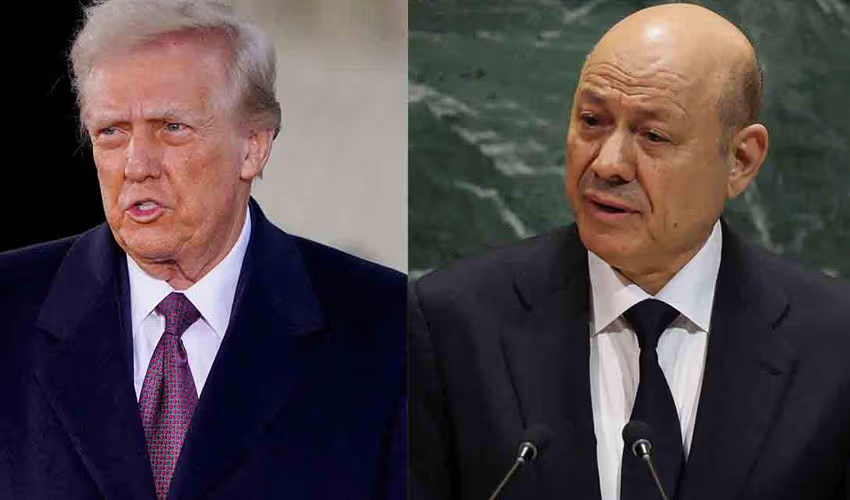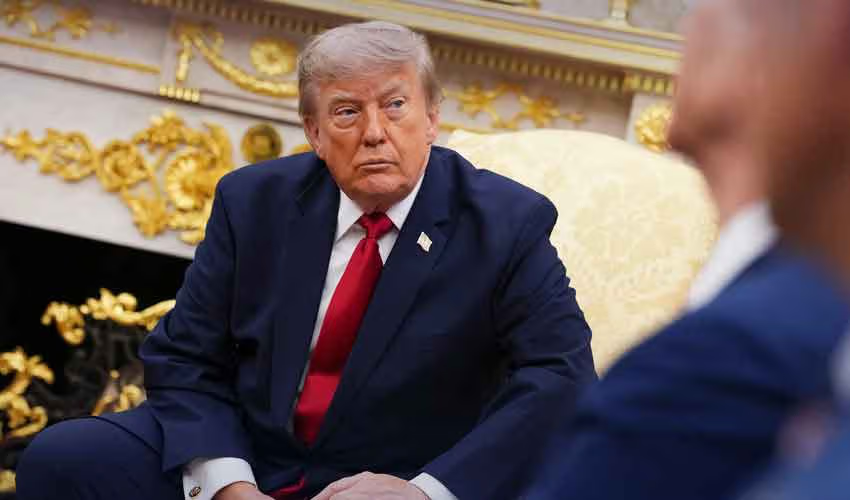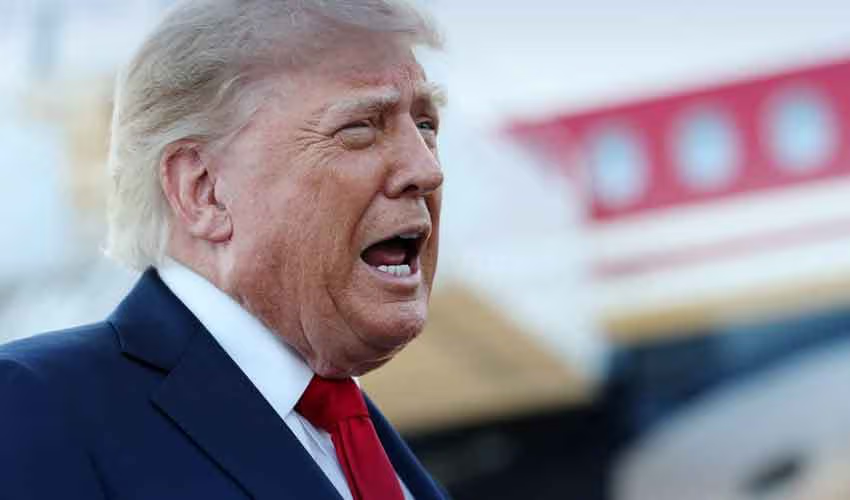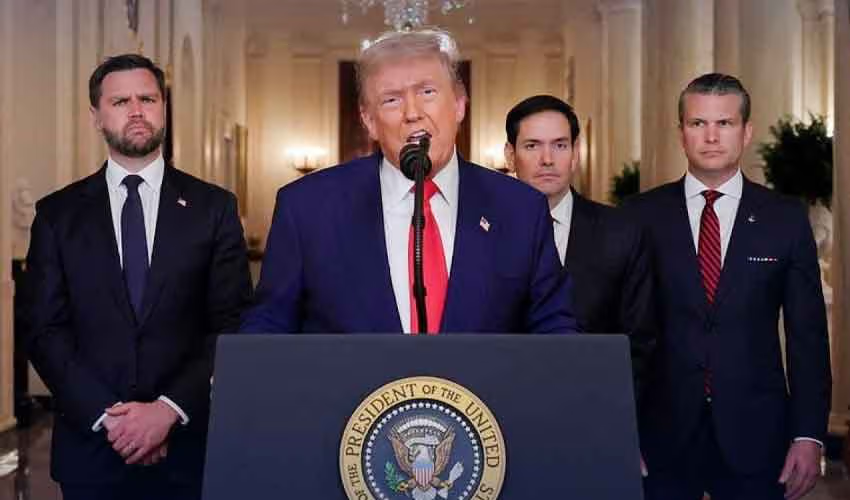



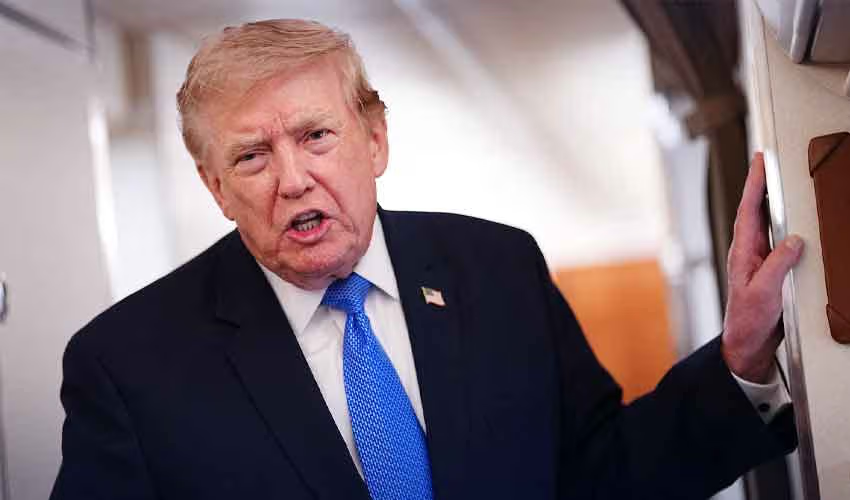
US President Donald Trump has said the conflict with Iran could come to an end “pretty soon” as diplomatic efforts continue to secure an agreement on reopening the Strait of Hormuz, a critical global energy shipping route.
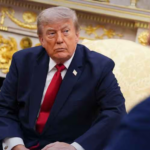
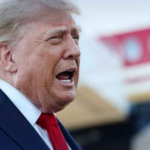
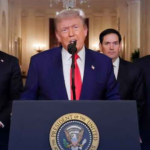
Speaking to reporters at the White House on Thursday, Trump said Iran would struggle to continue the conflict for an extended period and suggested that negotiations could lead to a resolution in the near future.
“I think it’s going to end pretty soon. I don’t think they can go much longer,” Trump said.
The comments came as Iran and Oman continued discussions aimed at restoring commercial shipping through the strategically important waterway, which has become a major focus of international concern amid rising tensions in the Middle East.
Iran and Oman Report Progress on Hormuz Agreement
Iran said negotiations with Oman have reached what officials described as “fundamental understandings,” bringing the two sides closer to a possible agreement.
Reports indicate that Iran and Oman have made progress on establishing shipping route coordinates through the Strait of Hormuz. However, several important issues remain unresolved before a final deal can be completed.
The waterway is one of the world’s most important maritime passages, with a major share of global oil and liquefied natural gas shipments passing through the region. Any disruption has the potential to impact energy prices, international trade, and global supply chains.
Iran has denied reports of direct negotiations with the United States in recent days but said it has received Washington’s position through diplomatic channels.
Oman has historically played a key role as a mediator between Iran and Western countries, helping facilitate communication during periods of heightened tensions.
US Raises Concerns Over Hormuz Control
While diplomatic efforts continue, US officials have made clear that Washington would not accept an agreement allowing Iran to control international commercial navigation through the Strait of Hormuz.
American officials have also rejected any proposal that would allow Tehran to impose compulsory fees on ships using the strategic passage.
The United States has emphasized that freedom of navigation and uninterrupted global commerce must remain central to any future arrangement.
Possible Hormuz Deal Could Lead to Wider Negotiations
Experts say that reopening the Strait of Hormuz would represent an important step toward reducing tensions but would not necessarily bring an immediate end to the broader conflict.
A successful agreement over maritime access could create an opportunity for further discussions involving ceasefire arrangements, regional security concerns, and long-term diplomatic solutions.
The conflict has also increased security pressure inside Iran, with authorities reportedly expanding enforcement operations across the country.
In Tehran and other areas, security measures have reportedly intensified as officials attempt to manage internal stability during the ongoing crisis.
Trump Rejects Reports of US Military Supply Problems
Trump also pushed back against reports suggesting that the United States could face shortages of weapons and ammunition during the conflict.
The president said the US military remains well prepared and has significant resources available.
“We are in very good shape,” Trump told reporters, claiming that the country has “literally massive amounts of ammunition.”
Trump’s comments came amid continued debate over military readiness, defense spending, and Washington’s ability to sustain operations during prolonged international conflicts.
Global Attention Remains on Middle East Diplomacy
The possibility of a deal involving the Strait of Hormuz has drawn international attention because of the waterway’s importance to global energy markets.
Investors, governments, and shipping companies are closely monitoring developments as diplomatic efforts between Iran and Oman continue.
A breakthrough could ease pressure on energy supplies and reduce fears of further escalation, while unresolved disputes over security, navigation rights, and regional influence remain key challenges in the ongoing negotiations.