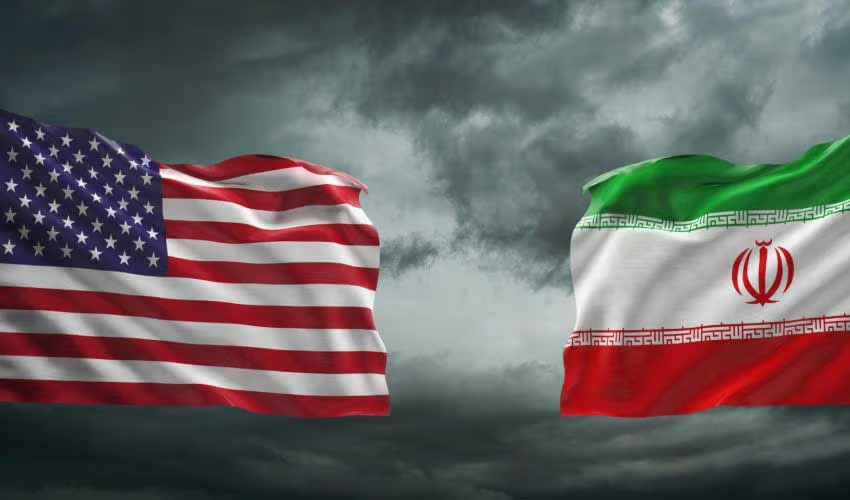
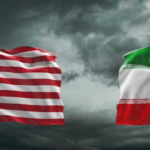
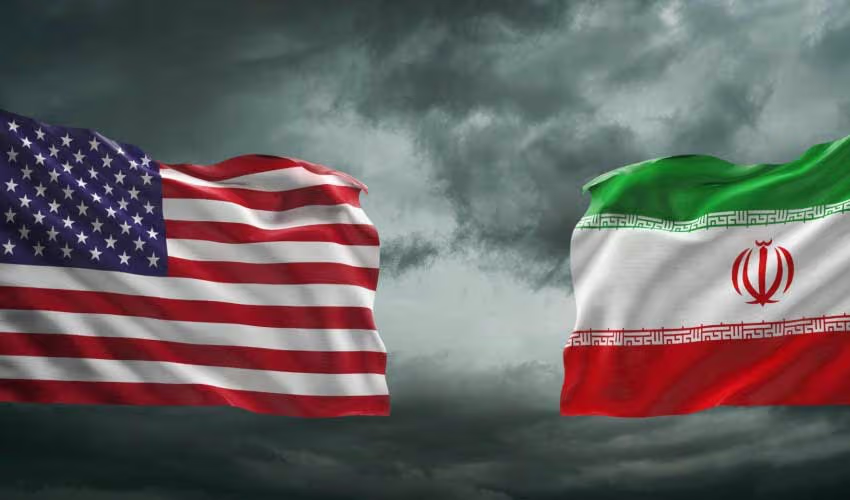
The United States and Iran have resumed indirect diplomatic contacts through mediators as both sides explore another possible route toward ending the seven-month conflict and reopening the strategically important Strait of Hormuz.
US and Iranian officials held separate discussions with mediators on Monday, according to officials from both countries. The latest diplomatic effort comes days after Iran presented a seven-day proposal during the United Nations General Assembly in New York.
Further discussions are expected to focus on an amended version of that proposal, according to an official briefed on the negotiations.
Iran Waits for Washington’s Response
Iranian Foreign Minister Abbas Araghchi has remained in New York following the UN General Assembly and said Tehran is waiting for Washington’s formal position.
Iran has linked the reopening of the Strait of Hormuz to specific conditions involving the US blockade, economic sanctions and a ceasefire.
Araghchi said Iran believes it has already presented a pathway toward a negotiated settlement and is waiting to see whether Washington will accept or modify the proposal.
The Iranian plan initially called for a seven-day process that would end hostilities, ease economic restrictions and eventually restore normal maritime traffic through Hormuz.
What Iran’s Seven-Day Proposal Includes
Under the proposal, Iran would reopen the Strait of Hormuz after the United States takes several steps.
These reportedly include lifting the US naval blockade of Iranian ports, easing sanctions on Iranian oil exports and implementing a ceasefire covering Iran and Lebanon.
The proposal also calls for the release or unfreezing of Iranian assets held abroad.
Once those conditions are addressed, Tehran says it would restore navigation through the Strait of Hormuz and resume negotiations with Washington over Iran’s nuclear program.
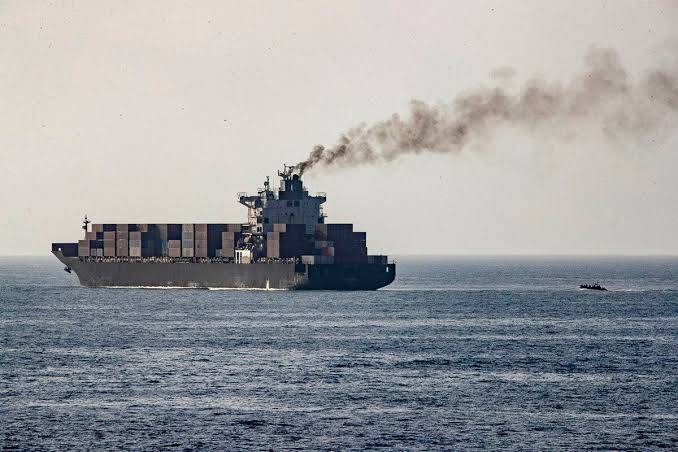
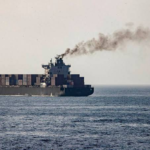
The waterway is one of the world’s most important energy routes, making its status a major concern for global oil markets and international shipping.
Trump Rejected the Initial Proposal
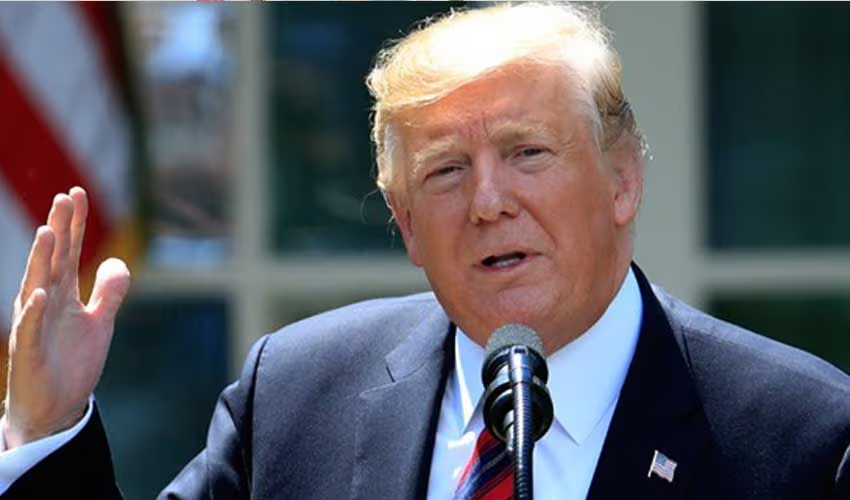
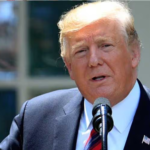
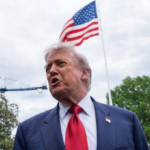
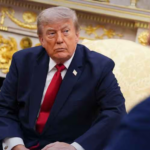
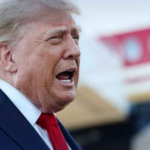
President Donald Trump said over the weekend that he had rejected Iran’s proposal, arguing that Tehran was seeking an agreement because of the economic pressure it is facing.
However, Trump subsequently indicated that US negotiators could continue discussions with Iranian representatives through mediators during the week.
That has left the diplomatic channel open despite the president’s rejection of the initial version of Tehran’s proposal. Reuters reported that the latest contacts are expected to center on a modified version of the seven-day plan.
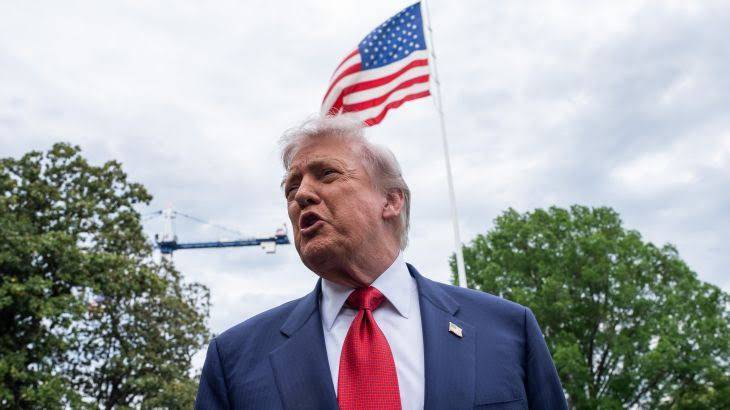
Trump also said Monday that US officials had been speaking with mediators, although he did not provide details about the discussions.
Previous Ceasefire Attempts Failed
The current diplomatic effort is not the first attempt to halt the conflict.
The United States and Iran previously reached mediated ceasefire arrangements in April and June, but both agreements subsequently broke down.
The repeated failures have contributed to deep distrust between Washington and Tehran, with each side demanding commitments before making major concessions.
The latest negotiations therefore face the additional challenge of creating an arrangement that both governments believe can survive beyond an initial pause in fighting.
Hormuz Remains Central to the Dispute
The Strait of Hormuz has become one of the most important bargaining issues in the conflict.
Iran has tied the reopening of the waterway to the removal of US economic and military pressure, while Washington wants unrestricted commercial navigation restored.
The strategic waterway is critical to global energy shipments, and disruptions have contributed to higher oil prices and uncertainty across international markets.
Recent Reuters reporting showed Brent crude and US crude prices remaining elevated despite some improvement in Middle Eastern oil exports, reflecting continuing concerns over supply disruptions.
Diplomatic Pressure Builds
The negotiations also come as Iran’s economy faces increasing pressure. The Iranian rial fell to a new record low on Tuesday, with traders reportedly exchanging more than 2.5 million rials for one US dollar, highlighting the economic strain created by the conflict and existing sanctions.
For Washington, the talks provide an opportunity to pursue a diplomatic resolution while maintaining pressure on Tehran.
For Iran, reopening the Strait of Hormuz and securing economic relief remain major priorities.
Regional mediators, including Qatar, have been involved in passing messages between the two governments as officials attempt to narrow the differences over a potential ceasefire and the future of the strategic waterway.