



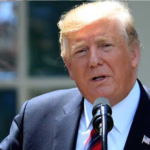

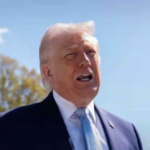

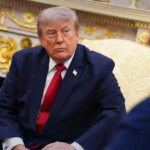
Hamas has agreed to a peace framework announced by US President Donald Trump that includes the group handing over its weapons as part of efforts to end the war with Israel and establish a new governing structure in Gaza.
The Palestinian group said Friday that it supports the agreement, which calls for its weapons to be transferred to a Palestinian governing committee while Israeli forces gradually withdraw from parts of Gaza.
The announcement marks a major development in ceasefire negotiations, as Hamas’ military capabilities and the future security arrangement in Gaza have remained among the biggest obstacles to a lasting agreement.
Hamas Accepts Weapons Transfer Plan
Under the proposed framework, Hamas said a committee created by Trump’s Board of Peace would supervise the process of storing and managing the group’s weapons.
Hamas official Ghazi Hamad said the group was making compromises to protect civilians in Gaza and prevent further deaths and displacement.
“Israel will not intervene in the issue of disarmament. The National Committee is the body that will undertake this task,” Hamad said, referring to the National Committee for Administration of Gaza (NCAG).
Hamas has previously resisted demands for complete disarmament, but the issue became a central condition in negotiations aimed at creating a long-term ceasefire.
US President Donald Trump said earlier that Hamas’ “complete disarmament” would be a key step toward establishing a new Palestinian administration in Gaza.
Israel Demands Full Disarmament Before Withdrawal
Israel has not officially responded to the announcement, but Israeli officials indicated that military withdrawal would depend on Hamas taking genuine steps toward disarmament.
An Israeli political source told AFP that there would be no withdrawal from current military positions unless Hamas carries out a complete disarmament process.
Israel has repeatedly stated that removing Hamas’ military capabilities is a necessary condition for any future political arrangement in Gaza.
Far-right Israeli National Security Minister Itamar Ben-Gvir criticized the agreement, calling it unacceptable and warning that it could allow Hamas to rebuild its military strength.
Next Phase Focuses on Implementation
The Board of Peace said Hamas had agreed to a detailed roadmap for implementing the next stages of the Gaza ceasefire agreement.
The organization said the focus would now shift toward carrying out the plan, with the NCAG expected to begin a gradual transition toward full administrative authority in Gaza.
Trump said that after Hamas is disarmed, Israeli forces would withdraw and an International Stabilization Force would work alongside a new Palestinian police force to maintain security for Gaza residents and neighboring countries.
Nickolay Mladenov, the Board of Peace’s high representative for Gaza, said the agreement followed months of difficult negotiations.
He stressed that implementation and verification would be the most important challenges ahead, adding that Israeli withdrawal must happen alongside the process of dismantling Hamas’ military infrastructure.
International Community Welcomes Deal With Caution
European Union foreign policy chief Kaja Kallas welcomed the agreement but warned that its success would depend on cooperation from all sides.
Kallas said verifying Hamas’ compliance would be a major challenge and that Israel would eventually need to withdraw from Gaza for the agreement to succeed.
Egypt is also expected to host a meeting involving ceasefire mediators, including the United States, Qatar, and Turkey, to discuss the next stage of the plan.
Diplomatic sources said the roadmap includes the removal of weapons, tunnels, weapons storage facilities, and production sites, with a verification system designed to monitor compliance.
Challenges Remain Despite Agreement
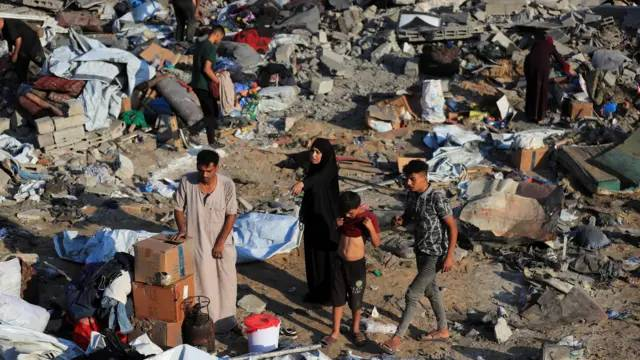
Although the deal represents a significant diplomatic step, violence has continued in Gaza despite the existing ceasefire.
Health officials reported that Israeli strikes on Thursday killed at least four people, including two children, highlighting the fragile nature of the agreement.
Hamas officials said they had submitted amendments to parts of the roadmap and were waiting for Israel’s response through mediators.
The coming weeks are expected to focus on whether both sides can fulfill their commitments, including Hamas’ disarmament process and Israel’s planned military withdrawal.