
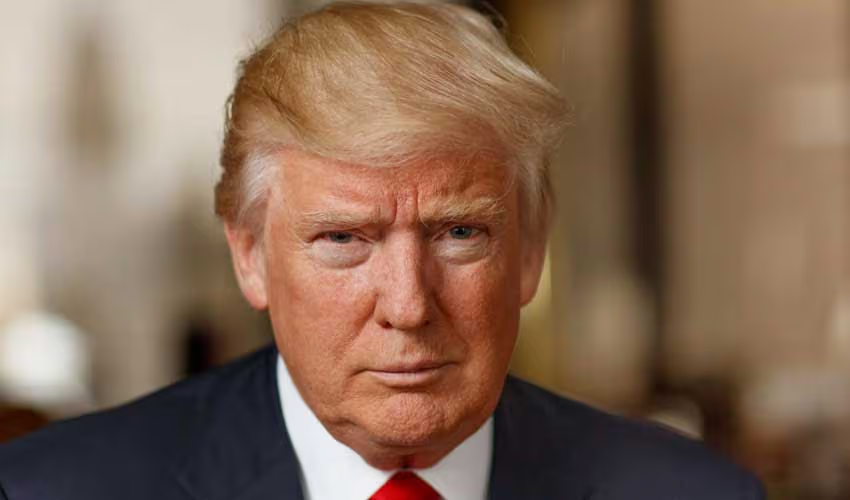
President Donald Trump is facing growing criticism from within his own Republican Party following a disappointing midterm election result that handed Democrats control of Congress and raised questions about the future direction of his administration.
US President Donald Trump is under increasing pressure from Republican allies, political strategists and party officials to reconsider his governing approach after Democrats secured major victories in the midterm elections.
The election setback has triggered concerns about the Republican Party’s political future, with several influential figures arguing that Trump’s policies and leadership decisions contributed to the disappointing results.
Republicans are now calling for changes across the White House, including possible staff replacements, stronger political discipline and a reassessment of controversial policies such as tariffs and the ongoing war with Iran.
Veteran Republican strategist John Feehery described the election outcome as a major political disaster for Trump, suggesting that the president needs to make significant changes within his administration.
“He needs to clean house,” Feehery said, warning that Trump’s political influence could gradually weaken as his presidency moves forward.
However, Trump has shown little interest in accepting personal responsibility for the election losses. During an interview with Fox News on Tuesday night, he rejected the suggestion that the results represented a direct rejection of his leadership.
“I don’t view it as a hit on me,” the president said.
Democrats Gain Power to Challenge Trump’s Agenda
The Democratic Party’s congressional victories are expected to create significant challenges for the Trump administration during the remaining years of his presidency.
With control of Congress, Democrats will have greater authority to block legislation, investigate government decisions and challenge presidential appointments.
The shift in political power could also force Trump to rely more heavily on executive orders and administrative actions to advance his priorities without congressional support.
Republican strategists are particularly concerned about the longer-term consequences for the party. Trump’s decisions during the next two years could influence the political prospects of potential Republican presidential candidates preparing for the 2028 election.
Vice President JD Vance, widely viewed as a possible successor to Trump within the Republican Party, appeared to distance himself from the president’s approach by identifying the Iran war as a major factor behind the election losses.
Political observers believe similar disagreements could emerge within the party if Republican lawmakers increasingly question whether Trump’s political strategy remains effective with independent and undecided voters.
White House Faces Possible Staff Changes and Investigations
The election results have reportedly created uncertainty inside the White House, where senior officials are preparing for possible staff departures, Cabinet changes and increased scrutiny from Democratic lawmakers.
A senior administration official, speaking anonymously, described the atmosphere following the election as extremely difficult.
The official indicated that internal polling had warned Republican leadership several weeks before the vote that the party was at risk of losing ground in both chambers of Congress.
According to the official, Trump received warnings about the political consequences of the Iran conflict but decided against changing his position.
The president has since acknowledged that the eight-month-old war affected Republican candidates, although he continues to defend the decision to launch the military campaign.
The possibility of congressional investigations is another major concern for administration officials. Democrats are expected to examine various government policies and decisions, potentially creating additional political and legal pressure on the White House.
Iran War and Tariffs Become Major Republican Concerns
The Iran conflict has emerged as one of the most controversial issues following the election.
Some Republican strategists believe the administration underestimated voters’ frustration with military involvement overseas, particularly as the conflict contributed to economic uncertainty and higher fuel prices.
Trump’s tariff policies have also attracted criticism from within his own political camp. Republican and independent voters have reportedly expressed concerns about affordability, rising costs and the impact of trade restrictions on American households.
Political advisers involved in competitive Senate campaigns in states such as Michigan and Iowa reportedly noticed growing dissatisfaction among voters during the summer.
Another unexpected concern involved the president’s focus on construction projects at the White House, particularly the proposed ballroom and renovations in Washington.
According to a Republican political adviser, focus group discussions revealed that some voters were increasingly frustrated with the attention given to these projects while economic concerns remained unresolved.
The adviser warned that continuing with the same political messaging could expose Republicans to another major defeat in the next election cycle.
Trump Defends White House Ballroom Project
Despite the criticism, Trump has continued defending his priorities and has shown little indication of changing his public approach.
On Wednesday, the president unexpectedly invited reporters to visit the White House ballroom construction site, where he defended the project and the time he has devoted to it.
“For me it’s relaxing,” Trump said.
The appearance came as several Republicans were urging the administration to concentrate more heavily on economic issues and the concerns of ordinary Americans.
The White House also responded to criticism with a defiant message on social media, publishing a photograph of Trump accompanied by the statement: “PSA: TRUMP IS STILL YOUR PRESIDENT.”
The message appeared intended to reinforce the president’s authority despite the party’s disappointing electoral performance.
Trump Could Rely More on Executive Orders
Although Democrats now have greater influence over Congress, Trump still retains considerable executive authority.
The administration has reportedly spent months preparing additional executive actions covering immigration, trade tariffs, housing policy and federal government spending.
These measures could allow Trump to continue advancing parts of his political agenda even when Democratic lawmakers oppose his legislative proposals.
However, executive orders cannot completely protect the administration from congressional oversight.
Democratic lawmakers will have the ability to conduct hearings, request government records, question administration officials and investigate controversial decisions.
This could create a difficult political environment for Trump, particularly if investigations become a major focus of the new Congress.
Republican Party Faces Questions Ahead of 2028
The midterm defeat has opened a wider debate about the Republican Party’s future beyond Trump’s presidency.
While the president continues to command substantial influence among his supporters, growing criticism from Republican strategists suggests that some members of the party are beginning to reconsider their political priorities.
JD Vance and other potential Republican leaders may face increasing pressure to establish their own positions on economic policy, foreign affairs and the direction of the party.
For now, Trump remains determined to defend his record rather than make an immediate political adjustment. However, with Democrats preparing to exercise their new congressional powers, the coming months could prove challenging for the White House and the Republican leadership.