
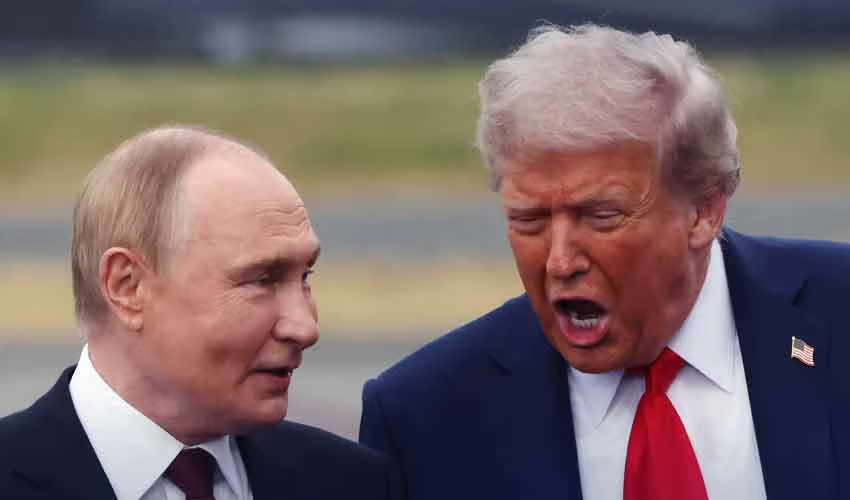
US President Donald Trump has defended his decision to waive key Russia-related sanctions and support an agreement to increase Russian diesel supplies, arguing that both moves could help keep Moscow engaged in negotiations to end the war in Ukraine.
In a post on Truth Social on Sunday, Trump said significant progress was being made towards ending the conflict and that he did not want to take steps that could push Russia away from the negotiating table.
The president also defended the diesel arrangement as a way to ease pressure on American consumers and businesses facing higher fuel costs amid energy-market disruptions linked to the US-Israeli war against Iran.
Trump’s decisions have drawn criticism from Ukrainian officials and some US lawmakers, who argue that easing economic pressure on Moscow could weaken efforts to hold Russia accountable for its invasion of Ukraine.
Trump Says He Wants Russia to Remain at Negotiating Table
Trump said his administration was working towards a peace agreement between Russia and Ukraine and stressed that maintaining diplomatic engagement remained a priority.
“I do not want to take any step that might drive Russia away from the negotiating table,” Trump wrote, adding that significant progress was being made in negotiations and efforts to secure the release of hostages.
The US president also addressed Russia’s relationship with Iran, claiming that Moscow was providing very little assistance to Tehran. He said he wanted that situation to continue and intended to take steps to discourage Russia from offering further support to Iran.
Trump’s comments came as his administration faced questions about whether easing sanctions on Russia would help advance peace negotiations or reduce the economic pressure intended to influence Moscow’s conduct.
The president has repeatedly said he wants to end the Russia-Ukraine war, although disagreements remain over the conditions of a potential settlement and the future of territories occupied by Russian forces.
Trump Criticises Zelenskyy Over Attacks on Russian Refineries
Trump sharply criticised Ukrainian President Volodymyr Zelenskyy over Ukrainian attacks on Russian oil refineries, arguing that strikes against fuel infrastructure could disrupt supplies and put additional pressure on international energy markets.
According to Trump, the attacks were affecting American businesses and farmers at a time when fuel costs were already a concern.
He argued that Russia continued supplying substantial quantities of diesel to international markets at relatively low prices despite damage to its refining infrastructure.
Trump also questioned Zelenskyy’s commitment to ending the war, claiming that the Ukrainian president did not want peace. These remarks represented Trump’s assessment of the Ukrainian leader’s position rather than an independently established account of Kyiv’s negotiating intentions.
The criticism reflects a broader disagreement between Washington and Kyiv over military strategy, energy infrastructure and the terms under which the conflict could end.
Ukraine has defended its military campaign against Russian targets as part of its effort to resist the invasion, while the Trump administration has emphasised the need for negotiations and a reduction in hostilities.
Trump Says Ukraine Could Have Negotiated a Better Deal
Trump argued that Zelenskyy could have secured more favourable peace terms two years earlier than those potentially available now.
He also criticised the financial assistance provided to Ukraine by European governments and former US President Joe Biden’s administration, questioning whether the support had delivered the intended results.
Trump said Ukraine had suffered extensive destruction during the war, pointing to territorial losses, damage to infrastructure and the loss of access to important maritime areas.
He also referred to the large number of people killed during the conflict, presenting an end to the fighting as a priority for his administration.
However, Trump’s comments about the extent of Ukraine’s territorial losses and the prospects for a settlement reflect his interpretation of the war. They do not establish the terms of any agreed peace deal.
The future of US support for Ukraine remains a significant issue in relations between Washington and Kyiv, particularly as the two governments differ over the balance between continued military assistance and diplomatic efforts to end the conflict.
Trump Waives Russia-Related Sanctions and Tariffs
Trump’s defence of the diesel agreement followed his decision to waive key sanctions and tariffs linked to Russia under the Graham Act, legislation signed the previous month to increase economic pressure on Moscow.
The measures were designed to target Russian trade and penalise countries that continued purchasing Russian oil and gas or helped Russia circumvent existing sanctions.
The proposed restrictions included tariffs of up to 100% on certain imports from countries identified under the legislation. China and India, among the largest buyers of Russian oil, had raised concerns about the potential economic consequences.
In an executive order released on Friday, Trump said the waiver was in the national interests of the United States. The order did not establish a fixed end date, leaving the administration room to reconsider the measures later.
Speaking to reporters at his Mar-a-Lago club in Palm Beach, Florida, Trump said his final position on the broader sanctions question had not yet been fully settled.
“A lot of you don’t know what my decision is yet, but we’ll figure it out, and you’ll figure it out,” he said.
US Secretary of State Marco Rubio said the administration wanted time to evaluate the potential consequences of imposing the sanctions and tariffs.
Rubio explained that Trump intended to use a period of up to 60 days to assess the effects on the US economy and global markets before determining the next steps.
“I think the president wants to take the 60-day period of time to sort of analyze what imposing both sanctions and tariffs will mean to the global economy and even to the US economy,” Rubio said before travelling to Uzbekistan.
Administration Defends Russian Diesel Agreement
The Trump administration has defended a separate agreement intended to increase Russian diesel supplies to international markets as fuel prices remain under pressure.
Rubio argued that the diesel would be sold internationally regardless of the arrangement, with the agreement potentially influencing how much of the available supply reached American consumers.
“That diesel is going to be sold one way or the other,” Rubio said. “The only difference is how much of it the United States was going to get.”
Trump said Russia would initially supply more than 300,000 metric tons of diesel to the United States, with additional shipments expected in November and beyond.
The administration has presented the arrangement as a way to increase fuel availability and help ease costs for American households, businesses and agricultural producers.
However, the agreement has also raised questions about whether easing restrictions on Russian exports could provide Moscow with additional revenue while its war against Ukraine continues.
Critics argue that the economic benefits of increased fuel supplies must be weighed against the broader consequences of reducing pressure on Russia.
US Energy Secretary Calls Diesel Deal an Incentive for Peace
US Energy Secretary Chris Wright defended the diesel agreement during television interviews, describing it as a diplomatic incentive rather than an economic lifeline for Russia.
Speaking on ABC’s This Week, Wright said the arrangement was “a carrot to try to end the war, not an economic lifeline” for Moscow.
In a separate appearance on CNN’s State of the Union, Wright argued that Russia would need to reduce the intensity of its conflict with Ukraine to increase its diesel exports.
He said additional supplies could benefit American consumers while providing Russia with an incentive to make progress towards peace.
“If Russia can bring additional diesel to the market and export it, it would benefit American consumers,” Wright said.
The administration’s argument is that increasing energy supplies could help moderate fuel costs while creating an opportunity to encourage Moscow to reduce hostilities.
The arrangement’s actual impact will depend on the volume of fuel delivered, market conditions and the extent to which any changes in supply affect prices paid by consumers.
US Officials Warn That Global Conflicts Are Affecting Energy Markets
Rubio said the sanctions waiver and diesel agreement must be considered alongside the economic effects of conflicts in the Middle East and Ukraine.
The wars have placed pressure on energy supplies and complicated efforts to manage international markets, creating challenges for governments seeking to balance foreign policy objectives with domestic economic concerns.
“These conflicts around the world are starting to crash into each other,” Rubio said.
The administration has defended its approach as an attempt to keep diplomatic channels open with Moscow while responding to rising fuel costs.
Trump maintains that his priority is ending the war in Ukraine, but his decisions on sanctions and Russian energy exports have triggered criticism from officials who believe sustained economic pressure is necessary to influence the Kremlin.
Zelenskyy Warns of Strained US-Ukraine Relations
Zelenskyy has expressed concern about Washington’s approach to the conflict, arguing that US pressure could leave Ukraine facing difficult choices in negotiations with Russia.
The Ukrainian president has also raised concerns about delays in the supply of interceptor missiles needed to defend the country against Russian attacks.
He described the period as difficult and dangerous for relations between Ukraine and the United States.
The disagreements reflect unresolved questions over the terms of a potential peace agreement, the future of US military assistance and the role economic sanctions should play in influencing Russia.
As Trump continues to defend the sanctions waiver and diesel arrangement as part of his broader diplomatic strategy, Kyiv remains concerned about the implications for Ukraine’s security and its position in future negotiations.