



Trump says Iran wants a deal as the seven-month conflict spreads into Yemen and raises fresh concerns over global energy supplies
US President Donald Trump has indicated that the war with Iran could be approaching an end, even as fighting involving Iran-backed Houthi forces and Saudi Arabia adds another layer of uncertainty to the widening Middle East conflict.
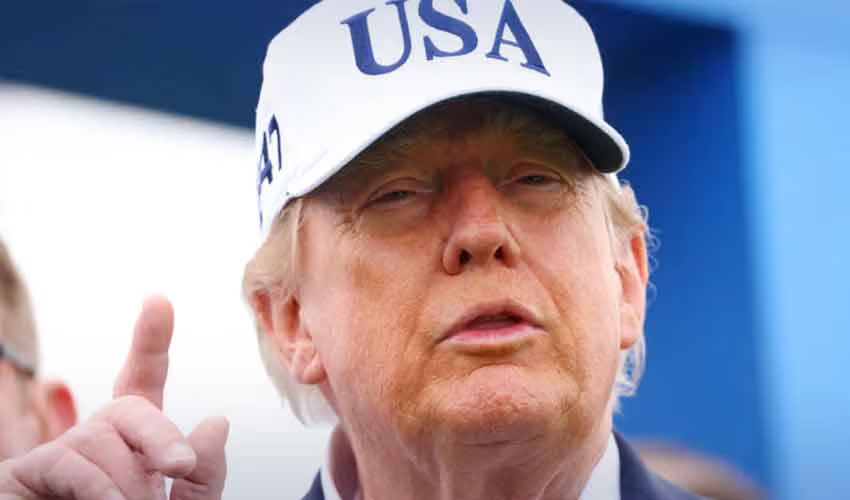
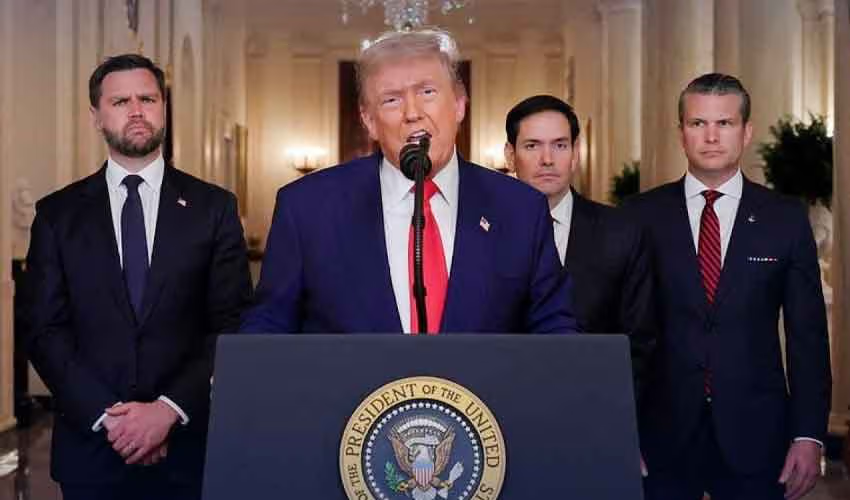
Speaking to reporters Wednesday evening, Trump said he hoped the United States was “towards the end of the war” and claimed Iran wanted to reach a deal. He also said Washington had heard from Iran directly, although he did not provide details about the communication.
The comments came as the conflict entered its seventh month and fighting intensified in Yemen. At the same time, Trump is expected to meet Gulf leaders in New York next Tuesday during the United Nations General Assembly to discuss the war and possible plans for the period after the fighting.
Trump Signals Possible Shift Toward Diplomacy
Trump has repeatedly said that Iran is interested in reaching an agreement, but there has been no publicly confirmed comprehensive peace process between Washington and Tehran.
His latest remarks come amid growing diplomatic activity involving regional countries. The United Nations General Assembly in New York is expected to provide an important venue for discussions involving the United States, Gulf states and other countries affected by the conflict.
The administration’s approach could also face questions over what happens after major combat operations end. According to Axios, US officials are developing a broader postwar strategy, with discussions expected to focus on the future security and political arrangements surrounding Iran and the wider region.
Gulf Leaders Expected at New York Meeting
Trump is expected to meet leaders or foreign ministers from the six Gulf Cooperation Council countries: Saudi Arabia, the United Arab Emirates, Qatar, Bahrain, Kuwait and Oman.
Axios reported that the meeting could focus on the next phase of the Iran conflict and Washington’s ideas for a postwar strategy. The State Department has reportedly sent initial invitations, while the gathering could potentially be expanded to include additional Arab and Muslim leaders.
The Gulf states have been directly affected by the conflict because several host US military installations and have faced Iranian attacks or disruptions to energy exports.
The proposed meeting also comes at a time when Washington is dealing with pressure over the security of major maritime routes, oil infrastructure and regional military bases.
Iran War Expands Into Yemen
While Trump is discussing a possible end to the Iran war, fighting has intensified in Yemen.
Iran-backed Houthi forces have expanded their presence along Yemen’s Red Sea coast and have launched attacks involving drones and missiles against Saudi targets, according to Reuters. Saudi Arabia and Saudi-backed Yemeni forces have responded with airstrikes against Houthi positions.
The renewed fighting has raised concerns that the Iran conflict could develop into a broader regional confrontation involving several separate battlefronts.
Saudi Arabia has fought the Houthis for years, although the conflict had significantly quietened under a ceasefire. The latest escalation has brought the Yemen war back into the center of regional security concerns.
The humanitarian consequences are also becoming increasingly serious as civilians attempt to flee areas affected by the fighting. Reuters reported that Yemenis were taking boats into the Red Sea to escape the latest clashes.
Oil Markets Remain Closely Linked to the Conflict
Energy markets have remained one of the most visible economic consequences of the war.
The conflict has disrupted shipping through the Strait of Hormuz, a critical route for international energy supplies. Before the war, the waterway carried roughly one-fifth of global oil and gas supplies, making prolonged disruption a major concern for governments and energy traders.
The situation has also been complicated by damage to Saudi oil infrastructure. Reuters reported that attacks affected Saudi Arabia’s East-West oil pipeline, while concerns about the country’s Red Sea oil facilities contributed to higher oil prices.
However, oil markets eased Thursday after Saudi Arabia reportedly moved additional crude cargoes through Oman and worked to restore operations on its East-West pipeline.
Reuters reported that Brent crude fell to around $103 a barrel during Thursday trading, while US West Texas Intermediate crude moved close to $101 a barrel as immediate supply concerns eased.
Washington Watches the Saudi-Houthi Escalation
The United States has also responded to the deteriorating security situation around Saudi Arabia.
Washington tightened its travel warning for Saudi Arabia, restricting US government employees from traveling within about 20 miles, or 30 kilometers, of the Yemen border. The move reflects the increased security risks created by the renewed fighting.
Saudi Arabia has accused the Houthis of attacks against targets inside the kingdom, while Houthi officials have claimed responsibility for missile and drone operations.
The competing claims have made independent verification of some battlefield developments difficult, but the expansion of fighting has clearly increased pressure on regional energy and shipping networks.
Diplomatic Contacts Continue Despite Fighting
There are also signs that several countries are trying to keep diplomatic channels open.
Al Jazeera, citing Reuters and other reporting, said US officials recently met Houthi representatives in Muscat, with Oman helping facilitate the discussions. The Houthis reportedly told US officials that they did not intend to attack American vessels and remained committed to an earlier ceasefire arrangement with Washington.
Iranian officials have also continued regional diplomatic contacts. Iranian Foreign Minister Abbas Araghchi held discussions with Chinese officials in Beijing, while China has called for restraint and the reopening of the Strait of Hormuz.
These efforts come as Washington and Tehran continue to differ over the conditions required for a broader diplomatic settlement.
Netanyahu Also Seeks Trump Meeting
Israeli Prime Minister Benjamin Netanyahu is also seeking a meeting with Trump during the UN General Assembly in New York.
According to Axios, however, an Israeli source said that no Trump-Netanyahu meeting had been scheduled at the time of the report.
The potential meetings could place Trump at the center of several overlapping diplomatic discussions involving Iran, Israel, Saudi Arabia and other Gulf states.
For the Trump administration, the challenge now involves not only the military conflict with Iran but also the security of energy routes, the expanding Yemen front and negotiations over what follows the war.