

US president says he faces a major decision on whether to resume large-scale military action as Gulf leaders prepare to meet him in New York
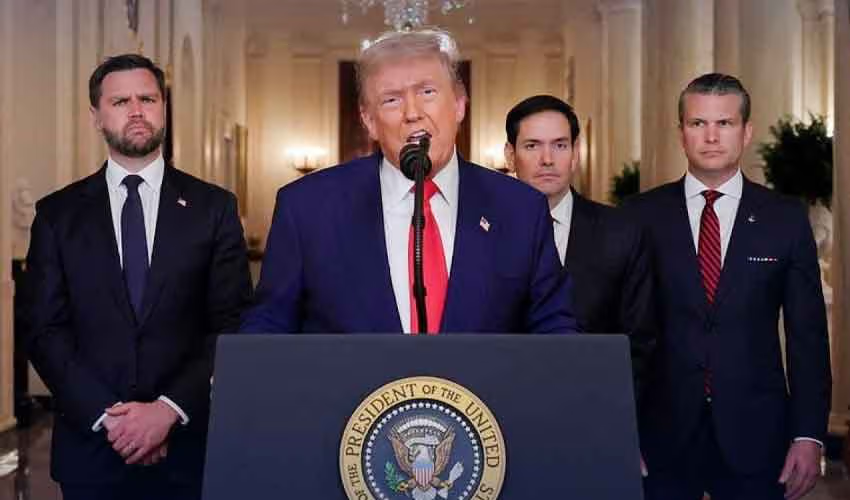
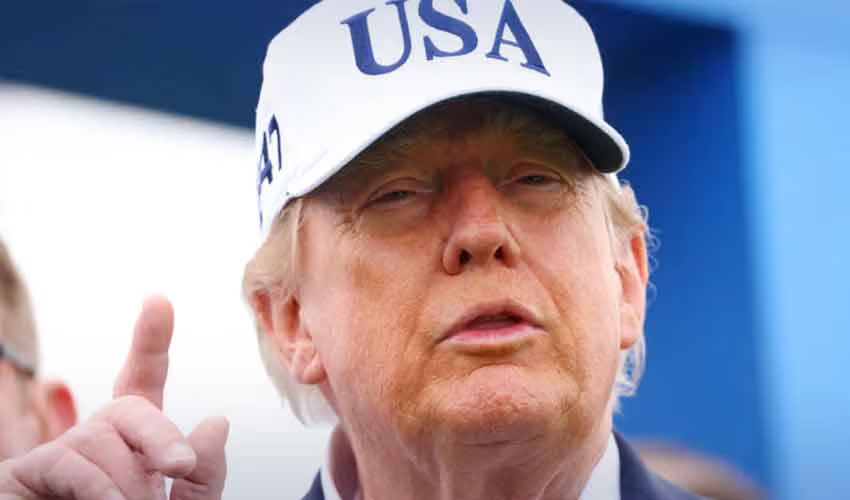
US President Donald Trump says he is approaching a critical decision over whether the United States should resume major military operations against Iran, a sharp change in tone after he suggested only a day earlier that the seven-month war could be nearing its end.
In an interview with Axios on Thursday, Trump said he was considering whether to launch another large-scale offensive against the Iranian regime or pursue another path.
“I have a big decision coming up,” Trump told Axios, while leaving open the possibility of renewed attacks.
The comments came as Washington prepares for a meeting with leaders from six Gulf countries on the sidelines of the United Nations General Assembly in New York next Tuesday.
Trump said he wants to hear directly from regional allies before deciding what happens next, potentially making the meeting an important diplomatic moment for the future direction of the conflict.
Trump Signals Major Military Decision Ahead
Trump’s latest comments contrast with his remarks Wednesday, when he said he hoped the war was “towards the end” and claimed Iran wanted to reach a deal.
The president has repeatedly indicated in recent weeks that the conflict could be brought to an end, but the latest Axios interview shows that the possibility of renewed large-scale military action remains under consideration.
Axios reported that Trump views the conflict as being at a major crossroads and wants to consult Gulf allies before determining whether to push for diplomacy or intensify military operations.
Trump has not announced a timetable for his decision and declined to say whether it would come before or after the November US midterm elections.
Gulf Leaders to Meet Trump in New York
The expected meeting will bring together representatives from the six Gulf Cooperation Council countries: Saudi Arabia, the United Arab Emirates, Qatar, Bahrain, Kuwait and Oman.
Trump said he wants to understand how the regional governments are dealing with the conflict and what they believe should happen next.
The Gulf states have been directly affected by the war because of their geographic proximity to Iran, their energy infrastructure and the presence of US military forces in the region.
According to Axios, the discussions could influence whether Washington attempts another diplomatic initiative or returns to major combat operations. The report also said that renewed US military action would require regional allies to support the next phase.
The State Department has sent invitations for the meeting, while the gathering could potentially include additional Arab and Muslim leaders.
US Blockade Puts Pressure on Iran’s Oil Exports
Trump also highlighted the impact of the US naval blockade on Iran’s oil exports.
The president told Axios that he was satisfied with the effect of the operation and claimed that Iranian oil shipments had been effectively stopped.
The claim is part of Washington’s broader pressure campaign against Tehran, which combines military deployments, sanctions and efforts to restrict Iranian access to international energy markets.
The US has also been working to increase commercial shipping through the Strait of Hormuz, a critical route for global energy supplies.
Despite those efforts, vessel traffic remains well below normal levels. Preliminary tracking data cited in the source material showed only three ships transiting the Strait of Hormuz on Wednesday, compared with a 10-day average of about 17 vessels. Such tracking figures can exclude vessels operating with their identification systems turned off.
Washington Keeps Military Forces in the Region
The United States is maintaining a substantial military presence in the Middle East while Trump considers his next move.
According to Axios, Trump and Defense Secretary Pete Hegseth have ordered US forces to remain at their current levels in the region through the end of the year. The deployment is intended to keep American forces prepared for a possible return to major combat operations.
The continued deployment reflects the uncertainty surrounding the conflict.
The administration is effectively maintaining military readiness while diplomatic possibilities remain open, leaving Washington with several possible paths as the war continues.
Why Washington Previously Avoided Escalation
Trump previously decided against immediately restarting major combat operations after Saudi Arabia and Qatar raised concerns about possible Iranian retaliation against their energy infrastructure.
Those concerns remain important because Gulf countries have experienced direct security and economic consequences from the conflict.
The war has also affected international energy markets and shipping routes. Fighting involving Iran-backed Houthi forces in Yemen has added another layer of pressure on Saudi Arabia and other countries in the region.
Reuters reported that Saudi Arabia and the Houthis have exchanged attacks as the conflict spreads into Yemen, while the latest violence has contributed to concerns over oil infrastructure and maritime traffic.
Iran Says It Remains Open to Diplomacy
While Trump says he is weighing another military offensive, Iranian officials have continued to make diplomatic statements.
Iranian President Masoud Pezeshkian said Iran was prepared to resolve disputes with neighboring countries through dialogue and mutual respect, according to Iranian state media.
Iranian Foreign Minister Abbas Araghchi has also been involved in regional diplomatic contacts, including discussions in China. Beijing has called for restraint and encouraged Washington and Tehran to return to negotiations.
The existence and scope of direct US-Iran contacts remain difficult to independently assess, although Trump has said Iranian officials are communicating with Washington and want an agreement.
White House Works on Postwar Middle East Strategy
At the same time, the Trump administration is preparing for what could follow the Iran conflict.
Axios reported that the White House is developing a broader postwar strategy centered on containing Iran and expanding diplomatic normalization between Israel and neighboring countries. The plan remains under development, with the administration reportedly looking toward the period after the November midterm elections.
The future of the US military presence in the Middle East is also expected to be part of the discussion.
Regional elections and political developments could further influence Washington’s planning, including Israel’s upcoming election and the US congressional midterms.
Trump Leaves Netanyahu Meeting Open
Trump also left open the possibility of meeting Israeli Prime Minister Benjamin Netanyahu during the UN General Assembly in New York.
When asked whether he would meet Netanyahu, Trump responded that he “may,” without confirming a scheduled meeting.
The potential encounter comes as Washington reviews its Iran strategy and prepares for discussions with Gulf governments about regional security.
Meanwhile, Iran is expected to have senior officials at the UN General Assembly after the US approved visas for President Masoud Pezeshkian and Foreign Minister Abbas Araghchi, despite the ongoing conflict.
With military forces still deployed, energy markets under pressure and diplomatic contacts continuing, Trump’s upcoming discussions with Gulf leaders could provide more information about whether Washington is moving toward renewed attacks or another attempt at negotiations.