

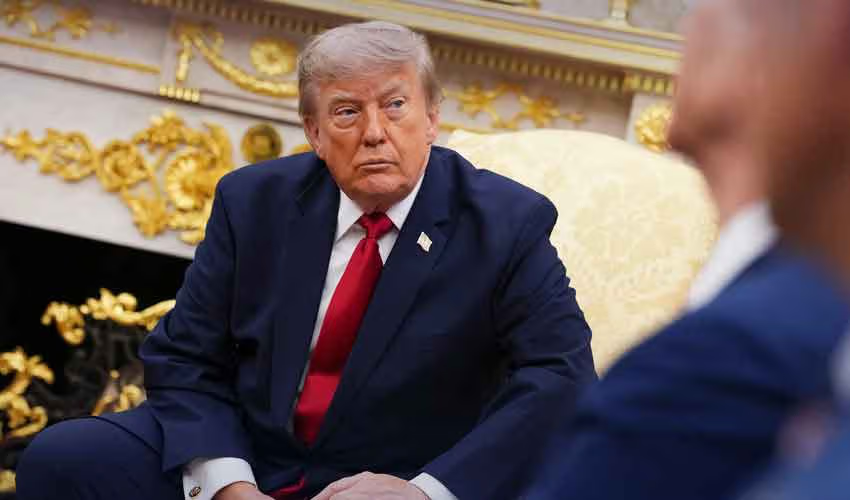
Trump says preventing Iran from obtaining a nuclear weapon justifies higher gas prices as Washington pursues contacts with the Houthis and maintains pressure on Tehran
US President Donald Trump says the war involving Iran will end soon, while confirming that American officials are engaged in talks with Yemen’s Iran-backed Houthi movement.
Trump’s comments come as Washington tries to manage several interconnected fronts across the Middle East, including the conflict with Iran, renewed fighting in Yemen and disruptions affecting global energy markets.
US officials met Houthi representatives in Oman over the weekend, according to Reuters, with the talks taking place as Houthi forces advanced along Yemen’s Red Sea coast and fighting with Saudi-backed forces intensified.
The diplomatic contacts are taking place alongside continued US military pressure on Iran, leaving the Trump administration balancing negotiations with preparations for a potentially prolonged conflict.
Trump Predicts the Iran War Will End Soon
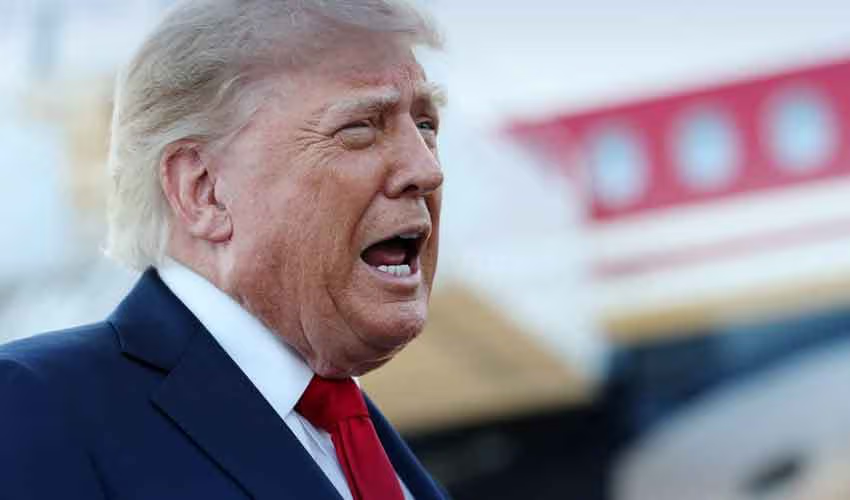
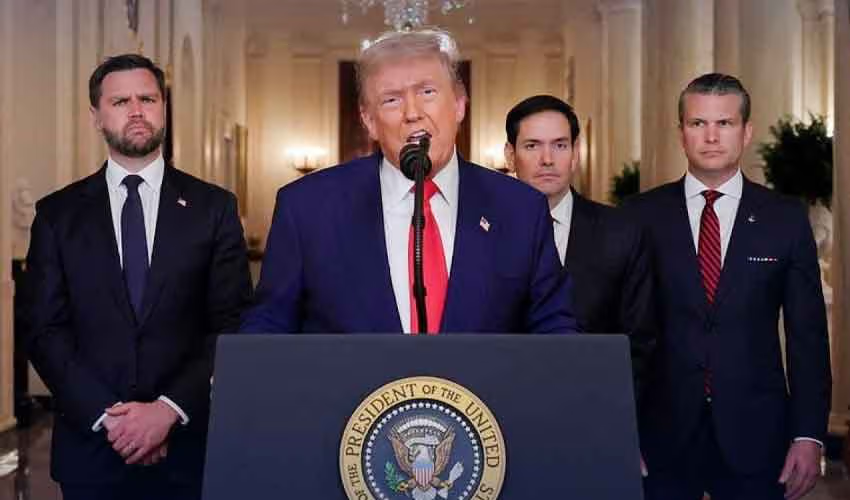
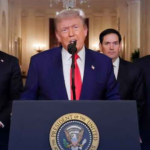
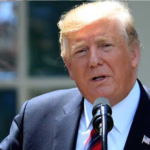
Speaking at the White House on Friday, Trump said the United States was winning the conflict against Iran and again predicted that the war would end soon.
His remarks followed a day in which he said he faced a major decision over whether to resume large-scale attacks against Iran.
Trump has recently sent mixed signals about the next phase of the conflict. He has suggested that Tehran wants an agreement while simultaneously keeping open the possibility of renewed military action.
The president’s latest comments indicate that Washington is continuing to present the possibility of an eventual diplomatic settlement even as military pressure remains in place.
Talks With Houthis Open Another Diplomatic Channel
The confirmation of talks with the Houthis adds another dimension to US efforts to manage the regional conflict.
Reuters reported that US officials met Houthi representatives in Oman and that the discussions included assurances concerning attacks on shipping and US interests.
The Houthis have become an important factor in the wider conflict because of their position along the Red Sea and their links to Iran.
The latest fighting in Yemen has also increased pressure on Saudi Arabia, which has faced Houthi attacks while conducting military operations against Houthi positions.
Washington’s decision to communicate with the group could provide a channel for discussions over maritime security and the possibility of limiting further escalation in Yemen.
Trump Says Higher Gas Prices Are a Price of Preventing a Nuclear Iran
Trump also defended the economic consequences of the Iran conflict, arguing that Americans should accept higher gasoline prices if necessary to prevent Iran from obtaining a nuclear weapon.
In remarks at the White House, Trump said Iran would not obtain a nuclear weapon and argued that many Americans would prioritize preventing that outcome over immediately lowering fuel costs. A transcript of his remarks shows Trump also predicting that gasoline prices would fall back to prewar levels, or potentially lower, once the conflict ends.
Trump has made preventing Iran from obtaining a nuclear weapon one of the central arguments for the US military campaign.
The president has also linked the conflict to the disruption of global energy markets, saying the financial burden on consumers would ease once fighting stops.
Oil Markets Remain Under Pressure
The Iran conflict has created significant uncertainty for international energy markets, particularly because of disruptions around the Strait of Hormuz.
The waterway is one of the world’s most important energy corridors, and prolonged restrictions on shipping can affect crude oil and natural gas supplies moving between the Persian Gulf and global markets.
Recent market movements have shown that oil prices remain highly sensitive to developments involving Iran, Saudi Arabia, Yemen and shipping through the region.
The economic impact extends beyond the price paid at US gas stations, with higher energy costs potentially affecting transportation, manufacturing and consumer prices.
Trump Signs New Russia-Iran Sanctions Law
While Trump was discussing the Iran war and possible negotiations with the Houthis, he also signed new legislation expanding US sanctions powers involving Russia and Iran.
Trump signed the Lindsey O. Graham Sanctioning Russia and Iran Act of 2026 into law on September 18, according to Reuters and the White House. The legislation targets Russian energy and defense interests, including the country’s so-called shadow fleet of tankers used to circumvent sanctions.
The law also extends the Iran Sanctions Act for five years, preserving sanctions authorities related to Iran’s energy sector and other activities. The White House had previously said the Iran provisions would help maintain pressure on Tehran over terrorism and its nuclear ambitions.
The legislation passed the Senate before receiving approval from the House and then Trump’s signature. The House approved the measure 262-159, while the Senate had previously approved it by a large majority.
New Tariff Powers Target Russia’s Energy Buyers
The legislation also gives the president expanded authority to impose tariffs on countries that continue significant purchases of Russian energy.
Under the law, tariffs of up to 100% can be imposed on certain imports from major buyers or facilitators of Russian oil and gas, although the law does not automatically impose such a tariff on any particular country. Implementation depends on the administration’s use of the authority and the conditions established by the legislation.
The measure therefore creates another economic pressure mechanism at a time when Washington is already using sanctions and trade measures as part of its broader foreign policy toward Russia and Iran.
US-Iran Conflict Enters Another Uncertain Phase
The latest developments leave several possible paths open for Washington.
Trump has said he believes the Iran war can end soon, but he has also acknowledged that he faces a major decision about whether to resume large-scale attacks.
At the same time, US officials are maintaining diplomatic contacts with the Houthis, while Washington continues economic pressure on Tehran through sanctions and other measures.
Iran has also indicated that it has conditions for ending the conflict, with regional diplomatic channels remaining active. AP reported Saturday that Tehran had communicated conditions through Qatar that included lifting blockades and releasing assets.
For now, the combination of military pressure, diplomatic contacts and energy-market concerns continues to shape the next phase of the US-Iran conflict.