
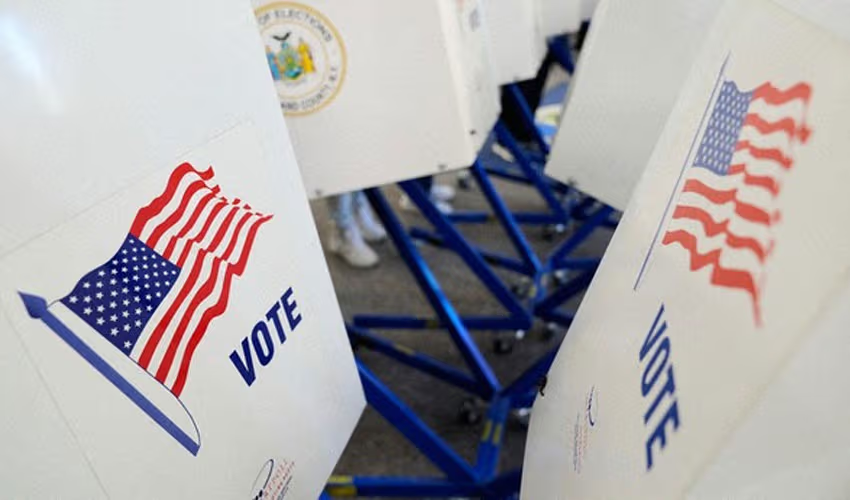
A US federal judge has ordered the Justice Department to stop threatening state and local election officials with prosecution over their refusal to follow the Trump administration’s demands concerning alleged non-citizen voters.
US District Judge Trina Thompson issued a temporary restraining order on Friday, finding that the department had overstepped its authority by using potential legal action against election officials who did not cooperate with its election-related initiatives.
The decision comes just days before the November 3 midterm elections, when voters across the United States will decide which party controls Congress. The ruling places new limits on the administration’s efforts to influence how local authorities manage voter registration and election procedures.
In her order, Thompson stressed the importance of allowing election officials and workers to perform their responsibilities under existing federal laws and established election procedures.
She said the public had a significant interest in ensuring that those responsible for administering elections could carry out their duties without improper pressure.
The Justice Department did not immediately comment on the ruling.
Judge Restricts Federal Demands on Voter Registration
The temporary restraining order prevents the Trump administration from requiring local election officials to remove voters from statewide registration lists based on federal demands.
It also bars the administration from directing officials to reject ballots from particular voters or separate ballots cast in the midterm elections based on a federal list of people identified as alleged non-citizens.
The lawsuit was filed by election workers’ unions and other organisations challenging the administration’s actions. The plaintiffs raised concerns about the federal government’s efforts to influence state and local election administration, particularly so close to election day.
Judge Thompson considered the timing of the dispute an important factor in granting temporary relief. With voting approaching, changes to registration procedures or ballot handling could create uncertainty for election administrators and voters.
The order is intended to protect local election processes while the legal challenge continues. It does not mean that election officials are exempt from federal election laws or that legitimate investigations into voter eligibility are prohibited.
Instead, the ruling limits the specific demands and threats challenged in the lawsuit.
Trump Administration Faces Scrutiny Over Election Oversight
The court decision follows months of increased federal attention to election procedures under the Trump administration.
Federal officials have pressed states to provide voter-registration information, arguing that stronger oversight is necessary to identify potential irregularities and protect election security.
The administration has maintained that measures addressing alleged non-citizen voter registration are important for maintaining confidence in the electoral system.
However, the approach has faced criticism from election experts and public officials who argue that federal intervention could interfere with responsibilities traditionally handled by state and local authorities.
Democratic officials and some Republicans have also raised concerns about the administration’s demands, describing them as an attempt to expand federal influence over election administration.
The disagreement highlights a broader debate over the division of responsibilities between the federal government and state authorities in conducting elections.
Election Officials Prepare for Possible Federal Interference
The lawsuit also reflects concerns among election administrators about the potential impact of federal pressure during the final days before voting.
Some election officials told Reuters they were preparing for possible federal interference in the midterm elections. Their concerns include the possibility that federal demands could disrupt established procedures or create confusion over how voter registration and ballots should be handled.
Local election offices are responsible for carrying out many practical aspects of voting, including maintaining registration records, processing ballots and following state-specific election rules.
The legal dispute has therefore raised questions about how far federal agencies can go when seeking changes to state election procedures.
The timing is particularly important because election offices must prepare for voting under established deadlines. Sudden changes to registration lists or ballot-handling instructions could create additional administrative challenges.
Midterm Elections Bring Election Administration Into Focus
The November 3 midterm elections will determine control of both chambers of Congress, making election administration and voting procedures major issues in the final days of the campaign.
The dispute over alleged non-citizen voters has become part of a wider political and legal debate about election security, voter eligibility and the authority of federal agencies.
While the Trump administration has argued that its efforts are intended to strengthen election safeguards, critics have questioned whether the measures could undermine the independence of state and local election officials.
Judge Thompson’s temporary restraining order adds an important legal development to that debate by restricting the Justice Department’s ability to pressure local officials over the disputed demands.
The case also highlights the role of federal courts in resolving conflicts between national authorities and state election administrators.
With election day approaching, the immediate focus will be on whether local officials can continue their work under existing procedures without facing the specific threats challenged in the lawsuit. The broader legal questions surrounding federal election oversight may continue beyond the November vote.