


WASHINGTON, D.C.: The United States has officially removed Syrian President Ahmed al-Sharaa from its terrorism blacklist, just days before his expected landmark visit to Washington — a move signaling a dramatic shift in U.S. foreign policy toward Syria.
The State Department confirmed the decision on Friday, ending more than a decade of U.S. sanctions and restrictions imposed on the Syrian leader. The move follows a United Nations Security Council vote, led by Washington, to lift global sanctions against Sharaa, marking the latest step in restoring diplomatic relations after years of international isolation.
“These actions are being taken in recognition of the progress demonstrated by the Syrian leadership after the departure of Bashar al-Assad and more than 50 years of repression under the Assad regime,” State Department spokesman Tommy Pigott said in an official statement.
Pigott added that President Sharaa’s government has “met key U.S. conditions,” including cooperating on locating missing American citizens, dismantling remnants of chemical weapons programs, and working with regional partners to stabilize Syria’s borders.
From blacklisted to recognized leader
Ahmed al-Sharaa, once linked to Al-Qaeda and designated as a “Specially Designated Global Terrorist,” had a U.S. bounty on his head during Syria’s civil conflict. His recent rise to power came after a swift military campaign nearly a year ago, supported by Turkey and several Gulf Arab states, which ousted Assad’s loyalists and ushered in a new transitional government in Damascus.
Since assuming leadership, Sharaa has sought to normalize relations with Western nations, pledging to root out jihadist remnants and introduce democratic reforms. His upcoming visit to Washington — scheduled for Monday — will be the first by a Syrian head of state in over two decades.
A cautious new chapter in US–Syria relations
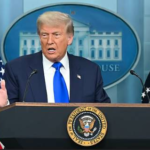
President Donald Trump is expected to host Sharaa at the White House, where discussions will reportedly center on counterterrorism cooperation, humanitarian aid, and the resettlement of refugees displaced by years of war.
While the move has drawn cautious optimism from global observers, U.S. ally Israel has expressed concerns about Washington’s outreach to Damascus. Israeli officials have long viewed Syria as a strategic threat and have intensified airstrikes in recent months, targeting militia positions and supply routes linked to Iran.
Analysts say Sharaa’s delisting marks a pivotal moment in Middle Eastern geopolitics, potentially paving the way for Syria’s reintegration into the international community after years of pariah status.