







The White House is pressuring top U.S. defense contractors to speed up weapons production following recent military operations in Iran and other conflict zones that have depleted munitions stockpiles.
Officials confirm that senior executives from companies including Lockheed Martin and Raytheon Technologies (RTX) have been summoned to a high-level meeting on Friday. The focus: replenishing U.S. munitions inventories and ensuring key weapons like Tomahawk cruise missiles are produced faster to support ongoing military readiness.
Raytheon and Tomahawk Production
As part of the push, Raytheon has agreed to ramp up Tomahawk production, while the Pentagon plans to purchase 57 missiles in 2026, each costing approximately $1.3 million. Deputy Defense Secretary Steve Feinberg is leading the effort, urging companies to prioritize production over shareholder payouts. Recent executive orders indicate that firms failing to meet production targets could face penalties or contract termination.
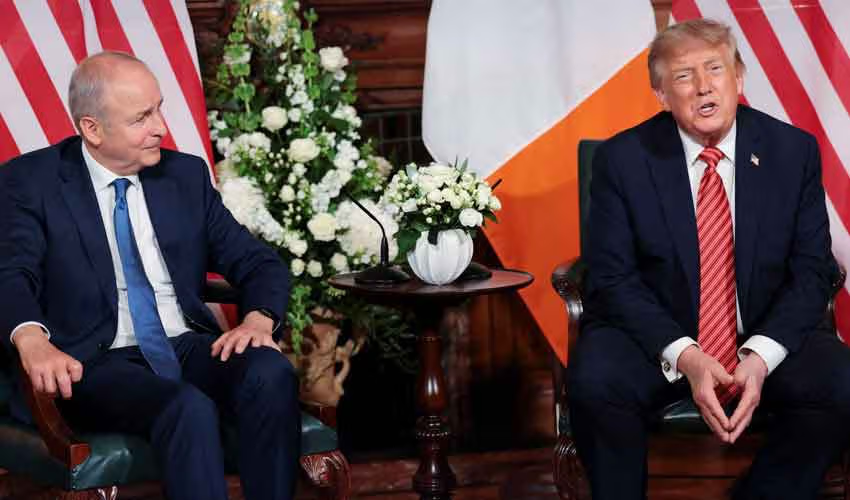
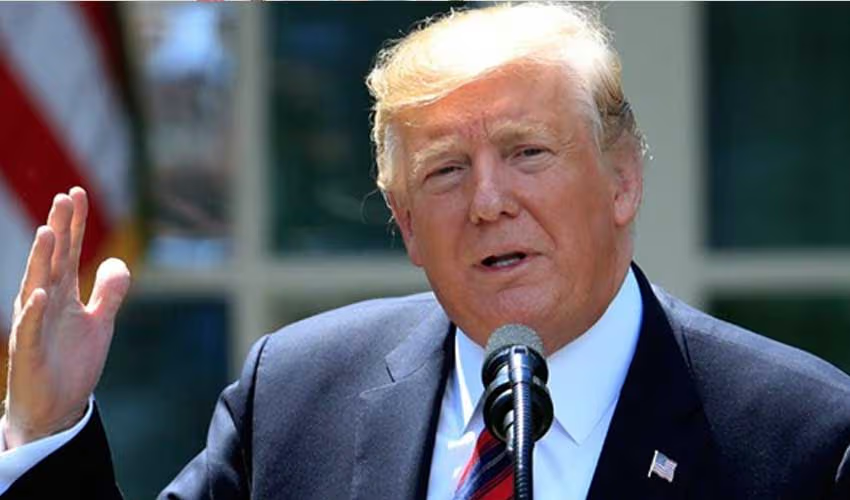
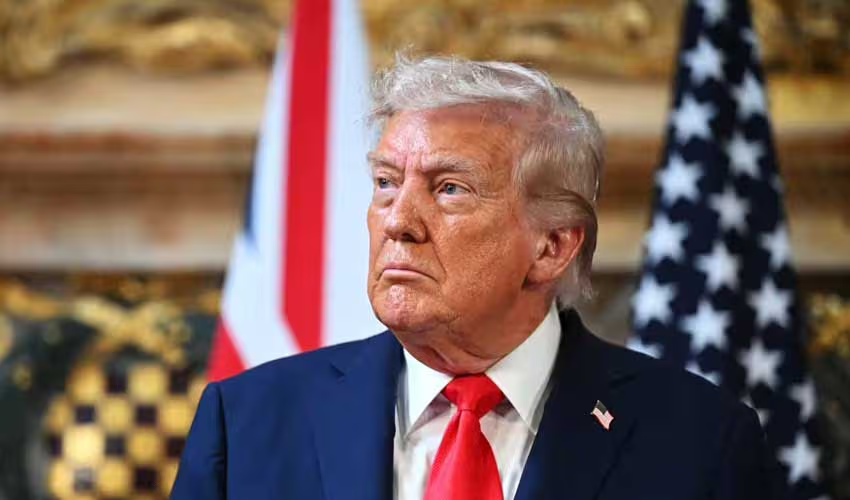
Despite public statements from President Donald Trump claiming the U.S. has an “unlimited supply” of munitions, officials acknowledge that stockpiles are under significant strain due to multiple ongoing conflicts.
Stockpiles Strained by Multiple Conflicts
Recent U.S. strikes on Iran deployed a heavy arsenal, including Tomahawk missiles, F-35 stealth fighters, and attack drones. U.S. forces have struck nearly 2,000 targets, destroying hundreds of missiles, launchers, and drones. In retaliation, Iran launched over 500 ballistic missiles and 2,000 drones, prompting ongoing operations to neutralize remaining mobile missile launchers.
The military escalation is compounded by ongoing operations in Ukraine and Gaza, stretching U.S. defense resources and underscoring the urgent need for increased production.
Regional and Global Implications
The conflict has disrupted regional security, with the U.S. closing embassies in Saudi Arabia, Kuwait, and Lebanon, and advising citizens to leave certain areas after suspected Iranian drone attacks.
The escalation has also affected global markets. Oil prices surged following disruptions in the Strait of Hormuz, and U.S. stock indices, including the Dow, S&P 500, and Nasdaq, posted modest declines.
Admiral Brad Cooper, head of U.S. Central Command, confirmed that more than 50,000 troops, 200 fighter jets, two aircraft carriers, and bombers are actively engaged, with additional assets en route. U.S. forces are working to degrade Iran’s air defenses and locate mobile missile launchers to reduce future threats.