
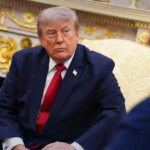
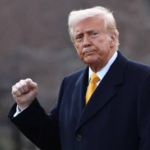
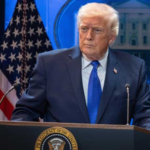
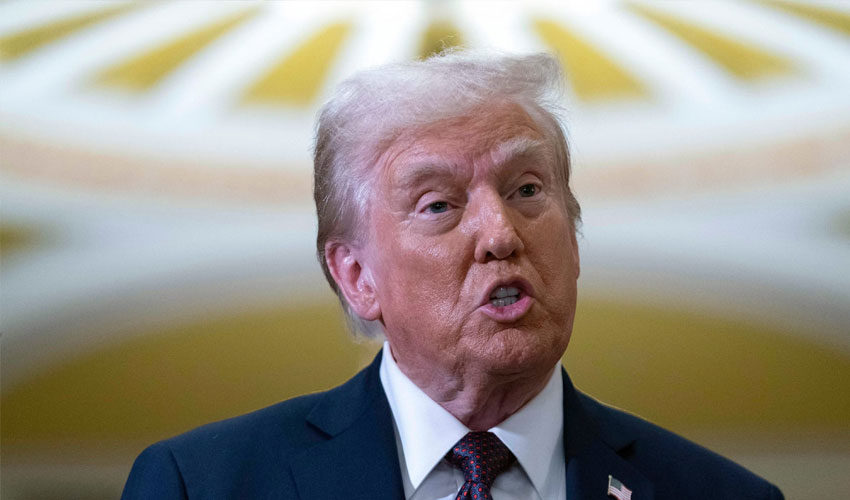
Washington / Islamabad – US President Donald Trump has suggested that a second round of US-Iran negotiations could take place as early as Friday, signaling possible momentum in diplomatic efforts aimed at stabilizing the increasingly tense situation in the Middle East.
The comments come as Pakistan intensifies its mediation role, working behind the scenes to bring Washington and Tehran back to the negotiating table amid a fragile ceasefire and ongoing geopolitical pressure points, including maritime disputes and sanctions.
Trump Signals “Good News” on Iran Talks
In an interview with the New York Post, Trump indicated that developments in the Iran negotiations could be imminent, hinting that “good news” may emerge within days.
When asked about the possibility of a second round of talks, he responded briefly, saying: “It’s possible!”
The remarks suggest cautious optimism from the White House as diplomatic channels remain active despite unresolved tensions over military activity, sanctions, and regional security concerns.
Pakistan Expands Role as Key Mediator
Diplomatic sources in Islamabad report a significant increase in behind-the-scenes engagement between US and Iranian representatives. According to officials familiar with the process, discussions could take place within 36 to 72 hours, depending on final confirmations from both sides.
Pakistan has emerged as a central mediator, facilitating communication between Washington and Tehran and helping maintain the framework for continued negotiations.
Officials say Islamabad’s role has become increasingly important as direct trust between the two major powers remains limited.
Ceasefire Holds Amid Controlled Tensions
The current ceasefire agreement, which was recently extended following Trump’s directive, has largely held despite continued political rhetoric from both sides.
A source in Islamabad described the situation as “stable,” noting that there has been no significant military escalation in recent days. This relative calm is being viewed by mediators as a positive sign that both sides may still be open to dialogue.
However, tensions remain high due to unresolved strategic issues, including maritime security in the Gulf region.
Iran’s Conditions for Negotiation
Iran has reportedly linked its participation in further talks to specific conditions, most notably the easing of restrictions on maritime movement in the Strait of Hormuz, one of the world’s most critical energy corridors.
Tehran has also expressed willingness to continue discussions in Islamabad, provided that certain pressure measures are reduced.
Despite this, Washington has maintained a firm stance, continuing military readiness operations and sanctions-related pressure while awaiting concrete proposals from Iran.
No Official Confirmation Yet
While Trump has expressed optimism about the timing of renewed talks, neither the United States nor Iran has formally confirmed a scheduled meeting. Previous attempts to initiate discussions have faced delays due to logistical issues and lack of agreement on final terms.
Analysts say the success of the next round of diplomacy will depend heavily on confidence-building measures, including maritime security arrangements and clarity on nuclear-related concerns.
Fragile Path Toward Negotiation
With Pakistan continuing its diplomatic push and both sides maintaining cautious engagement, the situation remains fluid. While Trump’s remarks point to potential progress, the absence of formal confirmation highlights how delicate the process remains.