
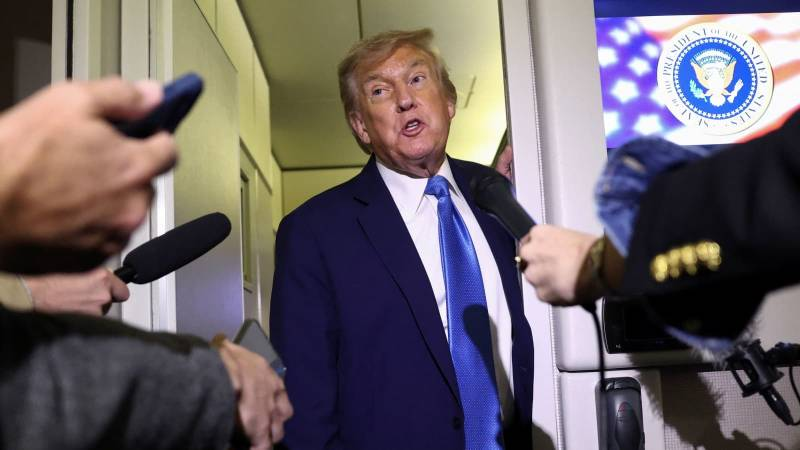
Las Vegas, USA – US President Donald Trump described the ongoing conflict with Iran as a “little diversion” during a public event in Las Vegas on Thursday, even as new polling data shows growing dissatisfaction among American voters over the war and its economic impact.
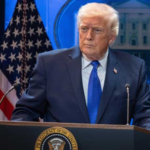
Speaking at an event promoting his “no tax on tips” policy tied to last year’s major tax reform package, Trump defended his administration’s economic record while briefly addressing the Middle East conflict that has increasingly shaped global markets and US foreign policy debates.
“We had the best economy in the history of our country in my first term. And we’re blowing it out now… And despite our little diversion to the lovely country of Iran, lovely place,” Trump said to supporters.
He added that the military campaign was necessary, arguing that failure to act could have led to more serious consequences tied to Iran’s nuclear capabilities. “We had to do that, because otherwise, bad things could happen, the really bad thing,” he said.
Growing Public Concern Over War Costs
Recent polling suggests the Iran conflict is becoming a political liability for the administration. An Ipsos survey conducted last weekend found that 51% of Americans believe the war is not worth the costs, while only 24% said it was justified.
The findings reflect increasing public concern over the financial and geopolitical consequences of the conflict, particularly as energy prices and global uncertainty continue to rise.
A separate Quinnipiac University poll released Wednesday showed that 65% of US voters blame Trump for rising gas prices, which analysts link to disruptions in global oil flows following instability in the Strait of Hormuz, a critical maritime route for energy exports.
Declining Approval on Iran Policy
The same Quinnipiac poll also found that only 36% of voters approve of Trump’s handling of the Iran situation, while 58% disapprove, marking a notable decline in support for the administration’s foreign policy approach.
Political analysts say the numbers highlight a widening gap between the administration’s strategic messaging and public perception, particularly as the economic effects of the conflict begin to influence household costs across the United States.
Energy Market Pressure and Strategic Risks
The ongoing war in Iran has contributed to volatility in global oil markets, with disruptions in shipping routes and increased security risks driving up energy prices. The Strait of Hormuz, through which a significant portion of global oil supplies pass, remains a key flashpoint in the conflict.
Economists warn that sustained instability in the region could continue to place upward pressure on fuel prices, transportation costs, and inflation, adding to domestic political pressure on Washington.
Political Debate Intensifies
Trump’s remarks come as debate intensifies in Washington over the scope and duration of US involvement in the conflict. Supporters argue the operation is necessary to prevent broader security threats, while critics warn of rising costs, international instability, and declining public support.
The combination of military escalation and economic strain has turned the Iran conflict into one of the most contentious foreign policy issues of Trump’s second term.