

Washington, D.C. – The United States has intensified economic pressure on Iran with a new sanctions push reportedly aimed at disrupting funding channels linked to Hezbollah, as tensions continue to escalate across the Middle East. The US Treasury Department has labeled the initiative “Operation Economic Fury,” signaling a broader strategy to weaken Tehran’s regional influence through financial restrictions.
The move comes amid heightened military and diplomatic friction between Washington and Tehran, with officials framing the sanctions as part of a wider effort to constrain Iran’s regional networks and maritime activity.
“Operation Economic Fury” Expands Economic Pressure
According to officials briefed on the campaign, the new sanctions package targets financial systems and intermediary networks allegedly used by Iran to support allied groups, including Hezbollah. The initiative is designed to further restrict Iran’s access to international markets and limit its ability to finance overseas operations.
US authorities say the measures will focus heavily on shipping routes, banking intermediaries, and maritime logistics networks, particularly those linked to activity near the Strait of Hormuz, a key global energy chokepoint.
Treasury officials have not disclosed the full scope of entities involved but indicated that additional designations are expected in the coming days.
Pentagon Signals Continued Military Pressure
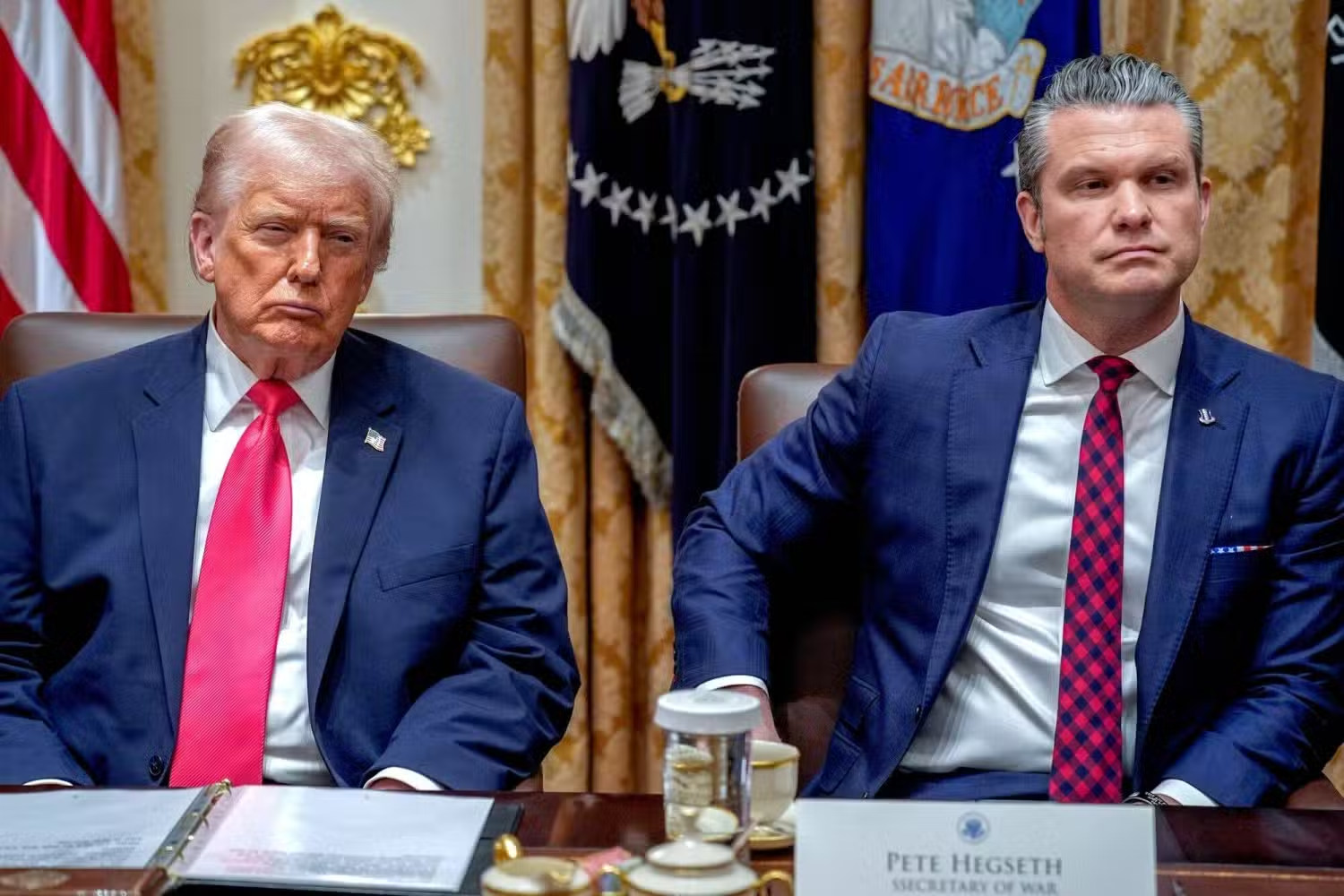
In a separate briefing tied to the announcement, US War Secretary Pete Hegseth issued a warning to Tehran, stating that Iran should “choose wisely” and be prepared for further consequences if it makes what Washington considers “poor decisions.”
He also confirmed that restrictions tied to Iranian maritime operations near or within the Strait of Hormuz will remain in place “for as long as necessary,” underscoring the strategic importance of the waterway in the ongoing standoff.
Hegseth’s remarks reflect Washington’s dual-track approach—combining economic sanctions with military deterrence—aimed at limiting Iran’s operational flexibility in the region.
Focus on Hezbollah Financing Networks
US officials say a key objective of the sanctions campaign is to disrupt financial flows allegedly supporting Hezbollah, the Iran-aligned group based in Lebanon. The group has long been designated as a terrorist organization by the United States and several Western governments.
By targeting financial pipelines, shipping networks, and offshore intermediaries, the US aims to reduce Hezbollah’s ability to sustain operations and acquire advanced weapons systems.
Analysts note that cutting off funding channels could have ripple effects across multiple conflict zones, including Lebanon, Syria, and parts of the Gulf region.
Rising Regional Tensions and Maritime Security
The sanctions announcement comes amid ongoing instability in the Gulf, where maritime security has become a growing concern due to repeated disruptions near the Strait of Hormuz.
Energy markets remain sensitive to any escalation in the region, with analysts warning that further restrictions or military actions could increase volatility in global oil prices and shipping insurance costs.
Several international shipping firms have already adjusted routes or increased security measures in response to heightened risks in the area.
Broader Strategic Message to Tehran
US officials describe the new sanctions push as part of a broader strategy to increase pressure on Iran’s leadership while limiting its regional alliances. The campaign signals a continuation of Washington’s aggressive posture toward Tehran, combining financial, diplomatic, and military tools.
While Iran has not formally responded to the latest announcement, regional observers expect a strong reaction from Tehran and its allied groups, particularly if additional sanctions or maritime restrictions are introduced.