
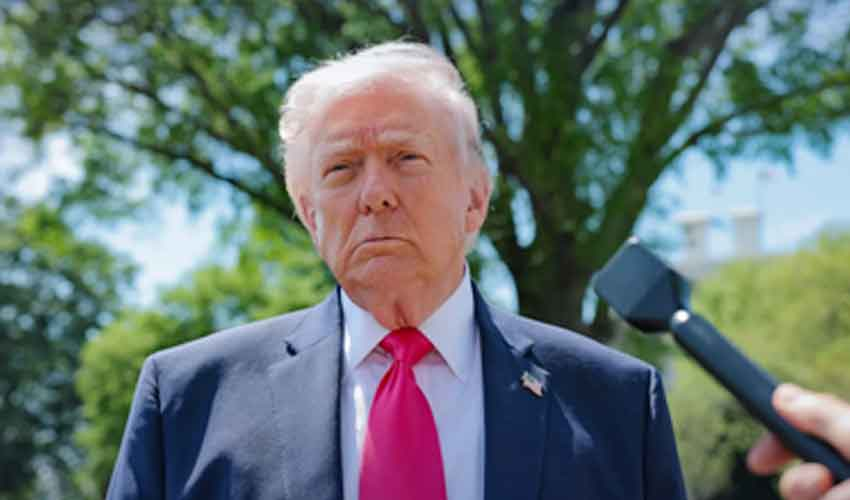
Washington, D.C. / Islamabad – US President Donald Trump has indicated he is open to meeting Iran’s top leadership if ongoing diplomatic negotiations show progress, signaling a potential shift toward high-level engagement as a senior US delegation prepares for fresh talks in Islamabad.
The remarks come at a sensitive moment in US-Iran relations, with both sides engaged in intensified diplomacy alongside continuing regional tensions and unresolved security disputes.
Trump Open to Direct Engagement with Iranian Leaders
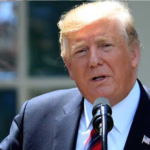
Speaking in comments shared during a press interaction and later referenced by US media, Trump said he would “have no problem meeting them,” referring to Iran’s leadership.
He added that the current stage of negotiations is serious, stating that “nobody is playing games” as diplomatic efforts advance.
According to Trump, a direct meeting with Iranian officials could be possible if ongoing talks produce meaningful progress, suggesting a willingness to escalate diplomacy to the highest political level if conditions align.
US Delegation Heads to Islamabad for High-Stakes Talks
A senior US delegation is currently preparing to travel to Islamabad for a new round of negotiations with Iranian representatives. The team is expected to include key officials and is widely reported to be led by Vice President JD Vance, although final confirmation of the lineup remains pending.
Sources familiar with the planning say the delegation is expected to arrive in Pakistan within hours, though the White House has emphasized that the schedule remains fluid and subject to change.
Trump, speaking in a phone interview with the New York Post, said the delegation was “heading over now” and expected to arrive in Pakistan by night, though officials cautioned that the timeline is still being finalized.
Second Round of US-Iran Talks Scheduled
Diplomatic sources indicate that a second round of US-Iran talks is tentatively scheduled for Wednesday in Islamabad. The discussions follow earlier engagement efforts that reportedly focused on de-escalation and establishing conditions for longer-term negotiations.
While details remain closely guarded, officials confirm that the central US position remains unchanged: Iran must not pursue nuclear weapons capabilities, a requirement described as non-negotiable in Washington’s framework.
Maritime Tensions and Regional Pressure
The talks are also taking place against a backdrop of heightened maritime tensions, including disputes related to the Strait of Hormuz, a critical global shipping route. Concerns over vessel security and regional naval activity have added urgency to the negotiations.
Trump addressed these issues directly, expressing confidence that Iran would continue participating in diplomatic efforts despite ongoing disagreements over maritime security and broader regional operations.
“Nobody Is Playing Games,” Says Trump
Reiterating his cautious optimism, Trump emphasized that negotiations are now entering a serious phase.
At this point, he said, “nobody is playing games,” suggesting that both Washington and Tehran are aware of the stakes involved and are moving toward more substantive engagement.
The comments reflect a shift toward intensified diplomacy, even as public statements from both sides continue to signal deep mistrust and unresolved strategic differences.
High Stakes for Regional Stability
The upcoming Islamabad talks are being closely watched by international observers, as they could shape the next phase of US-Iran relations and influence broader stability across the Middle East.
With nuclear concerns, maritime security, and regional alliances all intersecting, the outcome of these negotiations is expected to carry significant geopolitical implications.