

London – Leading human rights organization Amnesty International has issued a stark warning that powerful world leaders are attempting to reshape global politics into a “predatory world order,” where force and domination replace diplomacy and international law.
The comments were made during the launch of Amnesty’s annual global human rights report in London, where Secretary General Agnes Callamard criticized the United States, Russia, and Israel for what she described as increasing authoritarian and unilateral behavior on the world stage.
“Predator” Leaders and a Shifting Global System
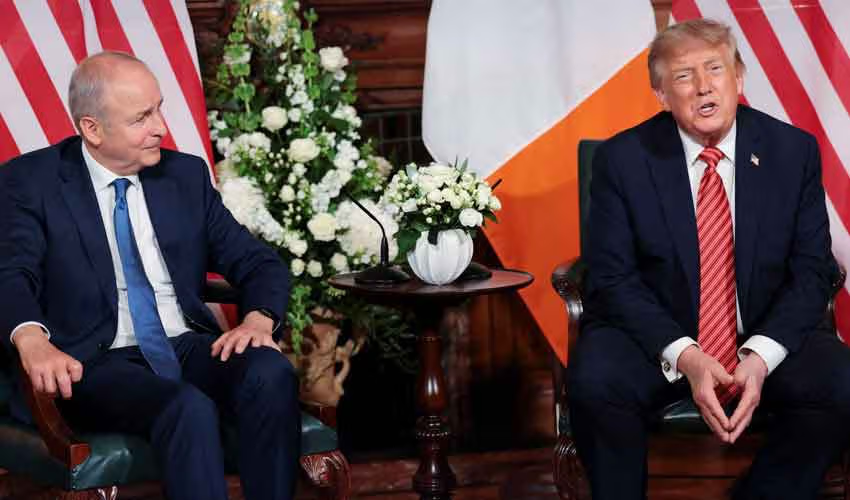
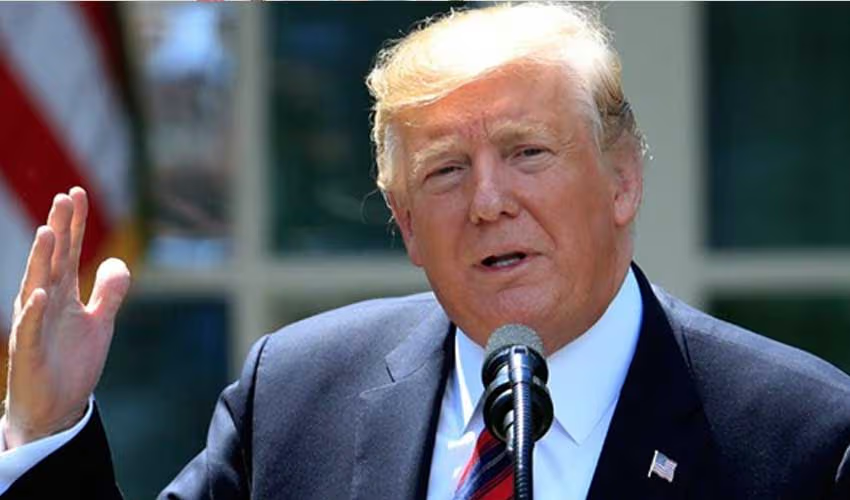
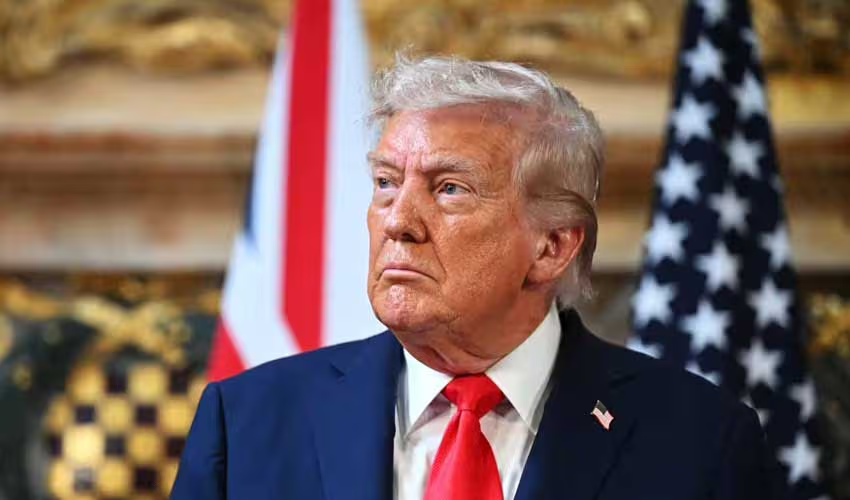
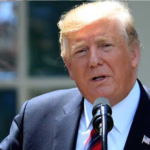
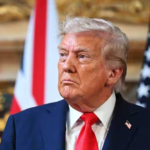
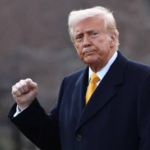
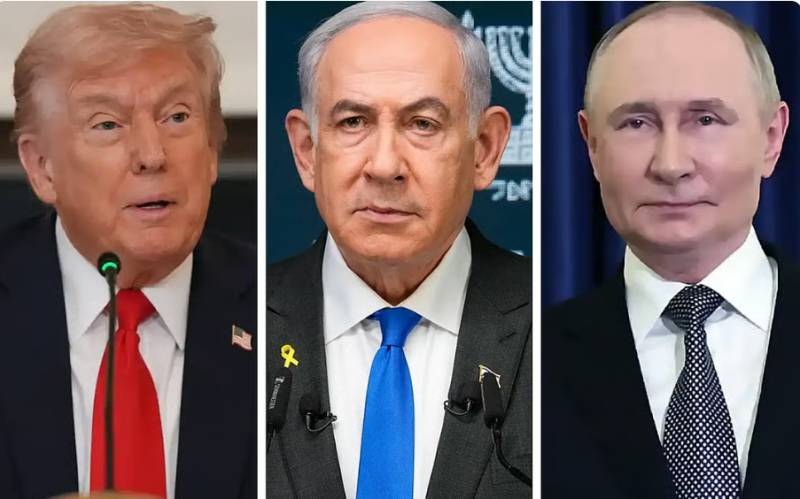
Callamard directly named US President Donald Trump, Russian President Vladimir Putin, and Israeli Prime Minister Benjamin Netanyahu, referring to them as “predators” who are undermining the multilateral system established after World War II.
According to Amnesty, these leaders are advancing a global environment where “war, not diplomacy, rules,” replacing international cooperation with power-driven decision-making and geopolitical coercion.
The report warns that the current trajectory could dismantle decades of progress in global governance, describing the moment as a potential turning point for the international order.
Warning of a “Fragile and Dangerous Era”
Callamard said the world is entering a period that could “destroy all that was built up over the last 80 years,” arguing that governments are increasingly abandoning human rights protections in favor of strategic and military priorities.
She accused major powers of pursuing “economic and political domination through destruction, suppression, and violence on a massive scale,” warning that such actions are weakening the foundations of international law.
Amnesty also criticized what it described as the reluctance of many governments—particularly in Europe—to challenge powerful states, calling it an “era of cowardice” in global diplomacy.
Criticism of US, Russia, and Israel Policies
The report alleges that under Trump’s leadership, the United States has engaged in actions that weaken rule-of-law institutions and restrict rights protections. It also claims that Russia continues to suppress dissent while promoting a conservative social agenda tied to state policy.
On Israel, Amnesty accused world powers of failing to take meaningful action to address alleged violations in Gaza, including what it described as unlawful occupation and systemic discrimination.
The organization called on governments to consider stronger measures, including economic pressure and sanctions, particularly through the European Union’s relationship with Israel.
Europe and Global Response Under Scrutiny
Amnesty argued that most governments have failed to adequately respond to escalating global conflicts, with only a few countries taking a stronger stance on human rights issues.
It specifically highlighted Spain and Slovenia as exceptions within the European Union for their positions on the Gaza conflict, while urging other EU member states to reassess their diplomatic and trade agreements.
China and Broader Geopolitical Influence
While not included in Amnesty’s “predator” classification, China was still criticized for its geopolitical influence, including alleged support for military authorities in Myanmar and its alignment with Russia in certain global matters.
The report suggests that major global powers are increasingly prioritizing strategic interests over human rights commitments, contributing to a more fragmented and unstable international system.
Crackdown on Dissent and Civil Liberties
Amnesty also raised concerns about restrictions on protest rights in multiple countries, including the United Kingdom, where it criticized the banning of activist groups and mass arrests of demonstrators.
The organization warned against the growing criminalization of peaceful protest and civil disobedience, calling it a dangerous trend that threatens democratic freedoms worldwide.
A Warning of Global Instability
Amnesty’s annual report paints a picture of a world entering a more divided and confrontational phase, where geopolitical competition is increasingly overriding human rights norms and international cooperation.
The organization urged governments to re-commit to multilateral diplomacy and human rights protections before global instability becomes irreversible.