

Viral Misinformation Spreads After Washington Shooting Incident
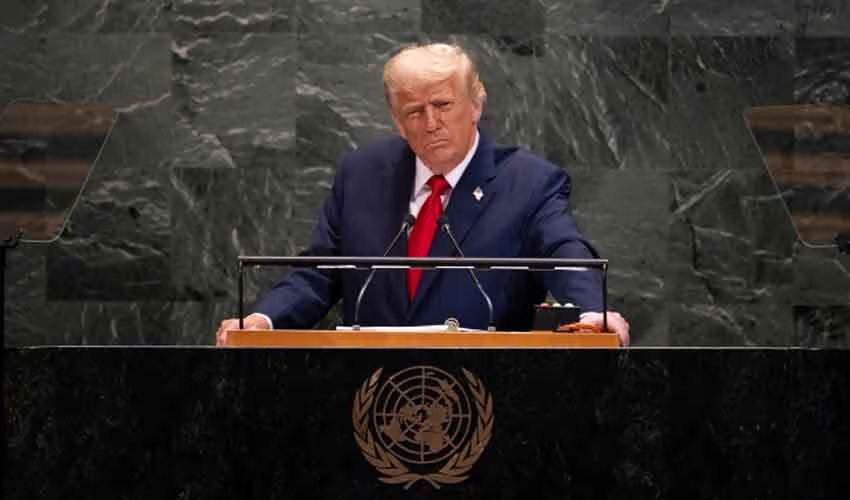
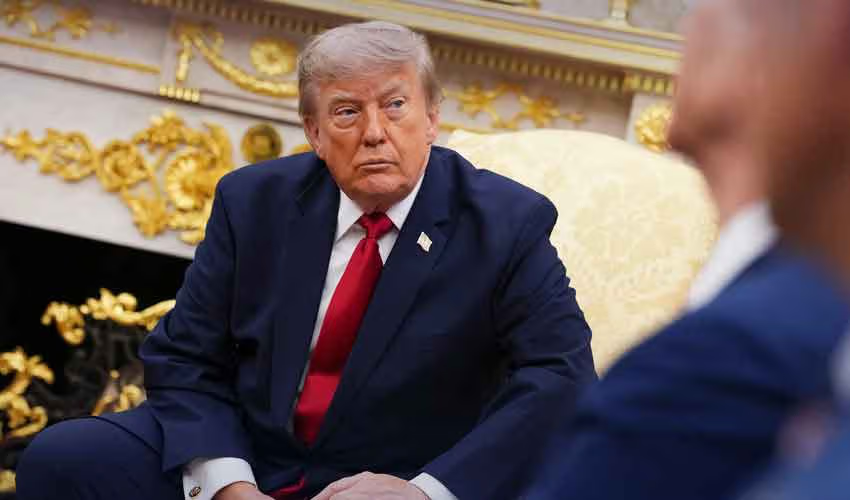
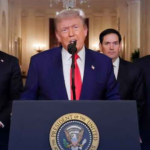
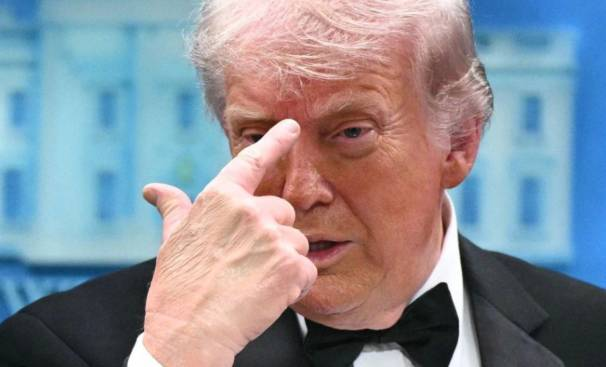
A recent shooting scare involving U.S. President Donald Trump has triggered a wave of misinformation online, with unverified conspiracy theories claiming the attack may have been staged for political gain.
The incident, which occurred over the weekend at the Washington Hilton during a high-profile political gala, led to the evacuation of Trump and senior administration officials after gunfire was reported outside the venue. Authorities have described the event as a serious security breach, and a suspect has been arrested and charged.
Despite the ongoing federal investigation, false narratives quickly spread across social media platforms, reigniting previously debunked claims that Trump has orchestrated or benefited from staged assassination attempts.
“Staged Attack” Claims Gain Millions of Views Online
According to misinformation monitoring reports, posts suggesting the shooting was orchestrated gained significant traction online, particularly on X (formerly Twitter), where engagement reportedly reached tens of millions of views within days.
Fact-checkers from AFP identified multiple accounts promoting the theory that the White House incident was fabricated to shift public attention away from international tensions, including the ongoing US-Israel geopolitical situation and broader Middle East conflict developments.
Disinformation watchdog NewsGuard also noted that similar accounts had previously pushed identical claims following earlier alleged assassination attempts involving Trump in 2024.
“BlueAnon” Narrative Resurfaces in Political Discourse
Researchers tracking online misinformation describe the resurgence of what is often called “BlueAnon”, a loosely organized conspiracy trend seen as a mirror of right-wing “QAnon”-style theories.
This narrative suggests that high-profile political events involving Trump are staged or manipulated, despite no credible evidence supporting such claims.
Experts say these theories often recycle past incidents and reframe them as “proof” of broader political manipulation strategies, even when investigations point to real security threats and criminal activity.
Officials and Experts Reject Claims as Baseless
There is currently no evidence supporting the idea that the Trump administration or any federal agency staged the Washington shooting incident.
U.S. officials have instead characterized the attack as a genuine security threat. The suspect, identified as 31-year-old Cole Tomas Allen, is facing multiple federal charges, including attempted murder of a federal officer.
Authorities continue to investigate his background, alleged manifesto, and travel history as part of an expanding federal case.
Social Media Acceleration of Political Conspiracy Theories
Analysts say breaking news events involving political violence often become fertile ground for misinformation due to rapid information gaps and high emotional engagement online.
During such moments, unverified claims can spread faster than official updates, especially on platforms where moderation has been reduced in recent years.
Disinformation researchers note that both left-leaning and right-leaning online communities have contributed to circulating staged-attack theories at different times, particularly during periods of heightened political tension in the United States.
Foreign and Domestic Amplification of False Narratives
Reports from monitoring groups indicate that state-affiliated media outlets in countries such as Russia and Iran have also amplified conspiracy theories surrounding the incident, including unsupported claims of foreign military involvement.
At the same time, some U.S.-based political influencers across the ideological spectrum have continued to engage with similar narratives, further complicating the information landscape.
Experts warn that the blending of domestic political commentary with international disinformation efforts makes it increasingly difficult for the public to distinguish verified facts from manipulated content.
Monetization and Algorithmic Incentives Fuel Spread
Media analysts argue that conspiracy theories often thrive due to engagement-driven algorithms and monetization systems on social platforms.
Sensational claims, even when unverified, tend to attract higher engagement, leading some creators to amplify controversial narratives for visibility and revenue.
Researchers suggest that this dynamic has created an ecosystem where political misinformation can become financially rewarding, regardless of accuracy.
Growing Polarization Shapes Online Reaction
The renewed conspiracy debate highlights deepening political polarization in the United States, where major events involving Trump often trigger sharply divided interpretations online.
While law enforcement agencies continue their investigation into the Washington shooting, misinformation experts caution that conspiracy narratives may persist long after official findings are released, particularly in highly partisan digital spaces.