

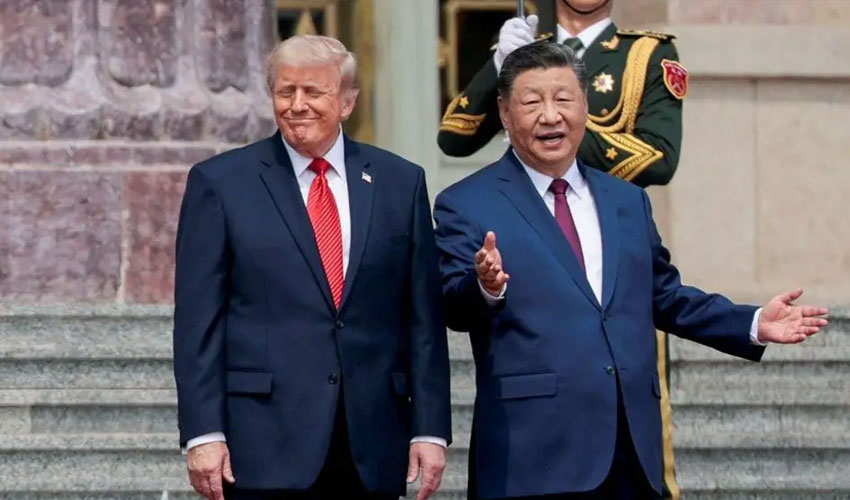
Xi Jinping Calls for Cooperation and Stability in High-Stakes US–China Summit
Chinese President Xi Jinping has called for deeper cooperation with U.S. President Donald Trump, urging both countries to avoid confrontation and instead “build a brighter future” for global stability during closely watched bilateral talks.
The meeting, described by analysts as a pivotal moment in U.S.–China relations, focused on economic ties, geopolitical tensions, and the broader direction of global governance at a time of rising international uncertainty.
Xi stressed that the world is undergoing rapid transformation and warned that global conditions are becoming increasingly “fluid and turbulent.”
“New Crossroads” for Global Order, Xi Warns
In his opening remarks, Xi said humanity is standing at a “new crossroads,” highlighting accelerating global change “not seen in a century.”
He raised concerns about whether China and the United States can avoid the so-called Thucydides Trap, a theory suggesting that conflict is likely when an emerging power challenges an established one.
Xi urged both sides to think beyond rivalry and focus on long-term cooperation, calling the relationship between the two nations “vital to history, the world, and the people.”
He said decisions made by both leaderships would shape not only bilateral ties but also global peace and economic stability.
Xi Congratulates US on 250th Independence Anniversary
During the talks, Xi Jinping also extended congratulations to the United States on its 250th Independence Anniversary, describing it as an important milestone in American history.
He noted that China and the United States share more common interests than differences and emphasized that progress in one country can create opportunities for the other.
According to Xi, stable relations between the two economic superpowers are essential not only for national interests but also for global economic and security stability.
“Cooperation Over Confrontation” Message from Beijing
Xi reiterated that both countries stand to benefit from cooperation and suffer from confrontation, urging a more constructive approach to managing differences.
He called on Washington and Beijing to act as partners rather than rivals and to support each other’s development through balanced engagement.
“We should help each other succeed and prosper,” Xi said, adding that the two sides must establish a “right way for major countries to get along in the new era.”
He also expressed optimism that ongoing discussions could shape 2026 into a “historic landmark year” in China–US diplomacy.
Trade Talks Show Signs of Limited Progress
Chinese state media reported that earlier negotiations between trade teams from both countries had produced a “generally balanced and positive outcome.”
Those discussions reportedly involved U.S. Treasury Secretary Scott Bessent and Chinese Vice Premier He Lifeng, who met in South Korea prior to the summit.
Xi emphasized that there are “no winners in a trade war,” reiterating Beijing’s long-standing position that economic confrontation is harmful to both sides.
Trump Responds Positively, Praises Xi Jinping
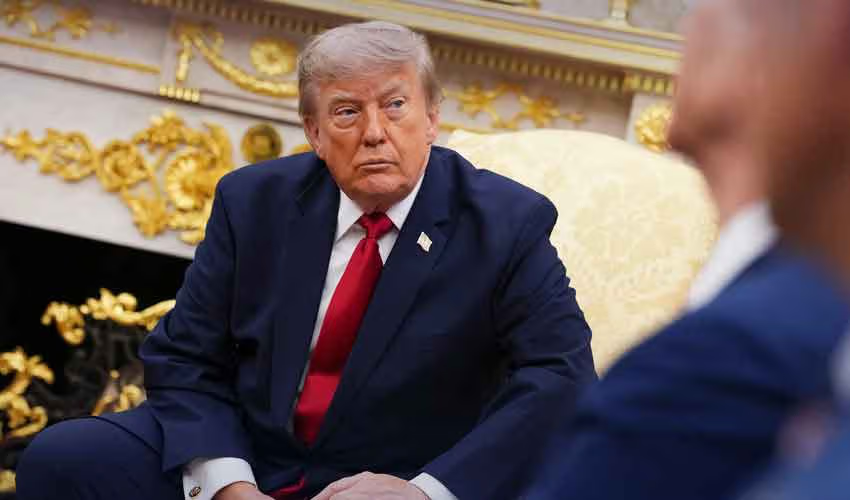
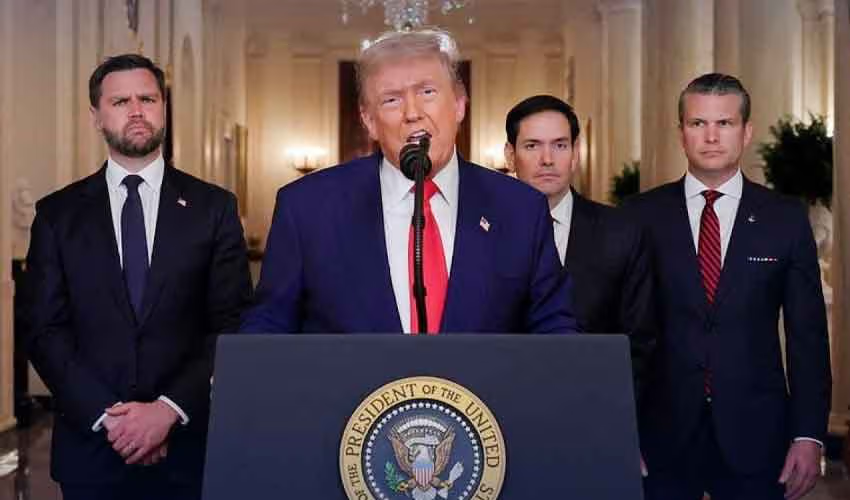
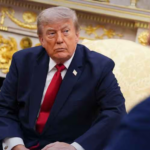
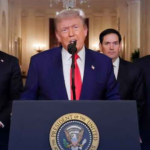
On the U.S. side, President Donald Trump responded positively during the opening of the meeting, calling it an honor to meet Xi Jinping.
Trump said both leaders had previously resolved major disagreements through direct communication and praised Xi as a “great leader,” expressing optimism that relations could improve significantly.
“We’ve worked through difficulties before, and we can do it again,” Trump said, signaling a cooperative tone at the start of the summit.
He also brought senior business leaders to the talks, describing them as among “the best in the world,” highlighting the economic dimension of the visit.
Trade Mechanism Under Discussion
Reports suggest that both countries are exploring a managed trade framework covering select non-sensitive goods, potentially worth around $30 billion in tariff reductions on both sides.
The proposed mechanism would aim to ease trade tensions while avoiding sensitive national security sectors such as advanced technology and defense-related industries.
While the idea remains under discussion, officials indicate it could serve as a foundation for broader economic cooperation if successful.
US–China Relations at a Critical Turning Point
Despite years of trade disputes, tariffs, and strategic rivalry, recent developments suggest both Washington and Beijing are exploring cautious steps toward stabilizing economic relations.
Key areas of ongoing tension include:
- Tariffs and trade imbalances
- Technology restrictions and export controls
- Strategic competition in Asia-Pacific
- Global energy and supply chain security
However, the latest summit signals that both sides recognize the need for structured engagement to prevent escalation.
Diplomatic Signals Point to Controlled Engagement
While major differences remain unresolved, the tone of the meeting reflects a mutual interest in avoiding direct confrontation and maintaining economic interdependence.
Analysts say the summit represents a shift toward “managed competition,” where rivalry continues but within defined diplomatic and economic boundaries.
The outcome of the talks is expected to influence global markets, particularly in trade, technology, and energy sectors.