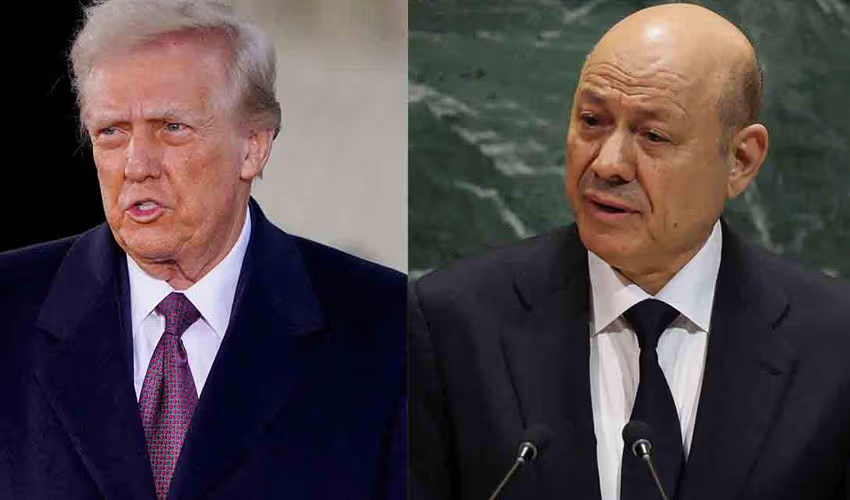
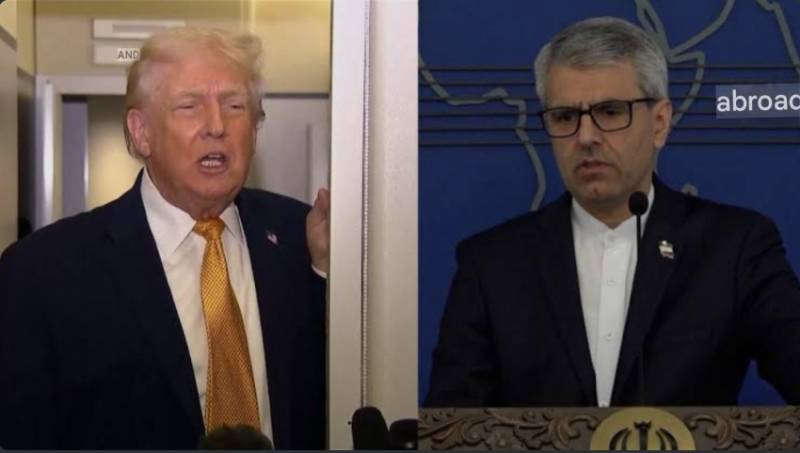
Iran has responded sharply to US President Donald Trump’s latest comments about negotiations with Tehran, with Iranian Foreign Ministry spokesperson Esmaeil Baqaei saying Iranians have demonstrated that they are “professional chess players” amid the continuing standoff over the Strait of Hormuz.
Baqaei made the remarks on Monday as tensions between Washington and Tehran remained high and diplomatic efforts focused on conditions for reopening the strategically important waterway.
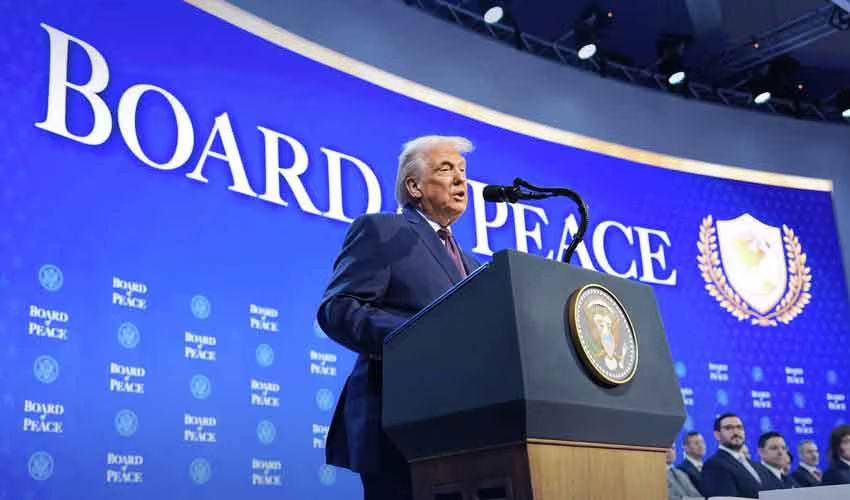
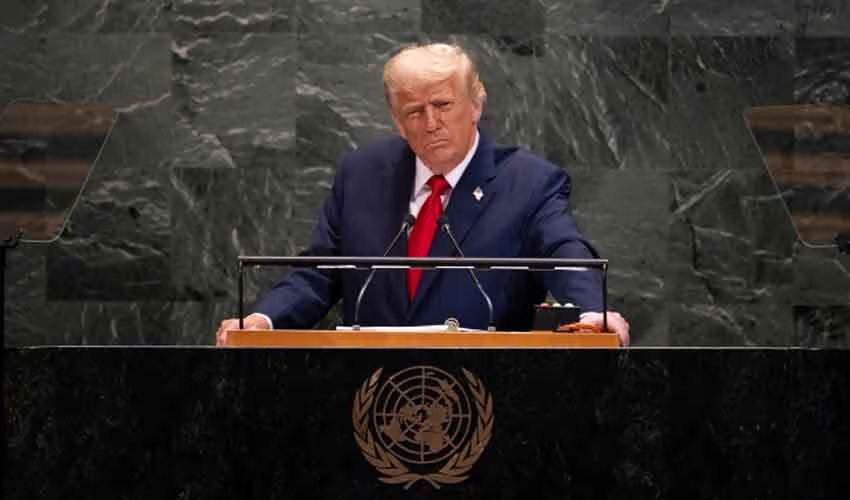
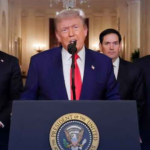
The exchange came after Trump compared his approach to Iran with a chess game, suggesting that Washington was allowing economic pressure to build rather than immediately pursuing additional military action.
Trump was quoted by Axios as saying the United States was “low-keying it” with Iran and was only “semi-negotiating” while monitoring the country’s worsening economic situation.
“It will work out. It always works out. It’s like a chess game,” Trump said, according to the report.
Iran Responds to Trump’s Chess Comparison
Baqaei appeared to turn Trump’s own comparison back on Washington during his weekly press conference.
“Lights out or lights on, Iranians showed they are professional chess players,” the Iranian spokesperson said.
The comment reflects Tehran’s broader position that Iran is prepared to negotiate but will not agree to reopen the Strait of Hormuz without addressing what it considers fundamental security and economic demands.
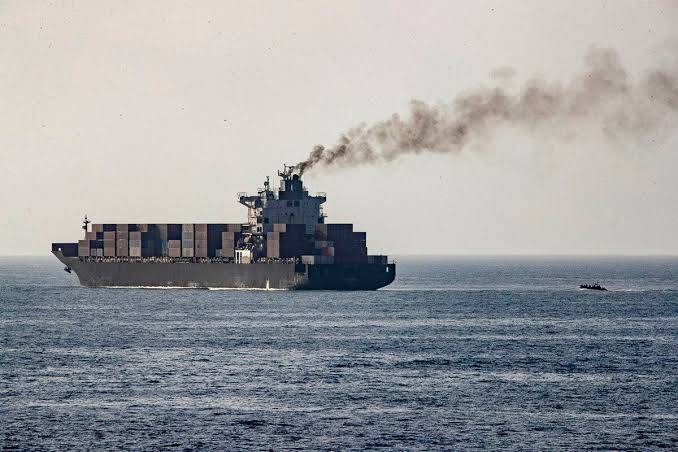
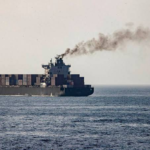
The strategic waterway has remained largely closed since the beginning of the Middle East conflict in late February, creating concerns over international shipping and global energy supplies.
Tehran Sets Conditions for Reopening Strait of Hormuz
Iranian officials have presented a list of conditions that they say must be addressed before the Strait of Hormuz can be considered safe for commercial navigation.
Mohammad Bagher Zolghadr, an Iranian official, outlined Tehran’s demands over the weekend. According to Iranian media reports, the conditions include an end to what Tehran describes as US military aggression against Iran and its regional allies.
Iran has also demanded an end to the US counterblockade targeting Iranian ports, the removal of economic sanctions, the release of frozen Iranian assets and compensation for damage caused during the conflict.
The demands cover several interconnected issues, meaning that reopening the waterway could depend on progress in broader negotiations between Iran and the United States.
Iran Rejects US Naval Blockade
Baqaei reiterated on Monday that Tehran does not consider the Strait of Hormuz safe for international shipping while the US naval blockade remains in place.
“As long as the US naval blockade continues,” Baqaei said, and while other US actions that Tehran considers violations remain in place, the necessary conditions for declaring the Strait of Hormuz a safe waterway will not exist.
The statement highlights one of the biggest obstacles facing diplomatic efforts to restore normal shipping through the passage.
The Strait of Hormuz is a critical route for global energy supplies, making the dispute closely watched by oil markets, shipping companies and governments around the world.
Trump Relies on Economic Pressure
Trump’s latest comments suggest that Washington may be placing greater emphasis on economic pressure as negotiations continue.
The US president pointed to Iran’s high inflation and financial difficulties, arguing that economic conditions could eventually force Tehran to make concessions.
His remarks also appeared to signal a temporary shift away from immediately escalating military action, although Washington continues to maintain significant military capabilities in the region.
For Iran, however, the economic pressure campaign remains closely connected to broader demands involving sanctions, frozen assets, military operations and regional security.
Strait of Hormuz Remains Key to Global Markets
The standoff over the waterway has implications far beyond the United States and Iran.
The Strait of Hormuz is one of the world’s most important energy corridors, and prolonged disruption can affect oil prices, shipping costs, inflation and global supply chains.
A diplomatic agreement allowing commercial vessels to safely pass through the strait could ease pressure on international energy markets. However, the competing demands from Washington and Tehran suggest that a broader settlement may be required before normal shipping fully resumes.
For now, both sides continue to signal that they are prepared to negotiate while maintaining pressure on the other, turning the Strait of Hormuz into a central piece of a much larger geopolitical chess game.