


Yemen’s Saudi-backed government sought US support as Houthi forces expanded their control around a critical Red Sea shipping route
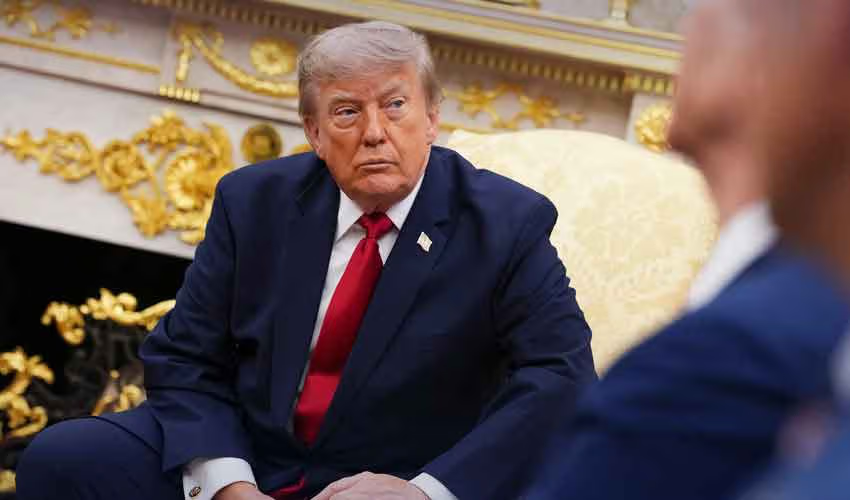
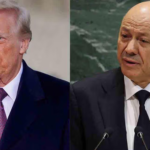
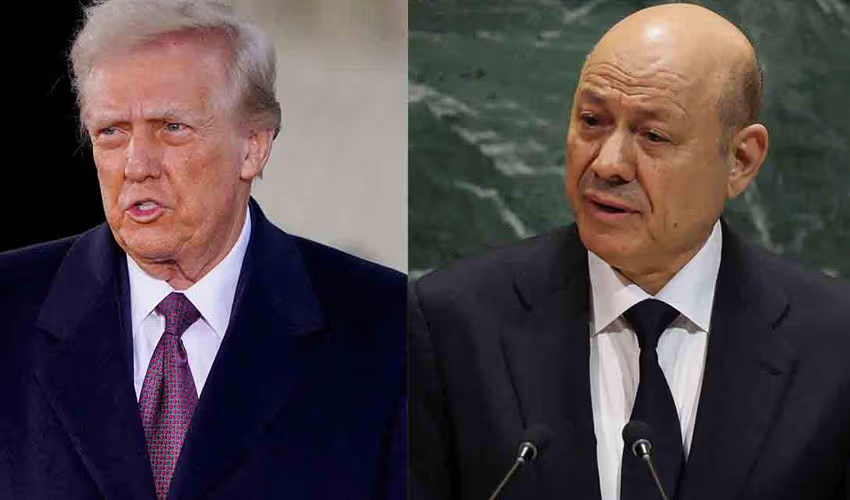
US President Donald Trump did not commit to providing military assistance to Yemen’s internationally recognized government during a recent phone call with President Rashad al-Alimi, despite a request for US support as Iran-backed Houthi forces make new territorial gains.
Four people familiar with the conversation told Reuters that Trump and Alimi spoke Sunday about the Houthi advance around the Bab al-Mandeb Strait, a strategic maritime chokepoint linking the Red Sea with the Gulf of Aden.
Two of the sources, including one Yemeni and one Western official, said Trump made no direct promise of military support during the conversation. The White House and Yemen’s information minister did not immediately comment on the report.
Yemen Seeks Help as Houthis Expand Their Position
The call came as Yemen’s Saudi-backed government faces growing pressure from Houthi forces, which have made significant advances along the country’s Red Sea coast.
The Houthis recently captured the port city of Mokha and an island near the Bab al-Mandeb, according to the Associated Press. The gains have given the group greater control around one of the world’s most important shipping corridors.
Alimi reportedly asked Trump to support his government against the Houthis as the fighting intensified.
However, according to the Reuters sources, the conversation stopped short of producing a US military commitment.
The development is significant because Washington has previously carried out military operations against the Houthis but has more recently avoided becoming directly involved in the renewed Yemen fighting.
Trump Has Also Held Back From Saudi Requests
The call with Alimi followed reported requests from Saudi Arabia for greater US involvement.
Reuters reported that Saudi Crown Prince Mohammed bin Salman had urged Trump to support military action against the Houthis, but Washington has so far resisted those requests. A separate Reuters report said Trump reportedly called off planned US airstrikes against Houthi positions at the last minute despite Saudi appeals.
The reported decision reflects the wider dilemma facing Washington as the Yemen conflict becomes increasingly connected to the broader war involving Iran.
The United States has already maintained substantial military forces in the Middle East because of the Iran conflict, but direct intervention against the Houthis could further expand the number of active fronts.
Bab al-Mandeb Becomes a Major Security Concern
The Houthi advance has raised concerns about the future of commercial shipping through the Bab al-Mandeb Strait.
The waterway provides a maritime connection between the Red Sea and Gulf of Aden and is an important route for ships traveling between the Indian Ocean and the Mediterranean through the Suez Canal.
Recent territorial gains have increased concerns over the security of vessels using the route. AP reported that Houthi control of areas around the strait could allow the group to put additional pressure on shipping and energy routes.
Reuters reported Monday that traffic through the Bab al-Mandeb had also declined, with 51 vessels crossing during the weekend compared with 57 during the previous weekend.
Saudi Oil Exports Face Additional Pressure
The fighting in Yemen is also creating new problems for Saudi Arabia’s oil-export network.
Saudi Arabia has traditionally used Red Sea ports such as Yanbu to move some of its crude to international markets without sending shipments through the Strait of Hormuz.
The Houthi advance around the Bab al-Mandeb has complicated that route.
Reuters reported that no crude loadings from Saudi Arabia’s Yanbu port had been observed since September 16, while Saudi Arabia has increased shipments through the Strait of Hormuz instead.
That shift has added pressure to an already disrupted regional energy system because shipping through Hormuz remains affected by the wider US-Iran conflict.
US Keeps Contact With the Houthis
Despite the escalation, Washington has maintained a channel of communication with the Houthi movement.
A senior Houthi official told AP that the group does not intend to attack American vessels in the Red Sea, except where the vessels are connected to Saudi Arabia. The statement followed Oman-mediated discussions between the United States and the Houthis.
The United States has previously launched strikes against Houthi targets, but the current administration has maintained a different approach since a ceasefire ended American airstrikes in 2025.
That history could help explain why Washington is weighing its response carefully as Saudi Arabia and Yemen’s government request additional assistance.
Fighting Intensifies Across Yemen
The Houthi advance has not been limited to the immediate area around the Bab al-Mandeb.
Reuters reported that Houthi forces were pushing toward strategic highland areas in Taiz and Lahij provinces in an effort to strengthen their positions and separate the Red Sea coast from territory held by Saudi-backed forces.
The renewed fighting has also caused significant displacement.
Reuters reported that nearly 700 people had been killed and thousands injured in the latest escalation, while more than 130,000 Yemenis had been displaced inside the country and more than 3,000 had crossed the Red Sea into Africa.
The developments add another humanitarian dimension to a conflict that has already lasted for more than a decade.
Trump Faces Broader Middle East Pressure
The Yemen situation comes as Trump continues to manage the wider US-Iran conflict and its impact on Gulf allies.
The administration is simultaneously dealing with disruptions to shipping through the Strait of Hormuz, pressure on global oil supplies and demands from regional partners for greater US military involvement.
For Saudi Arabia and Yemen’s internationally recognized government, the Houthi expansion around the Bab al-Mandeb presents an immediate security challenge.
For Washington, the question is whether additional military involvement would protect regional partners and shipping routes or further expand a conflict that is already spread across multiple Middle Eastern theaters.
For now, the reported conversation between Trump and Alimi produced no direct US military commitment, leaving Yemen’s government to confront the latest Houthi advances without a publicly announced American intervention.